
Liverpool Turnback Rail Project: Sydney, NSW, Australia
Sydney’s Liverpool Turnback Project, part of the Rail Clearways Program, enhances the city’s rail network capacity and operational reliability, significantly improving passenger experience.
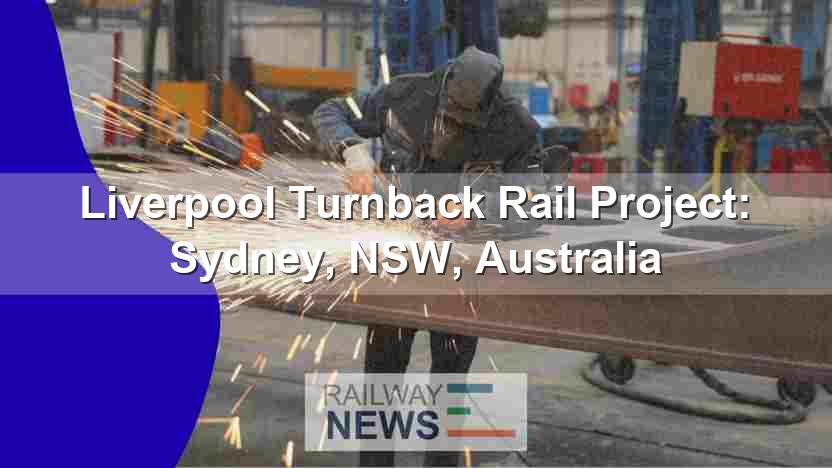
This article focuses into the Liverpool Turnback Project, a crucial component of the Rail Clearways Program in Sydney, Australia. The project aimed to significantly enhance the capacity and operational reliability of Sydney’s metropolitan rail network. With over two million passengers utilizing Sydney’s public transport daily, improvements to the system’s efficiency are paramount. The increasing demand, particularly in the southwest corridor, necessitated a solution to improve train scheduling, reduce delays, and accommodate future growth. This project focuses on the engineering and logistical challenges overcome, the resulting improvements to network performance, and the broader implications for Sydney’s transportation infrastructure. The analysis will explore the project’s impact on passenger capacity, operational efficiency, and overall network resilience. The ultimate goal is to assess the effectiveness of the Liverpool Turnback Project in achieving its stated objectives and to provide insights into the successful implementation of similar large-scale railway infrastructure projects.
Project Overview and Objectives
The Liverpool Turnback Project, a key initiative within the NSW Government’s Rail Clearways Program, addressed capacity constraints and operational inefficiencies on the Sydney rail network. The project specifically aimed to improve the network’s reliability by minimizing the impact of incidents on other lines. The addition of a turnback facility at Liverpool Station allowed for the separation of local and through-running services, reducing delays and enhancing flexibility. This involved constructing new tracks, platforms, and associated infrastructure to enable more efficient train operations, particularly during peak hours. The project’s success hinged on careful planning, community engagement, and precise execution of complex engineering tasks. The resulting increase in capacity and operational resilience contributes directly to improved passenger experience and the overall efficiency of the Sydney rail system. The project addressed the challenges presented by growing ridership and aimed to provide a robust and adaptable rail network for years to come.
Engineering and Construction Challenges
The construction phase involved significant engineering challenges. Laying 1.8km of new track between Liverpool Boys High School and the Shepherd Street viaduct required careful planning and execution to minimize disruption to existing services. The project involved the construction of a new side platform (Platform 4), the extension of existing infrastructure (overhead concourse, footbridge), and the installation of a new lift. Upgrading power, lighting, and communication systems was integral to ensuring the safety and efficiency of the new facility. The construction of two new mainline turnouts (points where the track diverges) and reconfiguration of the stabling facilities required precise coordination and meticulous attention to detail. The project also involved building new walkways, lighting, and cleaning facilities for the stabling yard, as well as a new RailCorp vehicle access road with associated retaining walls. Relocation and modification of existing overhead wiring (OHW) infrastructure was another critical aspect of the project, alongside upgrading the signal panel at Liverpool station to accommodate the new track configuration. Throughout the construction, the existing services had to be carefully protected and maintained to ensure minimal disruption to daily train operations.
Operational Improvements and Capacity Enhancements
The Liverpool Turnback Project has delivered substantial improvements to the operational efficiency of Liverpool Station and the wider Sydney rail network. The new infrastructure allows for increased numbers of terminating trains during peak and off-peak periods, significantly alleviating congestion and reducing delays. The separation of local and through services helps to isolate incidents, preventing widespread disruptions. The improved capacity is particularly beneficial during peak hours when demand is at its highest. The project has provided a more flexible and reliable turnback facility for trains serving the Bankstown, South, Inner West, and Cumberland lines. This increased flexibility allows for better management of timetable adherence and improved response to unexpected delays. This enhanced flexibility improves the responsiveness of the network, optimizing scheduling during periods of high demand, and reducing the knock-on effects of unforeseen events. The independent operation of the stabling facilities from main line services reduces congestion and improves operational efficiency further.
Future Implications and Sustainability
The Liverpool Turnback Project not only addresses current challenges but also provides a foundation for future growth in the southwest corridor. The increased capacity is designed to accommodate projected population growth and the consequent increase in demand for train services. The project’s design incorporates elements of sustainability, though specific details are not readily available in the provided text. Future expansion plans could involve further infrastructure upgrades in the surrounding areas. The success of this project serves as a model for other rail infrastructure projects, demonstrating the importance of thorough planning, community consultation, and the integration of advanced engineering solutions. By anticipating future needs and implementing strategic improvements, the project enhances the long-term resilience and sustainability of Sydney’s rail network.
| Project Parameter | Value |
|---|---|
| Project Name | Liverpool Turnback Project |
| Project Type | Rail Infrastructure Upgrade |
| Lines Served | Bankstown, South, Inner West, Cumberland Lines (Freight and Country passenger services also use the station) |
| New Track Length | 1.8 km |
| New Platform Added | Platform 4 |
| Key Improvements | New turnouts, upgraded signaling, OHW (Overhead Wiring) upgrades, improved stabling facilities, new walkways, improved access roads, upgraded power, lighting and communications systems. |
Conclusions
The Liverpool Turnback Project stands as a successful example of strategic rail infrastructure development. Its impact extends beyond the immediate improvements to Liverpool Station. The project’s success stems from its detailed approach, encompassing meticulous planning, community engagement, and overcoming significant engineering challenges. The enhanced capacity and operational efficiency directly benefit commuters through reduced travel times, improved reliability, and enhanced resilience in the face of disruptions. The project’s ability to isolate incidents and minimize their impact on the broader network showcases its strategic importance within the Rail Clearways Program. The project’s positive impact on passenger capacity, operational flexibility, and overall network resilience is demonstrably significant. The successful completion of this project reinforces the value of proactive investment in rail infrastructure to meet the growing demands of a dynamic urban environment. The planning and execution serve as a valuable case study for future rail infrastructure projects, emphasizing the need for detailed analysis, effective project management, and community consultation to achieve optimal outcomes. The long-term benefits of improved service reliability, increased passenger capacity, and enhanced network resilience will continue to positively impact Sydney’s transportation system for years to come. Future expansion and improvements can build upon this foundation, creating a more efficient and sustainable rail network for the region.
Company Information
Transport NSW: The main public transport agency of the NSW Government, responsible for transport policy, planning, coordination, infrastructure delivery, and asset management.
RailCorp: (Now part of Sydney Trains) The operator of Sydney’s suburban train network.

Transport and railway industry editor covering global rail infrastructure, sustainable mobility, urban transit systems and next-generation railway technologies with a focus on accessible and industry-focused reporting.
RELATED POSTS
October 1, 2026 10:14 am
HS2 installed a 55-metre steel span in Birmingham, completing phase...
October 1, 2026 8:12 am
Knorr-Bremse expanded its UK rail adhesion trial on Chiltern Railways...

October 1, 2026 9:10 am
Transpennine Route Upgrade launched a £270,000 fund on 28 September,...
October 1, 2026 8:13 pm
Permanent Way Institution confirmed its rebrand to RailEI starting in...
October 4, 2026 4:09 pm
WSP expanded its UK infrastructure advocacy by joining the High...