
Sunset Tunnel Trackway Improvement Project: San Francisco, Muni Metro
San Francisco’s Muni Metro N Judah line Sunset Tunnel received a $16 million upgrade, improving trackways, safety, and accessibility. Railway sector news: This project showcases successful urban rail modernization.
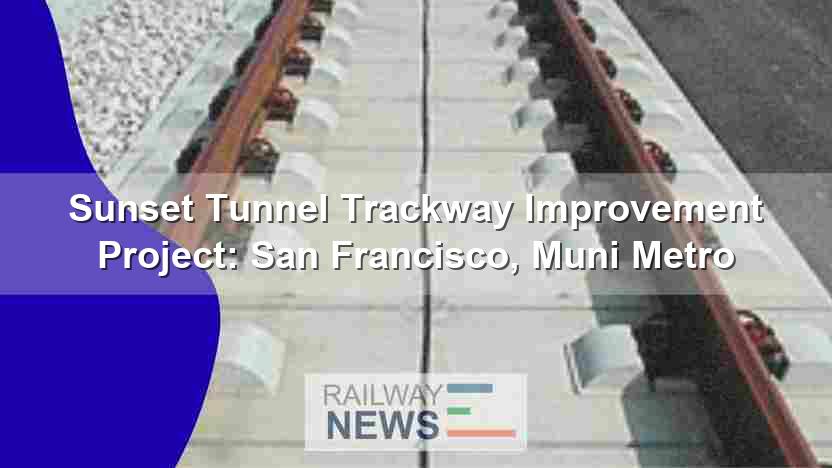
This article presents a detailed analysis of the Sunset Tunnel Trackway Improvement Project, focusing on its scope, execution, and impact on the San Francisco Municipal Transportation Agency (SFMTA)’s Muni Metro system. The project aimed to revitalize a critical section of the N Judah line, enhancing safety, reliability, accessibility, and overall passenger experience. The project’s success hinges on effective planning, coordination between various stakeholders, and the adoption of advanced engineering techniques to address aging infrastructure while minimizing disruption to daily operations. This analysis explores the key project phases, technological advancements implemented, and the broader implications for urban rail infrastructure modernization. The ultimate goal is to provide valuable insights into best practices for similar projects worldwide, highlighting the challenges and triumphs inherent in upgrading aging transportation networks within densely populated urban environments.
Project Overview
The Sunset Tunnel Trackway Improvement Project encompassed a detailed overhaul of the N Judah Metro line segment traversing the Sunset Tunnel, located between Cole Valley and Duboce Triangle in San Francisco. The project’s primary objective was to replace aging track infrastructure, improve accessibility, and enhance operational efficiency. This involved not only the replacement of rails, ties, and ballast within the tunnel itself but also significant upgrades to the overhead contact system (OCS), the implementation of transit signal priority (TSP) systems at key intersections, and the construction of new Americans with Disabilities Act (ADA)-compliant platforms.
Infrastructure Upgrades and Technological Advancements
Beyond the track replacement, the project incorporated several technological advancements to improve safety and reliability. The complete overhaul of the OCS enhanced power distribution and reduced the risk of electrical failures. The implementation of TSP at nine intersections prioritized Muni Metro vehicles, reducing delays and improving overall journey times. This involved installing conduits and other infrastructure along major streets. Further, the project incorporated critical safety upgrades, including the installation of updated fire safety systems, refurbishment of fire water valves, and significant seismic retrofits, including strengthening tunnel portal retaining walls and foundations. These measures addressed long-standing infrastructural weaknesses and prepared the line for future seismic activity.
Construction Management and Mitigation Strategies
The project demonstrated a commitment to minimizing disruption to the approximately 48,000 daily passengers relying on the N Judah line. Construction was strategically scheduled for weekends to avoid significant interference with weekday commuter services. Noise mitigation measures were implemented to keep decibel levels below 100 dBA during construction, demonstrating a proactive approach to addressing community concerns. The project adhered strictly to all relevant building codes, including California Building Code and Bay Area Rapid Transit (BART) earthquake safety design standards, ensuring long-term safety and durability of the upgraded infrastructure.
Project Funding and Stakeholder Collaboration
The $16 million project was jointly funded by the US Federal Transit Administration (FTA) and SFMTA revenue bonds, illustrating a successful partnership between federal and local entities. The effective collaboration between various stakeholders, including the SFMTA, contractors (Proven Management and Maloney Construction), inspectors (Anil Verma Associates), and the community, was instrumental in the project’s timely and successful completion. Open communication and proactive mitigation strategies played a significant role in navigating the challenges associated with a large-scale urban rail infrastructure project. Early seismic assessments by Anil Verma Associates, which identified the need for retaining wall improvements, allowed for the integration of crucial safety measures into the overall project design.
Project Summary
| Project Parameter | Details |
|---|---|
| Project Name | Sunset Tunnel Trackway Improvement Project |
| Project Location | Sunset Tunnel, N Judah Metro Line, San Francisco |
| Project Type | Trackway Improvement, Platform Construction, Signal Upgrades, Seismic Retrofits |
| Cities Connected | San Francisco (Cole Valley to Duboce Triangle) |
| Number of Stations with Platform Upgrades | 2 (Judah Street and 28th Avenue) |
| Number of Intersections with TSP Upgrades | 9 |
| Project Budget | $16 million (USD) |
| Project Completion Date | February 2016 (anticipated) |
| Major Contractors | Proven Management, Maloney Construction |
| Funding Sources | US Federal Transit Administration (FTA), SFMTA Revenue Bonds |
Conclusions
The Sunset Tunnel Trackway Improvement Project stands as a successful example of detailed urban rail infrastructure rehabilitation. The project’s success can be attributed to meticulous planning, effective stakeholder collaboration, and the strategic implementation of technological upgrades. The systematic replacement of aging track infrastructure, the enhancement of accessibility with new ADA-compliant platforms, and the integration of advanced safety features like TSP and seismic retrofits have significantly improved the safety, reliability, and efficiency of the N Judah line. The project’s adherence to strict safety standards and noise mitigation measures demonstrated a commitment to community well-being, minimizing disruptions during construction. The successful completion of this project offers valuable lessons for future urban rail modernization efforts, emphasizing the importance of proactive planning, meticulous execution, and a strong focus on community engagement. The strategic partnership between federal and local funding sources also highlights the potential of collaborative initiatives in tackling large-scale infrastructure challenges.
The project’s timely completion, achieved through effective project management and weekend-only construction, showcases a thoughtful approach to minimizing disruption to daily commuters. The incorporation of seismic upgrades and adherence to rigorous safety standards ensure the long-term resilience and durability of the upgraded infrastructure. The achievement of the project’s objectives underscores the critical role of advanced engineering, careful planning, and effective collaboration among various stakeholders in successful urban rail infrastructure modernization. The project’s impact extends beyond immediate improvements, shaping future approaches to infrastructure upgrades in dense urban environments. By showcasing efficient construction practices, commitment to safety, and community engagement, the Sunset Tunnel Trackway Improvement Project sets a high standard for future projects of this scale.
Company Information:
- SFMTA (San Francisco Municipal Transportation Agency): The public agency responsible for managing and operating San Francisco’s public transportation system.
- US Federal Transit Administration (FTA): The federal agency responsible for funding and overseeing public transportation projects in the United States.
- Proven Management: A US-based construction company awarded the main contract for the project.
- Maloney Construction: A subcontractor involved in the project.
- Anil Verma Associates: A consulting firm that conducted inspections and provided recommendations for the project.

Railway infrastructure, rolling stock and transport technologies specialist focused on global rail industry developments, high-speed rail systems, signaling technologies and freight transportation. Covering railway investments, public transport modernization, rail operations and international mobility projects across Europe, Asia and North America.