
Melbourne Metro Tunnel: Full-Day Rail Testing: Future of Transport
Melbourne Metro Tunnel undergoes full-day testing on June 21st, a critical step toward operational readiness. Passengers will experience service alterations.
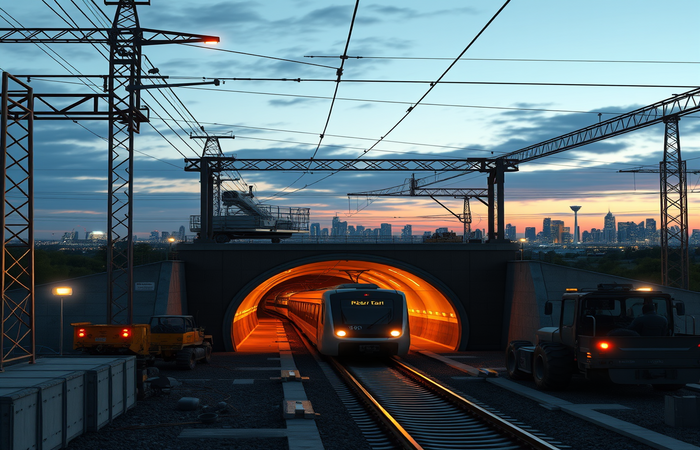
Melbourne Metro Tunnel Set for Major Testing: Full-Day Trial Run Scheduled
Melbourne’s eagerly anticipated Metro Tunnel project is entering a critical phase. On Saturday, June 21st, test trains will undertake the first full practice run through the completed tunnel, traversing the route from East Packenham to Sunbury. This full-day exercise marks a significant step towards the tunnel’s operational readiness. The trials, conducted on a weekday service frequency, will necessitate altered travel arrangements for passengers on the Cranbourne, Packenham, and Sunbury lines, requiring them to change at Caulfield or Footscray. The primary objective is to rigorously test the new tunnel’s complex systems and infrastructure under real-world operational demands, ensuring seamless integration into the existing metropolitan rail network. This article explores the details of these crucial tests, examining their significance and the implications for Melbourne’s public transport future.
Real-World Testing: A Day in the Life
The detailed testing regime planned for June 21st represents a crucial step. The test trains, operating at a weekday service frequency, will navigate the entire Metro Tunnel route. This involves running trains through the tunnel without carrying passengers to allow for unrestricted testing. This includes testing of the signalling systems, power supply, and train control systems. Passengers travelling on the Cranbourne, Packenham, and Sunbury lines will need to disembark at Caulfield or Footscray and transfer to Werribee line services to continue their journey. This interruption is crucial for enabling the rigorous testing of the new tunnel infrastructure, ensuring its seamless integration with the existing rail network.
System Synchronization: The Core of the Trials
Network operations expert Shannon Rollinson highlights the complexity of integrating the new Metro Tunnel into the existing network. “Lots of people ask, why do you need to do this? You can’t just flick a switch and all of a sudden the timetable is done,” Rollinson explained. This full-day testing is designed to validate all the modelling and simulations performed. The tests will scrutinize how the new paths within the Metro Tunnel will interact with other services, including existing V/Line routes and freight trains. This involves ensuring the new infrastructure does not disrupt any of the other existing services. The objective is to synchronize the various systems involved, confirming their reliable performance and ensuring the smooth operation of the entire metropolitan rail system.
Detailed Modelling: The Foundation of Success
The pre-trial preparation has been extensive, relying heavily on detailed modelling and simulations. Rollinson emphasizes the intensity and precision that has gone into the planning phase. This has been paramount in ensuring safe and efficient operations. “What we’re doing on the 21st is just ensuring that all of those parts are synchronised and work the way we need them to work.” The testing will confirm the accuracy of the network planning and validate the integration of new systems within the greater metro network. By mimicking daily operational demands, these trials will allow operators to identify and rectify any potential issues before the tunnel opens to the public.
Conclusion
The full-day trial run on June 21st is a pivotal moment for the Melbourne Metro Tunnel project. These exercises are essential to the success of the project, validating the integrity of the new infrastructure and its integration with the existing rail network. The real-world testing will refine the operational readiness and identify and resolve any system issues, guaranteeing a smoother, safer, and more efficient passenger experience. These preparations also provide crucial data for refining timetables and optimizing service delivery. As Melbourne’s population grows, the Metro Tunnel will be a critical piece of infrastructure, improving the city’s public transport capacity. The successful outcome of these trials is crucial not only for the efficient operation of the tunnel but also for enhancing the overall rail network resilience and future expansion capabilities. These initial tests are important for the project’s successful implementation and the city’s transportation future.

Railway infrastructure, rolling stock and transport technologies specialist focused on global rail industry developments, high-speed rail systems, signaling technologies and freight transportation. Covering railway investments, public transport modernization, rail operations and international mobility projects across Europe, Asia and North America.
RELATED POSTS
October 1, 2026 10:14 am
HS2 installed a 55-metre steel span in Birmingham, completing phase...
October 1, 2026 9:10 am
Transpennine Route Upgrade launched a £270,000 fund on 28 September,...
October 1, 2026 11:13 am
Norfolk Southern expanded its 3B Corridor in Alabama in 2025,...
October 1, 2026 1:12 pm
CSX expanded Queensgate Yard in Cincinnati by installing 42 power...

October 1, 2026 11:14 pm
CATS confirmed a six-mile streetcar route in Charlotte to add...
October 2, 2026 12:12 am
Maywood Station Museum confirmed the completed cosmetic restoration of its...