
Railway Industry: Acquisitions, Contracts & Tech Advancements
Railway innovation is accelerating! Major acquisitions and contracts are transforming rail, driving digitalization and boosting passenger experience. Discover how!
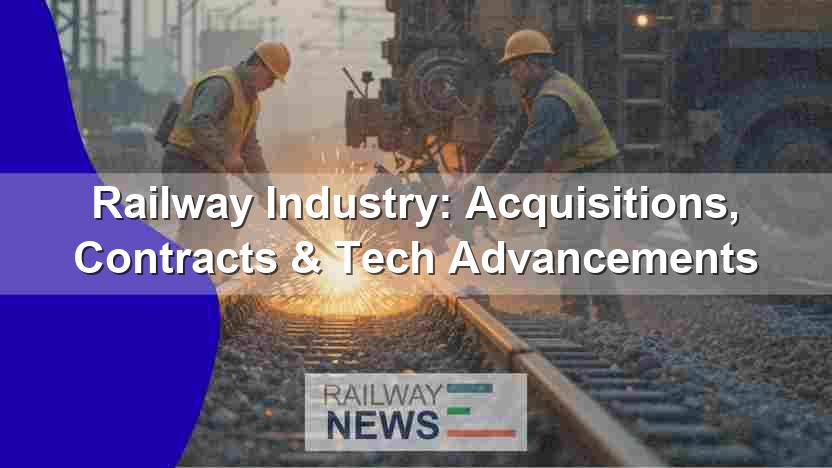
The railway industry is a dynamic sector constantly evolving through technological innovation, strategic mergers and acquisitions (M&A), and significant infrastructure projects. This article examines several key developments that highlight the current trends shaping the future of rail transportation. We will explore recent M&A activity, focusing on the strategic implications for involved companies and the broader industry. Additionally, we will delve into substantial contract awards, analyzing their impact on rolling stock modernization and technological integration. Finally, we will discuss how these events reflect the wider shift towards digitalization, sustainability, and enhanced passenger experience within the global railway sector. The analysis will demonstrate how these individual transactions collectively contribute to a larger narrative of growth, innovation, and a heightened focus on operational efficiency and safety within the industry.
Porterbrook’s Contract with Rail Operations Group (ROG)
Porterbrook, a leading rolling stock leasing company, secured a contract with ROG (Rail Operations Group) for the supply of two bi-mode FLEX trains. This agreement reflects ROG’s strategic shift towards rail-based postal and express parcel services. The bi-mode capability (the ability to operate on both electrified and non-electrified lines) is crucial for efficient logistics, ensuring rapid delivery across diverse rail networks. The modernization of existing FLEX trains for this specific application underscores the adaptability of rolling stock and the growing demand for efficient freight transportation solutions. The contract showcases the vital role of leasing companies in providing adaptable rolling stock solutions to meet the evolving needs of the rail freight sector.
Vossloh’s Acquisition of Strabag Rail’s Rail Milling Business
Vossloh, a major player in the railway infrastructure sector, acquired Strabag Rail’s rail milling business. This acquisition significantly bolsters Vossloh’s Lifecycle Solutions segment, integrating Strabag’s four milling machines and 30 employees into its Berlin-based subsidiary, Alpha Rail Team. This strategic move expands Vossloh’s service offerings in track maintenance and modernization. The acquisition demonstrates the increasing consolidation within the railway infrastructure market, allowing companies to offer more detailed solutions and enhance their market share. The integration will likely lead to operational synergies and improved efficiency in delivering track maintenance services across various networks.
Sphera’s Acquisition of Petrotechnics
Sphera, a global Integrated Risk Management (IRM) software provider, acquired Petrotechnics, a UK-based company specializing in software and services for hazardous industries. This acquisition signifies the growing importance of digitalization and risk management within the railway sector. Petrotechnics’ expertise in real-time data analysis and risk prediction aligns perfectly with Sphera’s broader focus on delivering detailed IRM solutions. The integration of these capabilities will likely enhance safety protocols and operational efficiency across various railway applications. This merger emphasizes the increasing use of technology to improve safety, manage risks, and optimize operational procedures.
Bombardier Transportation’s Contract with New Jersey Transit (NJ Transit)
Bombardier Transportation received a substantial contract from NJ Transit for the supply of 113 Multilevel III passenger rail cars, with an option for up to 886 additional cars. This contract showcases a significant investment in modernizing passenger rolling stock. The inclusion of features such as colour infotainment screens, USB charging ports, enhanced accessibility features, and a Positive Train Control (PTC) system, highlights the focus on improving passenger comfort, safety, and operational efficiency. The large-scale nature of this order underscores the ongoing demand for modern, comfortable, and technologically advanced passenger rail vehicles in North America.
Conclusions
The aforementioned transactions highlight several key trends within the railway industry. The Porterbrook and ROG deal underscores the growing importance of rail freight and the adaptability of rolling stock to meet evolving logistical needs. Vossloh’s acquisition of Strabag Rail’s milling business exemplifies the consolidation trend in the railway infrastructure sector and the expansion of detailed service offerings. Sphera’s acquisition of Petrotechnics signifies the critical role of digitalization and risk management in enhancing safety and efficiency. Finally, Bombardier’s contract with NJ Transit demonstrates the continuing investment in modernizing passenger rolling stock and the focus on providing passengers with a more comfortable and technologically advanced travel experience. These examples collectively represent a significant shift towards a more technologically advanced, efficient, and passenger-centric railway industry. The increased focus on digitalization, risk management, and the integration of advanced technologies indicates a future where rail transportation will be safer, more efficient, and more sustainable. Further growth and innovation are expected as the industry continues to adapt to meet the evolving demands of both passengers and freight operators.

Railway infrastructure, rolling stock and transport technologies specialist focused on global rail industry developments, high-speed rail systems, signaling technologies and freight transportation. Covering railway investments, public transport modernization, rail operations and international mobility projects across Europe, Asia and North America.
RELATED POSTS
September 6, 2026 5:19 am
Hitachi delivered Taiwan's first N700ST high-speed train from Japan in...

September 5, 2026 4:19 pm
CPK launched formal tender talks with four consortia to design...

September 5, 2026 7:14 pm
HS2 Ltd signed renegotiated civils contracts with EKFB and Align...

September 6, 2026 4:12 am
Alstom delivered the first of 100 new G Class trams...
September 6, 2026 1:17 am
Hitachi Toshiba Supreme Consortium confirmed the first of 12 N700ST...
September 6, 2026 6:17 am
Hungary ordered a national ban on most freight trains from...