
Renfe Secures $100M Solar PPA with Sonnedix for Sustainable Rail
Renfe, Spain’s railway, secures renewable energy deal. Five-year PPA with Sonnedix for solar power. Driving sustainability in Spanish rail.
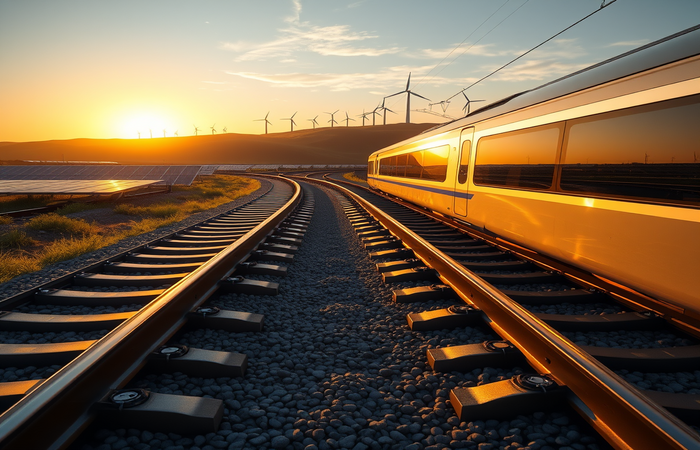
Renfe Secures Renewable Energy Deal, Driving Sustainability in Spanish Rail
Renfe, Spain’s national railway operator, has solidified its commitment to environmental sustainability with a landmark Power Purchase Agreement (PPA). The five-year deal, signed with renewable energy company Sonnedix, will supply 1.45 terawatt-hours (TWh) of solar electricity. This agreement, announced this week, ensures a fixed price for the renewable energy used in Renfe’s passenger transport services, offering a crucial hedge against volatile energy markets and bolstering the railway’s green initiatives. The solar energy will be sourced from Sonnedix’s photovoltaic plants located in Castilla-La Mancha. Why is this important? It underpins Renfe’s strategy to cut its carbon footprint, aligning with Spain’s ambitious climate targets. How did this happen? Sonnedix was selected after a competitive bidding process. This article explores the details of this agreement, examining its implications for Renfe, Sonnedix, and the broader rail industry’s sustainability goals.
Securing a Sustainable Energy Future
The core of this agreement lies in Renfe’s commitment to secure a stable and environmentally friendly energy supply. The PPA with Sonnedix guarantees a fixed price for electricity generated from solar sources, mitigating the impact of fluctuating energy prices. This is particularly crucial for a railway operation, where energy constitutes a significant operational expense. Additionally, by selecting solar energy, Renfe reinforces its dedication to reducing its carbon footprint. This proactive approach is vital, considering the escalating costs of conventional energy sources and the increasing pressure to meet stringent environmental regulations. The transition to renewable energy reflects a broader industry trend of moving towards a cleaner, more sustainable energy landscape. This strategic move supports the railway’s ambitious climate action plans.
The Solar Power Partnership with Sonnedix
Sonnedix’s selection after a competitive process underscores the firm’s strong position within the renewable energy market. The company, with a global presence in ten countries, presented the most favourable bid based on pricing and adherence to sustainability credentials. Sonnedix’s portfolio of over 500 renewable energy facilities, boasting a total capacity exceeding 11.68 gigawatts (GW) worldwide, highlights its expertise in the sector. In Spain alone, Sonnedix manages 1.88 GW of capacity, with 1.03 GW operational, 203 MW under construction, and 656 MW in development. The photovoltaic plants supplying Renfe, namely Covatillas 1, 5, and 6, alongside Portachuelo, are located in Castilla-La Mancha, a region known for its high solar irradiance. This strategic geographical placement ensures optimal energy production and delivery to Renfe’s operational needs.
Environmental Impact and Industry Leadership
The move to renewable energy allows Renfe to improve its environmental performance, already one of the best in Europe. Since 1990, Renfe has reduced its carbon footprint per unit transported by a remarkable 90.4%. The railway’s carbon footprint per journey is significantly lower than that of cars or airplanes, generating 20 to 30 times fewer carbon emissions. This agreement further cements Renfe’s position as a leader in sustainable transport within Spain, exceeding the emission reduction targets set by the country for 2030 as outlined in the Paris Agreement. This leadership helps pave the way for other railway operators to adopt similar green initiatives, encouraging a shift towards cleaner energy sources across the wider rail sector.
Operational and Economic Benefits
The benefits extend beyond environmental gains. The PPA offers economic stability by fixing the price of electricity, which allows Renfe to better manage operational costs. This predictability enables more effective long-term financial planning, which in turn can facilitate investments in other areas, such as infrastructure maintenance, fleet modernization, and service improvements. This stability is especially crucial in the context of unpredictable energy markets and the increasing regulatory pressures to reduce environmental impacts. The PPA further allows Renfe to present a more sustainable image to passengers, increasing its attractiveness in an increasingly environmentally conscious market. By integrating renewable energy sources, Renfe can strengthen its competitive advantage within the transportation sector.
Conclusion
The strategic partnership between Renfe and Sonnedix marks a critical step towards a greener, more sustainable future for Spain’s rail network. The five-year Power Purchase Agreement (PPA) not only secures a cost-effective and environmentally friendly energy source for Renfe’s operations but also strengthens its industry leadership in sustainable transport. The use of solar energy significantly reduces the railway’s carbon footprint, exceeding national environmental targets and setting an example for other operators. The initiative helps promote economic stability and offers strategic advantages in a competitive market. This agreement highlights the growing importance of renewable energy sources in the railway sector, and its successful implementation could inspire similar ventures worldwide, accelerating the rail industry’s move towards carbon neutrality. The long-term implications include increased investor confidence and a strengthened commitment to environmental responsibility across the industry, enhancing the overall sustainability and competitiveness of rail transport.
Company Summary:
Renfe Operadora is the state-owned railway operator in Spain, providing passenger and freight transport services throughout the country. It operates an extensive network that encompasses high-speed (AVE), regional, and commuter rail services. Renfe is also involved in international rail operations and is recognized for its energy-efficient operations, making it a key player in Spain’s public transport sector. The company continuously invests in infrastructure and technology upgrades to improve its services, reduce environmental impact, and offer modern and efficient transport solutions.

Railway infrastructure, rolling stock and transport technologies specialist focused on global rail industry developments, high-speed rail systems, signaling technologies and freight transportation. Covering railway investments, public transport modernization, rail operations and international mobility projects across Europe, Asia and North America.
RELATED POSTS
September 6, 2026 5:19 am
Hitachi delivered Taiwan's first N700ST high-speed train from Japan in...

September 5, 2026 4:19 pm
CPK launched formal tender talks with four consortia to design...

September 6, 2026 4:12 am
Alstom delivered the first of 100 new G Class trams...
September 5, 2026 7:14 pm
HS2 Ltd signed renegotiated civils contracts with EKFB and Align...
September 6, 2026 6:17 am
Hungary ordered a national ban on most freight trains from...
September 6, 2026 1:17 am
Hitachi Toshiba Supreme Consortium confirmed the first of 12 N700ST...