
Birmingham Moor Street Station: A £Multi-Million Transformation
Birmingham Moor Street Station’s massive upgrade: More platforms, better flow, seamless HS2 connection. Discover how!
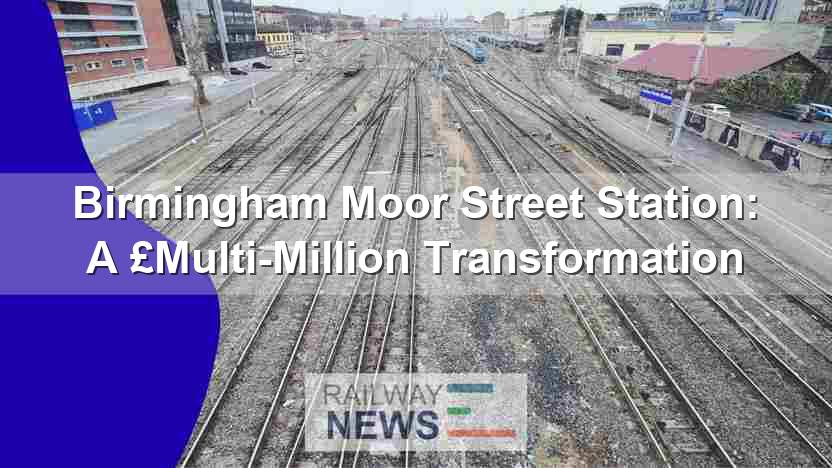
This article explores the ambitious redevelopment plans for Birmingham Moor Street Station (BMS), a crucial hub within the West Midlands rail network. The project aims to significantly enhance passenger experience, increase capacity, and seamlessly integrate the station with other major transport initiatives, most significantly the arrival of High-Speed 2 (HS2) services at Curzon Street station. The projected growth in passenger numbers, from seven million to twelve million annually by 2043, necessitates a substantial upgrade to the existing infrastructure. This transformation is not merely about enlarging the station; it’s about creating a modern, efficient, and accessible transport interchange that will play a vital role in the economic and social development of Birmingham and the wider region. This redevelopment is a multi-stakeholder effort involving the West Midlands Rail Executive, Transport for West Midlands, Midlands Connect, HS2 Ltd, Network Rail, Chiltern Railways, West Midlands Railway, and Birmingham City Council, highlighting the collaborative approach crucial for such large-scale infrastructure projects.
Expanding Capacity and Improving Passenger Flow
The core of the BMS transformation revolves around a substantial increase in capacity. The current concourse area, measuring 910 square meters, is slated for expansion to approximately 2000 square meters. This will significantly improve passenger flow and reduce congestion, especially during peak hours. Crucially, the plans include the addition of two new platforms. This platform expansion is not simply about accommodating increased passenger numbers; it’s also about enabling the operation of more frequent and potentially longer train services, enhancing connectivity within the wider network and supporting future service growth. A new transfer deck, providing access to all platforms, and a connecting footbridge to Curzon Street HS2 station will further streamline passenger journeys, improving accessibility and reducing interchange times. These elements work in concert to ensure a smooth and efficient passenger experience, addressing current limitations and anticipating future demand.
Enhanced Accessibility and Modern Design
Beyond increased capacity, the redevelopment prioritizes enhanced accessibility for all passengers. The design incorporates various improvements to pedestrian access to the station, although the specific details of these are not yet publicly available. The overall design concept, developed by Grimshaw and Glenn Howells Architects, aims to create a modern and welcoming environment. While specifics remain to be detailed, the commitment to improved accessibility aligns with broader national and regional transportation goals, promoting inclusivity for all users regardless of mobility needs. The aesthetic considerations will undoubtedly factor into the final design, creating a station that is not only functional but also aesthetically pleasing, reflecting the importance of the station to the city of Birmingham.
Integration with HS2 and the Wider Network
The BMS transformation is intrinsically linked to the arrival of HS2 at Curzon Street station. The new footbridge directly connecting Moor Street to Curzon Street is a crucial element of the plan, ensuring seamless interchange between these two major hubs. This integration is key to maximizing the benefits of HS2 for the region, providing efficient connections to the national high-speed network. Additionally, the expanded capacity at Moor Street will ensure that the station can handle the increased passenger traffic anticipated from HS2 services. The improved connectivity fosters a more interconnected and efficient regional transport system, supporting economic growth and enhanced accessibility for commuters and visitors.
Conclusion: A Foundation for Future Growth
The redevelopment of Birmingham Moor Street station represents a significant investment in the future of the West Midlands transport network. The proposed expansion, including the enlarged concourse, additional platforms, improved accessibility, and seamless integration with HS2, directly addresses the challenges posed by projected passenger growth. The collaborative effort between various stakeholders signifies a commitment to creating a truly modern and efficient transport hub. This project goes beyond simply increasing capacity; it’s about creating a passenger experience that is both efficient and enjoyable. By addressing current shortcomings and anticipating future needs, this transformation lays the foundation for sustainable growth in the region’s rail network. The improved connectivity and enhanced accessibility will not only benefit commuters but also contribute to the wider economic and social development of Birmingham. The successful implementation of these plans will establish BMS as a key component of a thriving, interconnected, and future-ready transport system for the West Midlands. While further feasibility studies and detailed design work are still required, the initial concepts demonstrate a clear commitment to building a modern, accessible, and efficient station fit for the needs of the 21st century. This redevelopment is more than just a station upgrade; it’s a statement of intent, reflecting the ambition and vision for the future of the West Midlands.

Railway infrastructure, rolling stock and transport technologies specialist focused on global rail industry developments, high-speed rail systems, signaling technologies and freight transportation. Covering railway investments, public transport modernization, rail operations and international mobility projects across Europe, Asia and North America.
RELATED POSTS

October 8, 2026 1:15 pm
Alstom secured a €1bn contract to build 13 automated trains,...

October 1, 2026 7:09 am
United States regulators confirmed a September 30 deadline for the...

October 8, 2026 12:18 pm
Siemens Mobility signed an agreement with VinSpeed to supply 350...

October 4, 2026 5:14 pm
Alstom secured a CA$4.7 billion order from VIA Rail Canada...

October 5, 2026 6:12 pm
AECOM and Jacobs secured a contract in September 2026 to...

October 1, 2026 12:13 am
Illinois approved $1.5 billion annually for the Northern Illinois Transit...