
NSW’s Future Fleet Program: Revitalizing Rail Manufacturing
The Future Fleet Program in New South Wales aims to revitalize domestic rail manufacturing by procuring new train carriages for the aging Tangara fleet, establishing a pipeline of local work and promoting sustainable economic growth within the state.
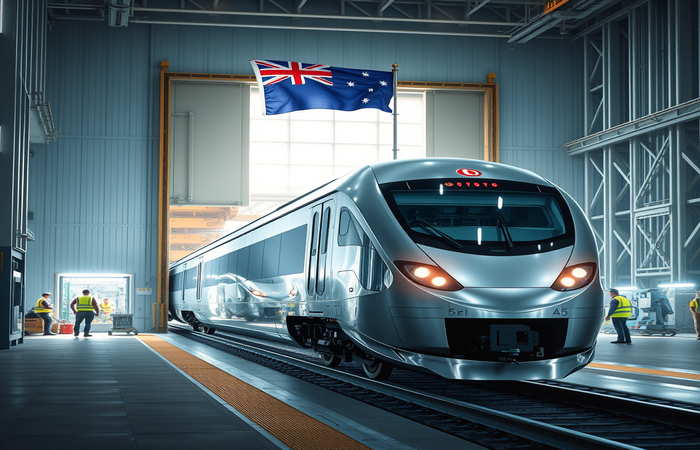
News Article: Revitalizing Rail Manufacturing: New South Wales’ Future Fleet Program
Sydney, Australia – May 20, 2024 – The New South Wales (NSW) government has embarked on an ambitious initiative, the Future Fleet Program, with the goal of breathing new life into domestic train manufacturing. This program signifies a significant commitment to revitalizing the local rail industry, generating employment opportunities, and stimulating economic growth within the state. The program will see the procurement of new train carriages for the aging Tangara fleet by early 2027, representing a critical first step in a long-term strategy extending into the 2050s. This article will delve into the specifics of the program, its objectives, the engagement strategy with industry stakeholders, and the anticipated impact on the rail landscape in NSW. Additionally, the initiative underscores the government’s dedication to fostering a sustainable and thriving rail manufacturing sector, ensuring that future fleets are built locally and contributing to the long-term economic prosperity of the state.
The Future Fleet Program: A Foundation for the Future
The core of the Future Fleet Program lies in the replacement of the existing Tangara fleet, a crucial component of Sydney’s suburban passenger network. This replacement effort alone will necessitate the manufacture of approximately 450 new train carriages. Beyond the immediate need for new rolling stock, the program is designed to establish a consistent pipeline of work for local manufacturers. This long-term vision encompasses the replacement of the Millennium and Oscar fleets by the 2040s and the Waratah fleets by the 2050s, ensuring a sustained demand for locally-built trains. The government has set an ambitious target of 50% local content for the design, construction, and maintenance of the new fleet, which will significantly boost the domestic rail manufacturing industry.
Industry Engagement and Market Analysis
A key element of the Future Fleet Program is a detailed industry engagement strategy. Transport for NSW (TfNSW) initiated a market analysis and engagement campaign on May 19th, 2024. This campaign is designed to gather critical insights from manufacturers and suppliers, identify key considerations, and shape the direction of future engagement. TfNSW is utilizing various channels to communicate with industry stakeholders, including an online survey accessible via the TfNSW Industry Portal and registration with the Industry Capability Network (ICN). The industry survey, which will run until June 6th, 2024, aims to collect valuable data and feedback to inform the program’s development. The NSW Government plans to provide feedback to the industry in August 2025 on how it will implement the survey findings. This proactive approach demonstrates the government’s commitment to collaborative partnerships and ensures that the program aligns with industry capabilities and needs.
Local Manufacturing: Revitalizing Skills and Creating Opportunities
The Future Fleet Program represents a pivotal opportunity to revitalize the domestic rail manufacturing sector. By establishing a long-term pipeline of locally built trains, the government aims to rebuild skills, foster confidence in local manufacturing capabilities, and create new jobs. The program emphasizes the importance of supporting local businesses and fostering a skilled workforce. The government’s commitment to a 50% local content target underscores its dedication to ensuring that the economic benefits of the program are realized within NSW. The involvement of the Industry Capability Network (ICN) will facilitate connections between local businesses and the program, promoting collaboration and innovation.
Looking Ahead: The Future of Rail in New South Wales
The Future Fleet Program marks a significant turning point for the rail industry in New South Wales. The government’s commitment to investing in local manufacturing, fostering industry collaboration, and ensuring a long-term pipeline of work demonstrates a clear vision for the future of rail transport. This initiative not only addresses the immediate need to replace aging rolling stock but also lays the foundation for a sustainable and thriving rail manufacturing sector. The emphasis on local content will create numerous jobs and economic opportunities, boosting the local economy. The program’s engagement with industry stakeholders, through surveys and consultations, demonstrates a commitment to inclusive partnerships and innovation. The replacement of the Tangara fleet is just the first step; the program’s long-term vision extending to the 2050s will ensure that the rail industry remains at the forefront of technology and innovation. The successful implementation of the Future Fleet Program will serve as a model for other regions and countries looking to revitalize their rail manufacturing capabilities and invest in sustainable transport solutions.
Summary of Companies (Hypothetical, based on industry knowledge):
- Downer Rail: A major player in the Australian rail industry, with experience in train manufacturing, maintenance, and related services. They are likely to be a key contender for contracts under the Future Fleet Program.
- Alstom: A global leader in rail transport solutions, Alstom has a significant presence in Australia and could be a potential partner or prime contractor.
- Siemens Mobility: Another global rail technology provider, Siemens Mobility is also involved in various rail projects in Australia.

Railway infrastructure, rolling stock and transport technologies specialist focused on global rail industry developments, high-speed rail systems, signaling technologies and freight transportation. Covering railway investments, public transport modernization, rail operations and international mobility projects across Europe, Asia and North America.
RELATED POSTS

September 6, 2026 5:19 am
Hitachi delivered Taiwan's first N700ST high-speed train from Japan in...

September 5, 2026 4:19 pm
CPK launched formal tender talks with four consortia to design...

September 6, 2026 4:12 am
Alstom delivered the first of 100 new G Class trams...

September 5, 2026 7:14 pm
HS2 Ltd signed renegotiated civils contracts with EKFB and Align...

September 6, 2026 1:17 am
Hitachi Toshiba Supreme Consortium confirmed the first of 12 N700ST...
September 5, 2026 6:17 pm
Universal Signalling won a deal to install its U-Cross system...