
Malmbanan Upgrade: Modernizing Sweden’s Iron Ore Line
Sweden’s Malmbanan upgrade includes track renewal and deployment of the European Rail Traffic Management System (ERTMS), aiming to enhance reliability, capacity, and safety on a vital railway artery in northern Sweden for iron ore transportation.
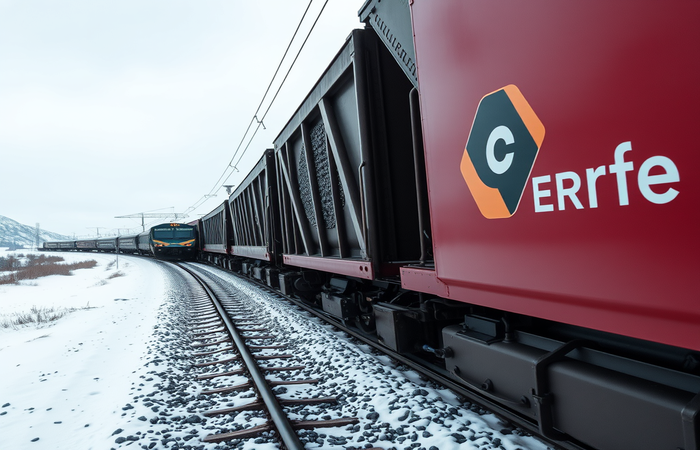
Sweden, 2024 – The Swedish Transport Administration (Trafikverket) is undertaking a significant infrastructure upgrade on the Malmbanan (Iron Ore Line), a vital railway artery in northern Sweden. This detailed project encompasses track renewal and the implementation of the European Rail Traffic Management System (ERTMS) (a unified European signalling system). These improvements aim to enhance the reliability, capacity, and safety of the railway, which is crucial for transporting iron ore and facilitating cross-border freight traffic. This article explores the details of this extensive undertaking, exploring the scope of the track renewal project, the strategic importance of the ERTMS deployment, and the overall benefits these upgrades will bring to the region’s transportation network. The Malmbanan’s strategic importance in the European railway network makes this project of international significance. The project is not only a matter of modernizing infrastructure; it is also about adapting to the current demands of freight transport, which are constantly increasing and changing.
Track Renewal: A Foundation for Reliability
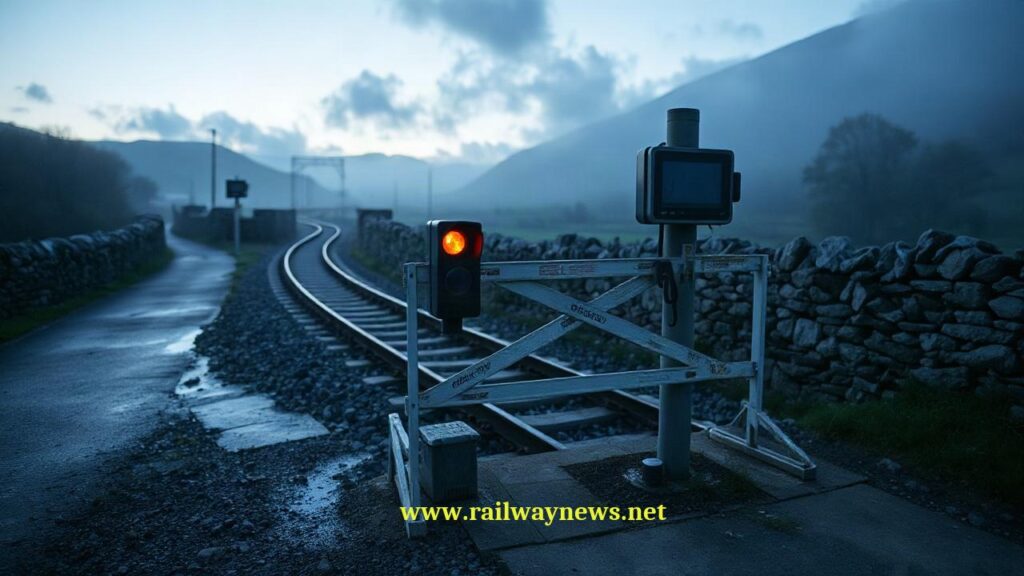
The track renewal project between Gällivare and Kiruna, a 89-kilometer stretch, is a core component of the Malmbanan upgrade. The project involves replacing critical components such as rails, sleepers (ties), and ballast (the crushed stone that supports the track). Trafikverket is employing specialized track renewal and ballast cleaning trains to execute the work efficiently. The first phase, completed the previous summer, upgraded approximately 30 kilometers of track. The second and final phase commenced and, as a result of an accident in 2022, this phase was accelerated to ensure the integrity of the line. The replacement of aging infrastructure is essential for maintaining the structural integrity of the railway, especially considering the heavy axle loads associated with iron ore transport. The upgraded track will allow for an increase in the maximum permitted wagon weight to 30 tonnes, optimizing the efficiency of freight operations. This initiative is vital to guarantee a robust and dependable railway infrastructure. From June to September, there will be service interruptions for eight hours a day on the Gällivare–Råtsi section, to ensure security and to improve line capacity. These interruptions are a temporary measure necessary for the long-term benefits of the project.
ERTMS Implementation: Modernizing Signaling and Control
Alongside track renewal, Trafikverket is implementing the European Rail Traffic Management System (ERTMS) along the Malmbanan. ERTMS is a state-of-the-art signaling system designed to standardize train control across Europe, enhancing safety and increasing line capacity. The Malmbanan project includes the Riksgränsen–Boden route, with branches to Kiruna–Svappavaara and Gällivare–Koskullskulle. Preparatory work began in 2019, and the Riksgränsen–Boden segment was fully equipped with ERTMS by 2024. The Boden–Luleå section is planned for installation in 2029, but funding is still pending. The introduction of ERTMS significantly upgrades the railway’s signaling and control systems, improving safety and allowing for more efficient train operations. The EU’s Connecting Europe Facility (CEF) is co-financing the ERTMS program on the Malmbanan, with a contribution of EUR 44 million, underscoring the project’s importance for cross-border connectivity.
The Significance of the Malmbanan
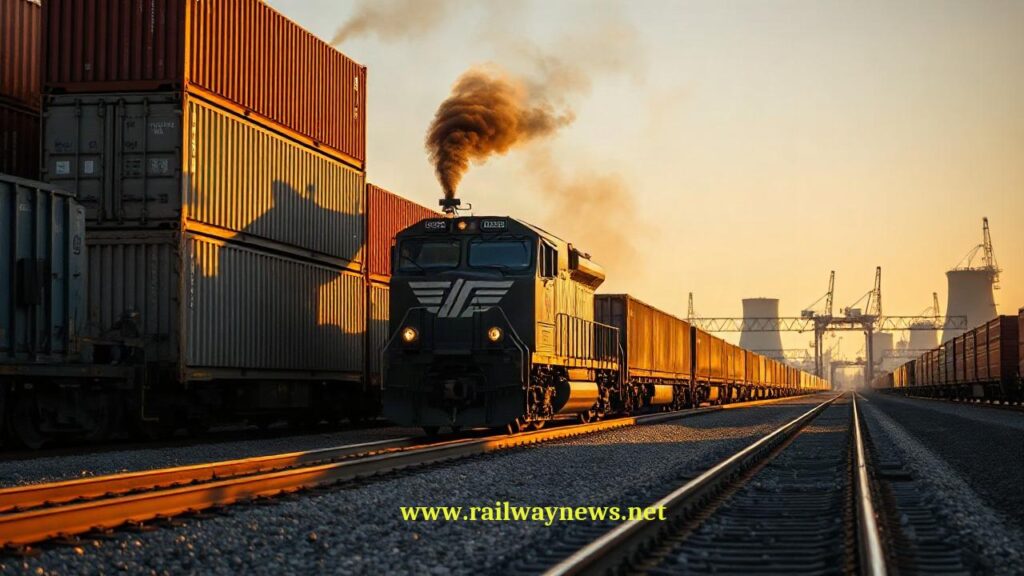
The Malmbanan, also known as the Iron Ore Line, is a strategically important railway connecting Luleå in Sweden to Narvik in Norway. This line is the lifeline for transporting iron ore from the mines in northern Sweden to the port of Narvik, which remains ice-free throughout the year. The line handles large volumes of freight traffic, making it a critical component of the European rail network. The railway line’s operational efficiency and capacity directly influence the competitiveness of the iron ore industry and the broader regional economy. By modernizing the infrastructure, the Swedish Transport Administration is safeguarding the future of this crucial transport route.
Enhancing Cross-Border Freight Transport
The Malmbanan is key to cross-border freight transport, linking Sweden and Norway, and connecting the Port of Narvik to a broader network of railways across Europe. This allows for the efficient transport of iron ore and other goods. The upgrades to the Malmbanan, including track renewal and the implementation of ERTMS, support increased capacity and improved reliability, leading to streamlined freight operations and reduced transit times. By investing in the Malmbanan, Sweden is ensuring the efficient flow of goods across borders, contributing to the economic strength of the region. The use of ERTMS enhances the interoperability of the Malmbanan with other European rail systems, facilitating seamless cross-border transport and supporting the goals of the European Union to build a unified and efficient transport network.
Conclusion
To summarize, the ongoing infrastructure upgrades on the Malmbanan by Trafikverket represent a crucial investment in the region’s transportation infrastructure. The track renewal project, combined with the implementation of ERTMS, are fundamental to increasing the reliability, capacity, and safety of this vital railway line. These improvements not only ensure the efficient transport of iron ore, a cornerstone of the region’s economy, but also support cross-border freight transport, facilitating trade between Sweden and Norway and connecting to a broader European network. The Malmbanan is an essential part of the transportation infrastructure. The modernization of the signaling system enhances interoperability, and reduces traffic times, which provides a positive impact on the environment. The commitment to these improvements reflects a proactive approach to meeting the evolving demands of the freight transport sector. The investments in the Malmbanan demonstrate a strategic vision for a modern, efficient, and sustainable railway network that benefits both regional and international stakeholders. This project will ensure that the Malmbanan continues to serve as a key artery for freight transportation for decades to come.
Short summary about the companies mentioned:
Trafikverket (Swedish Transport Administration): The government agency responsible for planning, building, operating, and maintaining the Swedish state-owned road and railway infrastructure. It is the key player in the Malmbanan upgrade, overseeing track renewal and ERTMS implementation.
Connecting Europe Facility (CEF): An EU funding instrument that supports infrastructure projects in the transport, energy, and digital sectors. It co-finances the ERTMS program on the Malmbanan, highlighting the project’s importance for European connectivity.

Railway infrastructure, rolling stock and transport technologies specialist focused on global rail industry developments, high-speed rail systems, signaling technologies and freight transportation. Covering railway investments, public transport modernization, rail operations and international mobility projects across Europe, Asia and North America.
RELATED POSTS

September 5, 2026 4:19 pm
CPK launched formal tender talks with four consortia to design...
September 6, 2026 6:17 am
Hungary ordered a national ban on most freight trains from...
September 6, 2026 8:17 am
DB InfraGO reopened the Nuremberg-Regensburg line in Bavaria on 31...
September 6, 2026 12:20 pm
Indian Railways ordered a probe after a fire destroyed 2...
September 5, 2026 6:17 pm
Universal Signalling won a deal to install its U-Cross system...
September 7, 2026 8:16 am
Midea, Gree and TCL shipped air conditioners via China Railway...