
Bombardier Layoffs: Crisis in Canadian Rail Manufacturing
Bombardier’s Thunder Bay plant lays off 550 workers (50% of workforce) amid contract fluctuations with Metrolinx & TTC – a case study on vulnerabilities in Canadian rail manufacturing.
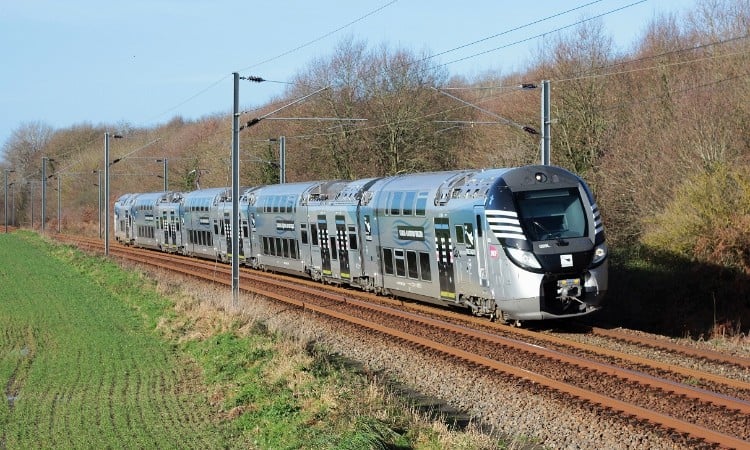
The Canadian railway industry, a cornerstone of the nation’s transportation infrastructure, has faced significant challenges in recent years. This article examines the case of Bombardier’s Thunder Bay plant, focusing on the announced job cuts and their implications for the broader railway manufacturing sector in Canada. We will explore the contributing factors to this downturn, including fluctuating government contracts, changing market demands, and the broader trend of corporate restructuring within the transportation equipment manufacturing industry. The analysis will delve into the economic and social impacts of these job losses on the Thunder Bay community and the potential long-term consequences for the Canadian railway industry’s competitiveness. Additionally, we will consider the role of government intervention in mitigating the effects of these layoffs and supporting the revitalization of the rail car manufacturing sector. Ultimately, this analysis aims to provide a detailed understanding of the complex interplay of factors impacting Bombardier and the future of rail manufacturing in Canada.
The Bombardier Layoffs: A Case Study in Industry Challenges
Bombardier’s decision to lay off 550 employees (approximately 50% of its workforce) at its Thunder Bay plant represents a significant blow to the city and the Canadian railway industry. The plant, previously involved in manufacturing streetcars for the Toronto Transit Commission (TTC) and rail cars for Metrolinx’s GO Transit, has seen a contraction in orders. The reduction in Metrolinx’s order for GO Transit rail cars in 2017, coupled with the completion of the TTC streetcar contract, created a significant void in production volume. This highlights the vulnerability of railway manufacturing to the cyclical nature of government contracts and the risks associated with relying heavily on large, single-client orders. The uncertainty surrounding future contracts adds to the precarious situation for the remaining workforce.
The Impact of Contract Fluctuations
The railway manufacturing sector is highly sensitive to the fluctuations of government contracts. Large transit agencies, such as Metrolinx and the TTC, are major clients, and their procurement decisions directly influence the production volumes and employment levels within manufacturing plants. The reduction in Metrolinx’s order demonstrates the potential for significant job losses when contracts are scaled back or delayed. This instability makes long-term planning difficult for manufacturers, impacting investment in new technologies and worker training. A more predictable and stable contracting environment is crucial for fostering sustained growth and job security within the industry.
Economic and Social Ramifications
The job losses at the Thunder Bay plant extend beyond economic implications, impacting the social fabric of the community. The displacement of 550 workers creates ripple effects throughout the local economy, affecting businesses that rely on the plant’s employees and their spending. The potential for out-migration of skilled workers further depletes the local workforce and undermines long-term economic development. The skills and experience of these displaced railway workers are valuable assets, and efforts must be made to retain them within the Canadian economy, either through retraining initiatives or the attraction of new investment into the region.
Government Intervention and Industry Revitalization
The Ontario government’s response to the layoffs underscores the importance of government intervention in supporting the railway industry. While expressions of disappointment and attempts to encourage Bombardier to retain jobs are positive steps, more concrete measures are needed. This might include:
- Incentivizing new investment in railway manufacturing.
- Providing support for worker retraining and job placement programs.
- Developing a more predictable and stable framework for government procurement of railway equipment.
- Collaborating with industry stakeholders to identify and address long-term challenges facing the sector.
Effective government policy can play a vital role in ensuring the long-term health and competitiveness of the Canadian railway industry.
Conclusions
The Bombardier layoffs in Thunder Bay serve as a stark reminder of the challenges facing the Canadian railway manufacturing sector. The reliance on large government contracts, combined with the cyclical nature of the industry, creates an inherently volatile environment for manufacturers and workers. The 550 job losses not only represent a significant economic blow to Thunder Bay, but also highlight a broader issue of maintaining competitiveness and ensuring stability within the rail sector. The reduction in Metrolinx’s order, although partially offset by potential future orders, underscores the need for greater diversification of clients and a more secure supply chain. This emphasizes the importance of proactive government policies to support the industry, including increased investment in infrastructure projects, worker retraining and job placement initiatives, and the creation of a more predictable procurement system. The future success of the Canadian railway industry depends on addressing the underlying vulnerabilities, mitigating the impacts of contract fluctuations, and fostering a more robust and resilient manufacturing sector. The experience of Bombardier’s Thunder Bay plant serves as a case study, highlighting the need for a collaborative approach between government, industry and labor to secure a sustainable future for railway manufacturing in Canada.

Transport and railway industry editor covering global rail infrastructure, sustainable mobility, urban transit systems and next-generation railway technologies with a focus on accessible and industry-focused reporting.
RELATED POSTS

October 1, 2026 7:09 am
United States regulators confirmed a September 30 deadline for the...

October 8, 2026 1:15 pm
Alstom secured a €1bn contract to build 13 automated trains,...

October 4, 2026 5:14 pm
Alstom secured a CA$4.7 billion order from VIA Rail Canada...
October 1, 2026 10:14 am
HS2 installed a 55-metre steel span in Birmingham, completing phase...

October 4, 2026 11:08 pm
Sound Transit confirmed the September 30 opening of Seattle Pinehurst...

October 5, 2026 6:12 pm
AECOM and Jacobs secured a contract in September 2026 to...