
WA’s $1.6B Rail Deal: Alstom, Jobs & Tech
This article discusses Alstom’s significant contract with Western Australia to supply and maintain 252 new railcars as part of the Metronet expansion program, marking a strategic shift towards local manufacturing and job creation.
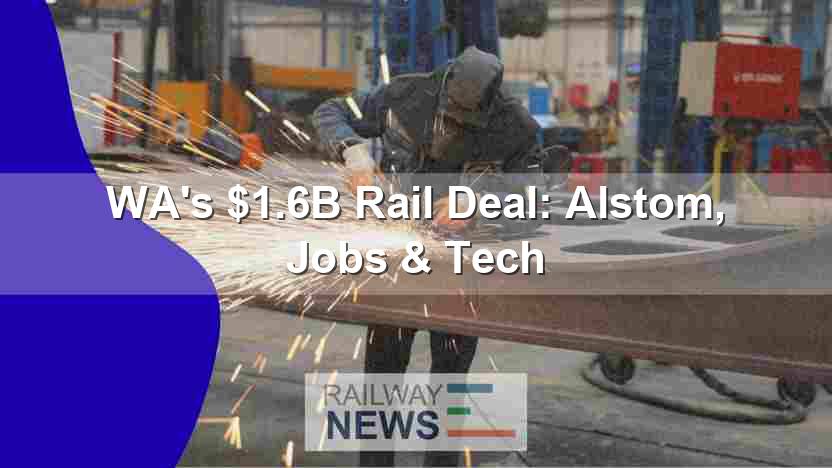
This article examines the significant contract awarded to Alstom by the Government of Western Australia for the supply and maintenance of 252 new railcars as part of the Metronet rail expansion program. The deal, valued at A$1.6 billion (approximately US$1.08 billion), represents a substantial investment in Western Australia’s public transport infrastructure and marks a strategic shift towards local manufacturing and job creation. This analysis will delve into the specifics of the contract, the technological advancements incorporated into the new rolling stock, the economic impact on the state, and the long-term implications for the future of rail transport in Western Australia. We will explore the benefits of this project, including the modernization of the existing fleet, the creation of high-skilled jobs, and the positive ripple effects on the local economy. Additionally, we will consider the challenges involved in such a large-scale undertaking, including the logistics of manufacturing and the importance of effective project management.
Alstom’s Contract and its Scope
Alstom, a prominent French rolling stock manufacturer, secured the contract to supply 252 electric multiple-unit (EMU) railcars. This comprises 246 C-series EMUs and six Diesel Multiple Units (DMUs) to replace the aging Australind service. 102 of the C-series EMUs are specifically designated for the Metronet rail expansion, while the remaining 144 will replace the existing A-series EMUs on the Mandurah and Joondalup lines. The contract also includes a 30-year maintenance agreement, ensuring the long-term operational efficiency of the new fleet. A key component of the agreement is the commitment to manufacture 50% of the railcars in Western Australia, at a new 12,000m² facility near Midland, boosting local employment and economic growth. This demonstrates a clear focus on local content and its importance to the project’s success.
Technological Advancements in the New Railcars
The new C-series EMUs incorporate several modern features designed to enhance passenger comfort and operational efficiency. These include LED lighting for improved energy efficiency and passenger experience, USB charging points for mobile devices, and regenerative braking systems, which capture energy during deceleration and feed it back into the system, reducing energy consumption. Each six-car train boasts a substantial passenger capacity of 1200, addressing the increasing demand for public transport in the region. The introduction of these technologically advanced railcars signals a significant upgrade to the state’s rail infrastructure, improving both the efficiency and attractiveness of rail travel for commuters. This improvement not only provides a more modern and comfortable ride, but also positions Western Australia as having one of the most up-to-date rail systems in the country.
Economic Impact and Job Creation
The A$1.6 billion investment has far-reaching economic consequences for Western Australia. The project is projected to create over 200 direct, long-term jobs in manufacturing and maintenance, along with hundreds of indirect jobs in related industries. The establishment of the new manufacturing facility in Bellevue and the subsequent expansion into a railcar depot and diesel facility are key drivers of this economic growth. Alstom’s commitment to local manufacturing reinforces the government’s initiative to stimulate the Western Australian economy and reduce reliance on overseas suppliers. The long-term maintenance contract will also ensure continued employment opportunities for local workers for several decades. This aspect of the project makes it a sustainable investment into the West Australian economy.
Long-Term Implications and Conclusion
The Alstom contract represents a significant milestone in Western Australia’s commitment to modernizing its public transport network. The introduction of the new, technologically advanced railcars will significantly improve the quality of service for commuters, increasing capacity and providing a more comfortable and efficient travel experience. The emphasis on local manufacturing not only generates substantial employment opportunities but also fosters the development of skilled labor and strengthens the local supply chain. The 30-year maintenance contract ensures long-term operational sustainability and continued economic benefits for the state. Additionally, the project’s success highlights the potential for similar initiatives to drive economic growth and stimulate the development of key industries within Western Australia. This project is a testament to a successful public-private partnership that prioritizes infrastructure investment and responsible economic development. By focusing on local content and job creation while bringing cutting-edge technology to Western Australia’s public transport, this project sets a new standard for large-scale infrastructure development.

Railway infrastructure, rolling stock and transport technologies specialist focused on global rail industry developments, high-speed rail systems, signaling technologies and freight transportation. Covering railway investments, public transport modernization, rail operations and international mobility projects across Europe, Asia and North America.
RELATED POSTS

September 5, 2026 4:19 pm
CPK launched formal tender talks with four consortia to design...

September 5, 2026 7:14 pm
HS2 Ltd signed renegotiated civils contracts with EKFB and Align...

September 6, 2026 4:12 am
Alstom delivered the first of 100 new G Class trams...
September 5, 2026 6:17 pm
Universal Signalling won a deal to install its U-Cross system...
September 6, 2026 8:17 am
DB InfraGO reopened the Nuremberg-Regensburg line in Bavaria on 31...
September 6, 2026 12:20 pm
Indian Railways ordered a probe after a fire destroyed 2...