
France’s LGV Paris-Lyon Upgrade: CBI & ERTMS
The €129.3 million contract awarded to Hitachi Rail STS on the LGV Paris-Lyon high-speed line marks a significant step in enhancing capacity and reliability of France’s busiest high-speed rail corridor by replacing outdated signaling systems with cutting-edge CBI technology, ensuring compatibility with ERTMS for seamless interoperability across borders.

Introduction
This article explores the significant modernization project undertaken by SNCF Réseau (National Society of French Railways Network), the French national railway infrastructure manager, on the LGV Paris-Lyon high-speed line. The €129.3 million contract awarded to Hitachi Rail STS (Signalling, Telecommunications and Systems) marks a crucial step in enhancing the capacity and reliability of one of Europe’s busiest high-speed rail corridors. The project encompasses the replacement of outdated signaling systems with cutting-edge Computer-Based Interlocking (CBI) technology, integrated with the existing Automatic Train Protection (ATP) system. This upgrade not only addresses the limitations of aging infrastructure but also paves the way for increased train frequency, improved operational efficiency, and enhanced passenger experience. The modernization effort extends beyond immediate capacity gains; it signifies a strategic commitment to aligning France’s high-speed rail network with the European Rail Traffic Management System (ERTMS) standards, facilitating seamless interoperability across borders. The following sections will explore the technical aspects of the upgrade, its operational implications, and the broader context within the French railway modernization strategy.
Technological Enhancement: CBI and ERTMS Compatibility
The core of the modernization lies in the replacement of the existing electromechanical interlocking systems, dating back to the 1980s, with Hitachi Rail STS’s CBI technology. CBI offers significantly improved reliability, flexibility, and maintainability compared to its predecessor. This sophisticated system allows for more efficient management of train movements, reducing delays and improving overall network fluidity. The integration of CBI with the existing ATP system, a crucial safety mechanism that automatically controls train speed and spacing, is paramount to ensure a seamless transition and continued operational safety. Crucially, this upgrade ensures compatibility with the European Rail Traffic Management System (ERTMS), a standardized signaling system designed to improve interoperability and safety across European rail networks. This compliance positions the LGV Paris-Lyon line for future integration with broader European rail infrastructure.
Operational Improvements and Capacity Increase
The modernization will yield considerable operational improvements. The current infrastructure, with its aging technology, constrains the number of trains that can operate safely and efficiently on the line. The upgrade aims to increase capacity by one to three trains during peak hours on the 634km line (550km high-speed and 80km connecting lines), significantly enhancing passenger capacity and service frequency. This increased capacity is particularly vital given the high daily volume of approximately 240 trains traversing the route. The enhanced reliability resulting from the new CBI system also reduces the likelihood of delays and disruptions, further improving the overall passenger experience and operational efficiency for SNCF Réseau.
Strategic Significance and Future Implications
The LGV Paris-Lyon modernization project goes beyond a simple infrastructure upgrade. It represents a key element of SNCF Réseau’s broader strategy to modernize France’s high-speed rail network, aligning it with European standards and preparing it for the demands of future passenger growth. The project’s success will influence the modernization of other high-speed lines connecting Paris to Strasbourg, Bordeaux, and Rennes, which will also adopt the upgraded equipment. The inclusion of a €16.6 million option for testing and commissioning further emphasizes the commitment to thorough implementation and rigorous quality control, underscoring the project’s long-term strategic importance. This proactive approach to infrastructure maintenance and modernization is crucial for ensuring the continued competitiveness and efficiency of France’s rail system in a rapidly evolving global transport landscape.
Conclusion
The modernization of the LGV Paris-Lyon high-speed line, spearheaded by SNCF Réseau and executed by Hitachi Rail STS, constitutes a significant advancement in French railway infrastructure. The €129.3 million investment in Computer-Based Interlocking (CBI) technology represents a strategic move towards enhanced operational efficiency, increased capacity, and improved safety. The upgrade, which includes the replacement of 58 aging interlocking systems, will lead to a noticeable increase in the number of trains operating during peak hours, potentially adding one to three trains to the existing 240 daily services. This increase in capacity is crucial for accommodating the growing passenger demand on one of Europe’s busiest high-speed lines. Beyond the immediate benefits of increased capacity and reliability, the project’s alignment with ERTMS standards lays the foundation for seamless interoperability within the broader European rail network. This strategic vision extends beyond the LGV Paris-Lyon, shaping future modernization efforts on other high-speed lines across France. The success of this project showcases the commitment to investing in advanced technology to enhance efficiency, safety, and the overall passenger experience, setting a precedent for future railway infrastructure improvements across the country and potentially influencing similar modernization efforts globally. The collaboration between SNCF Réseau and Hitachi Rail STS exemplifies a successful public-private partnership delivering a critical infrastructure upgrade. The long-term implications for passenger transport, economic growth, and the future of French railway infrastructure are substantial, solidifying France’s position as a leader in high-speed rail technology and operations.

Railway infrastructure, rolling stock and transport technologies specialist focused on global rail industry developments, high-speed rail systems, signaling technologies and freight transportation. Covering railway investments, public transport modernization, rail operations and international mobility projects across Europe, Asia and North America.
RELATED POSTS

September 5, 2026 4:19 pm
CPK launched formal tender talks with four consortia to design...

September 6, 2026 4:12 am
Alstom delivered the first of 100 new G Class trams...

September 5, 2026 7:14 pm
HS2 Ltd signed renegotiated civils contracts with EKFB and Align...
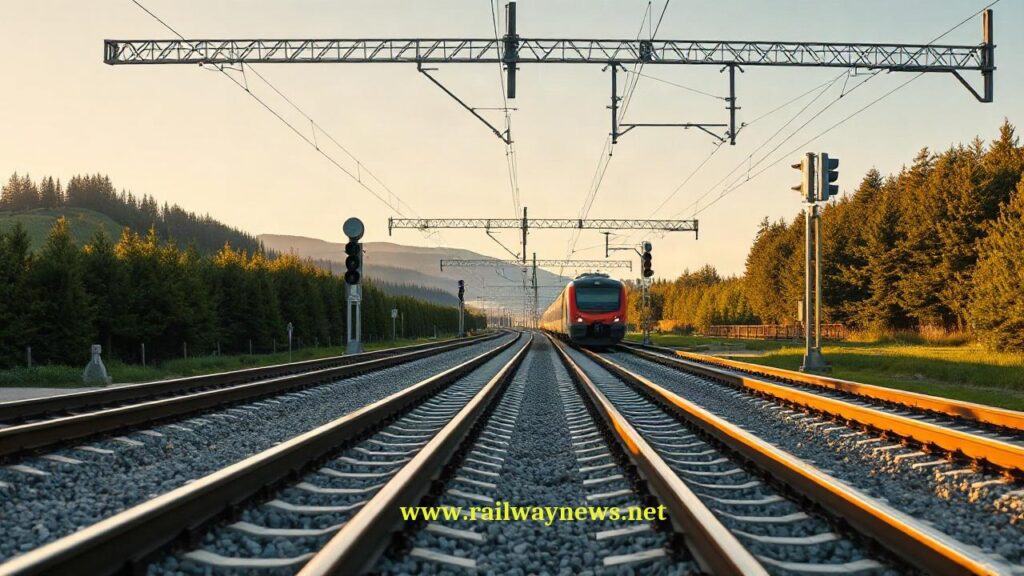
September 6, 2026 8:17 am
DB InfraGO reopened the Nuremberg-Regensburg line in Bavaria on 31...
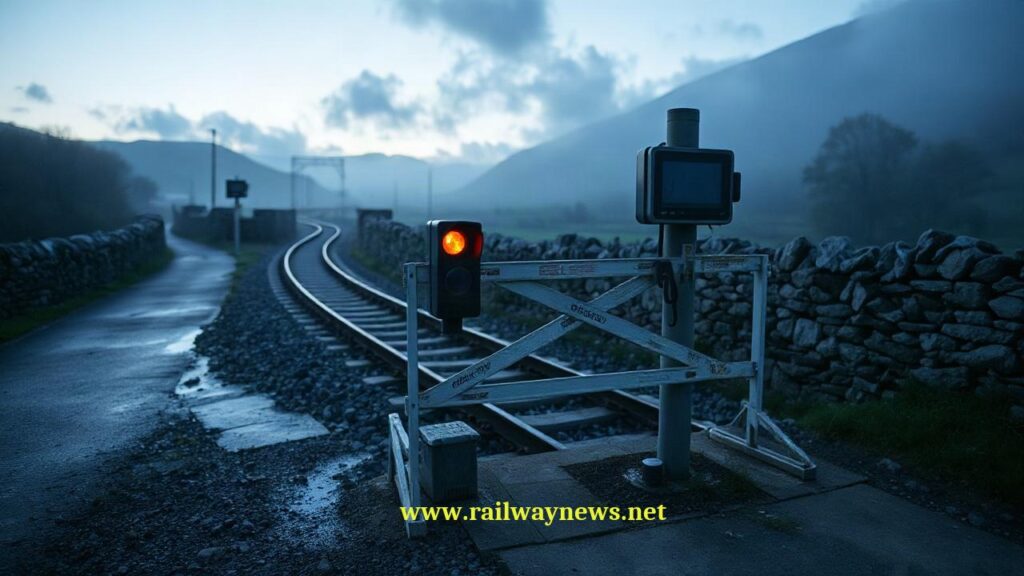
September 5, 2026 6:17 pm
Universal Signalling won a deal to install its U-Cross system...
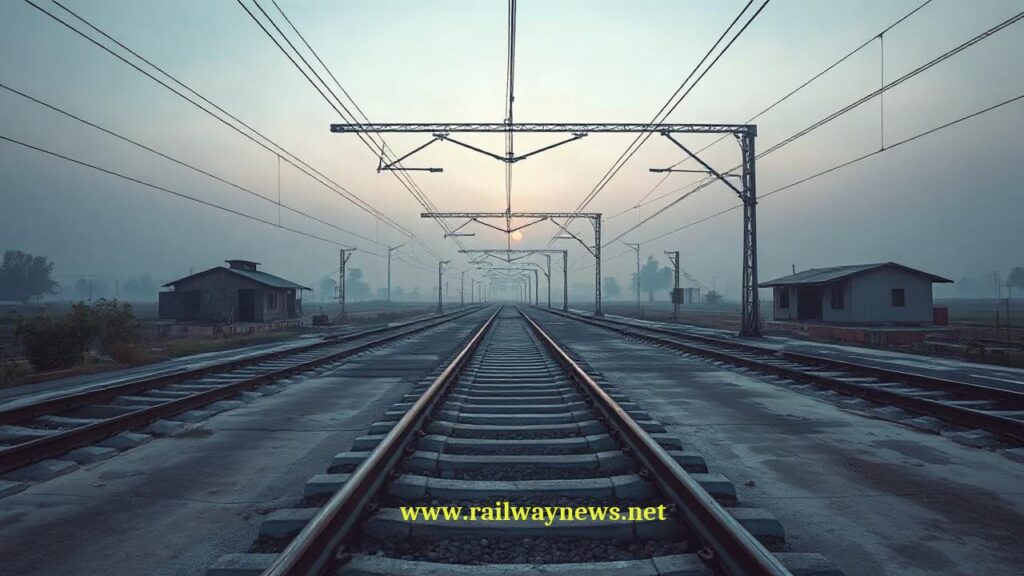
September 6, 2026 12:20 pm
Indian Railways ordered a probe after a fire destroyed 2...