
Northern Rail’s Rescue: OLR’s Turnaround Strategy
The transition from Arriva Rail North to the Department for Transport’s Operator of Last Resort (OLR) in Northern Rail represented a pivotal moment aimed at rebuilding passenger confidence, revitalizing a struggling network, and implementing substantial improvements through strategic advisory panels and technological upgrades.
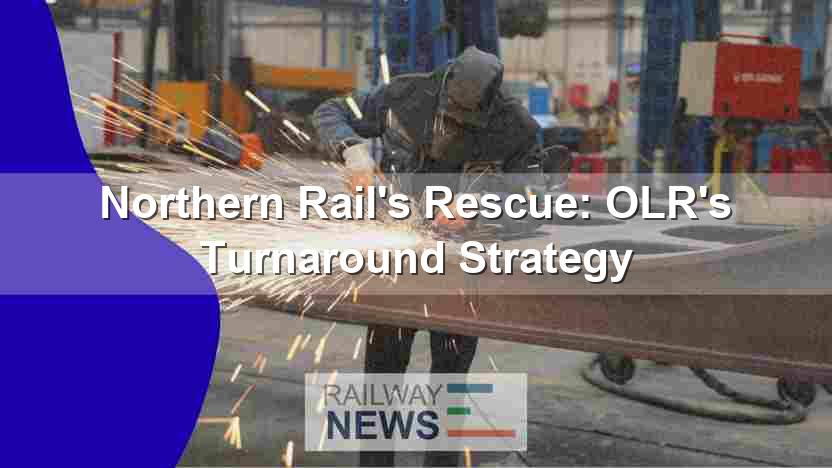
This article examines the transition of Northern Rail services in the United Kingdom (UK) from Arriva Rail North to the Department for Transport’s (DfT) Operator of Last Resort (OLR). This significant shift, occurring in March 2020, wasn’t simply a change in management; it represented a critical juncture aiming to rebuild passenger confidence and revitalize a struggling rail network. The move signified a recognition of the shortcomings of the previous franchise and a commitment to implementing substantial improvements. The subsequent actions taken by the OLR, including the formation of a strategic advisory panel and the investment in technological upgrades and infrastructure development, are analyzed to assess the effectiveness of this intervention and its implications for the future of rail service delivery in the north of England. The article explores the challenges faced, the strategies deployed, and the long-term objectives behind this governmental intervention in the rail industry.
The Assumption of Control by the OLR
The DfT’s activation of its Operator of Last Resort (OLR) mechanism marked a decisive intervention in the management of Northern Rail. The previous operator, Arriva Rail North, had faced considerable criticism due to persistent service disruptions, overcrowding, and a general decline in passenger satisfaction. The OLR takeover was presented not merely as a temporary fix, but as the launchpad for a detailed overhaul. This necessitated a strategic approach, focusing not just on immediate operational improvements, but also on addressing the underlying systemic issues that contributed to the franchise’s failings. This included engaging with stakeholders and analyzing the root causes of past problems.
A Collaborative Approach to Improvement
Recognizing the importance of regional input, the OLR established a high-level advisory panel composed of key stakeholders. This panel, chaired by OLR chairman Richard George, included influential political figures such as Andy Burnham (Mayor of Greater Manchester) and Judith Blake (Leader of Leeds City Council), alongside representatives from regional transport authorities, passenger advocacy groups, and industry experts. This collaborative strategy underscored a commitment to transparency and accountability. The panel served as a crucial mechanism for gathering regional insights and ensuring that improvement initiatives directly addressed the needs and priorities of the communities served by Northern Rail. This participatory model differed significantly from the previous, more isolated franchise management style.
Investing in Infrastructure and Technology
The OLR’s strategy encompassed both immediate operational improvements and longer-term infrastructural investments. Short-term goals included addressing immediate issues like overcrowding. This involved ongoing platform extension work at 30 stations and the introduction of new electric trains to enhance capacity and service reliability. These infrastructure upgrades, coupled with the planned introduction of new technologies for real-time crowd monitoring and management, demonstrate a commitment to improving the overall passenger experience. This focus on improving capacity and implementing smart technology to optimize service delivery underscores a modern and data-driven approach to rail management.
Long-Term Vision and Sustainability
The OLR’s takeover of Northern Rail was presented as more than just a short-term solution; it represented a commitment to long-term systemic change in the region’s rail network. The emphasis on collaboration, strategic planning, and infrastructural improvements all pointed towards a broader vision of enhanced rail service delivery. The commitment to exploring new technologies for crowd management and optimizing service operations signals a progressive approach that prioritizes passenger experience and operational efficiency. The 100-day plan, designed to identify and implement early improvements, serves as a foundation for a more sustainable and resilient rail network in the future. Additionally, the involvement of local and regional leaders ensured the plans were aligned with the needs and priorities of the communities served by Northern Rail.
Conclusion
The transition of Northern Rail to the DfT’s OLR marked a pivotal moment in the history of UK rail services. The initial challenges stemming from years of underperformance and passenger dissatisfaction necessitated a radical shift in management and approach. The OLR’s strategy, characterized by a collaborative and transparent decision-making process involving key stakeholders, proved a significant departure from previous franchise models. The establishment of the advisory panel ensured that local needs and concerns were directly addressed in the development and implementation of improvement plans. The planned investments in infrastructure, coupled with the introduction of new technology for crowd monitoring and operational efficiency, promise a substantial upgrade to the passenger experience. However, the long-term success of this initiative hinges not only on the successful implementation of these improvements but also on the sustainability of the collaborative approach and a continued focus on data-driven decision-making. The future of Northern Rail will depend on a sustained commitment to passenger-centric improvements, technological innovation, and a collaborative partnership between government, local authorities, and the rail industry itself. The long-term goal is to create a more efficient, reliable, and passenger-focused rail network in the north of England. The success of this initiative could serve as a model for future rail franchise management across the UK.

Railway infrastructure, rolling stock and transport technologies specialist focused on global rail industry developments, high-speed rail systems, signaling technologies and freight transportation. Covering railway investments, public transport modernization, rail operations and international mobility projects across Europe, Asia and North America.
RELATED POSTS

September 5, 2026 4:19 pm
CPK launched formal tender talks with four consortia to design...

September 6, 2026 4:12 am
Alstom delivered the first of 100 new G Class trams...

September 5, 2026 7:14 pm
HS2 Ltd signed renegotiated civils contracts with EKFB and Align...
September 5, 2026 6:17 pm
Universal Signalling won a deal to install its U-Cross system...
September 6, 2026 8:17 am
DB InfraGO reopened the Nuremberg-Regensburg line in Bavaria on 31...
September 7, 2026 11:16 pm
China Railway Tunnel Group completed the 11.3-km underwater Yangtze tunnel...