
Barmouth Viaduct: £25m Restoration & Heritage
The Barmouth Viaduct Restoration Project showcases Network Rail’s innovative approach in preserving a Grade II listed Victorian engineering marvel amidst significant structural deterioration and logistical challenges, emphasizing the balance between heritage preservation and operational efficiency.

The Barmouth Viaduct Restoration: A Case Study in Heritage Railway Preservation
This article explores the extensive restoration project undertaken by Network Rail (NR) on the Barmouth Viaduct, a Grade II listed structure in North West Wales. The £25 million project, initially slated for a multi-year timeframe, highlights the complex challenges inherent in preserving vital railway infrastructure while maintaining historical integrity. The project’s extension by 48 hours during a period of reduced passenger numbers due to a lockdown exemplifies the strategic decision-making processes required to balance efficiency with the demands of heritage preservation. We will explore the viaduct’s historical significance, the engineering challenges presented by its deterioration, the logistical complexities of the restoration, and the broader implications of such large-scale preservation efforts for the railway network.
Historical Significance and Structural Deterioration
Completed in 1864, the Barmouth Viaduct (2,690 feet long) is a testament to Victorian engineering. Its age, however, has resulted in significant deterioration. Extensive decay of timber components and corrosion of metallic elements have compromised the viaduct’s structural integrity, necessitating urgent intervention. The viaduct’s significance extends beyond its engineering marvel; it serves as a vital transport link for North West Wales, connecting communities and supporting regional economic activity. The Grade II listing places further constraints on the restoration, requiring the project to adhere strictly to preservation guidelines that prioritize the maintenance of the viaduct’s historical appearance and architectural character.
Engineering Challenges and Restoration Methodology
The restoration project presents significant engineering challenges. Network Rail’s approach focuses on a “like-for-like” replacement of deteriorated components, minimizing disruption to the viaduct’s aesthetic qualities. This meticulous process involves carefully removing damaged sections, precisely fabricating replacements using traditional techniques and materials where possible, and implementing robust quality control measures throughout. The project’s complexity is further amplified by the need to maintain safe working conditions for the construction crews, while ensuring minimal disruption to rail services, considering the viaduct’s operational status as a key part of the railway line.
Logistical Considerations and Stakeholder Management
The project’s execution demands careful logistical planning. The closure of the railway line between Pwllheli and Machynlleth, including all intermediate stations, necessitates the provision of rail replacement services by Transport for Wales (TfW). Effective coordination between NR and TfW is crucial to minimizing passenger inconvenience. The 48-hour extension during the firebreak lockdown demonstrates a proactive approach to optimizing the work schedule. By capitalizing on reduced passenger numbers, NR maximized the efficiency of the restoration work while still ensuring the availability of replacement transport services, demonstrating effective stakeholder management.
Conclusions: Preservation and the Future of Railway Infrastructure
The Barmouth Viaduct restoration project showcases the complex interplay between heritage preservation and the maintenance of essential railway infrastructure. The project’s £25 million budget underscores the significant financial investment required to maintain aging assets, highlighting the ongoing need for strategic planning and resource allocation within the railway industry. The “like-for-like” replacement strategy, while expensive, ensures the preservation of the viaduct’s historical character, demonstrating a commitment to balancing operational efficiency with heritage conservation. The successful coordination between Network Rail and Transport for Wales, coupled with proactive responses to unforeseen circumstances (such as the lockdown extension), emphasizes the importance of collaboration and adaptable project management in large-scale infrastructure projects. The lessons learned from the Barmouth Viaduct restoration will undoubtedly inform future approaches to the preservation of other vital, historic railway assets across the UK, establishing best practices for balancing heritage preservation with operational needs and efficient project management.

Railway infrastructure, rolling stock and transport technologies specialist focused on global rail industry developments, high-speed rail systems, signaling technologies and freight transportation. Covering railway investments, public transport modernization, rail operations and international mobility projects across Europe, Asia and North America.
RELATED POSTS

September 5, 2026 4:19 pm
CPK launched formal tender talks with four consortia to design...
September 5, 2026 7:14 pm
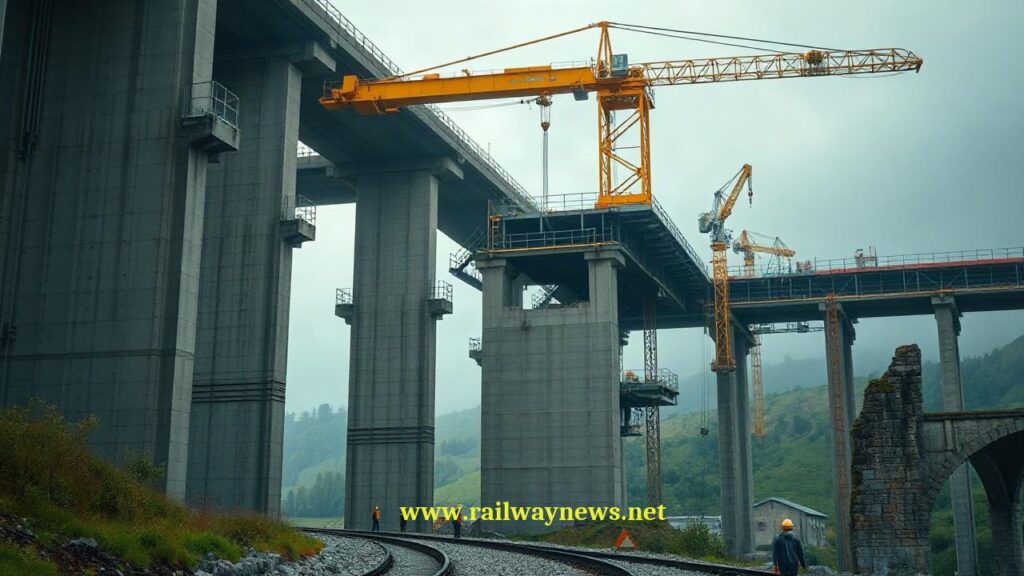
HS2 Ltd signed renegotiated civils contracts with EKFB and Align...

September 6, 2026 4:12 am
Alstom delivered the first of 100 new G Class trams...
September 5, 2026 6:17 pm
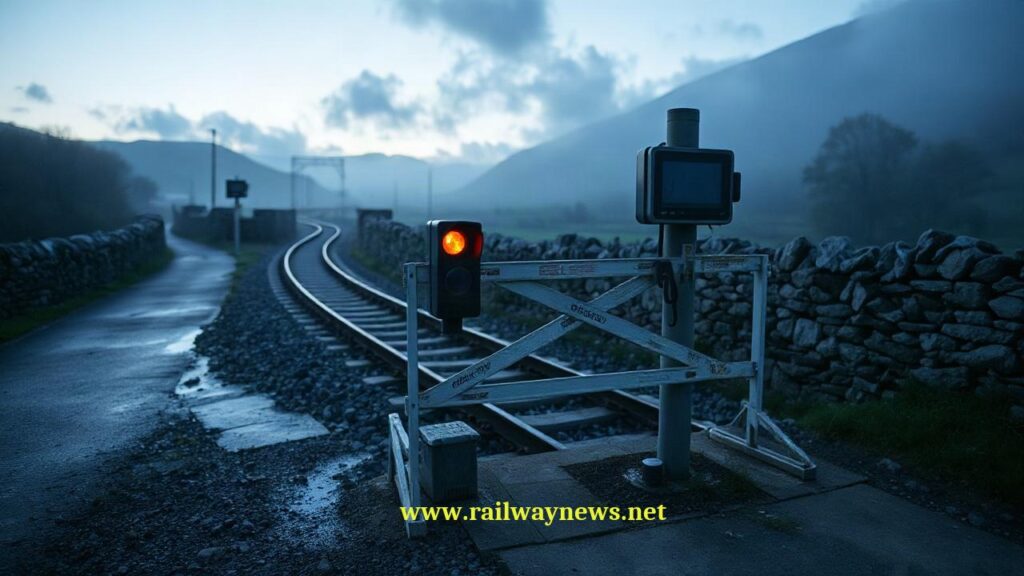
Universal Signalling won a deal to install its U-Cross system...
September 6, 2026 8:17 am
DB InfraGO reopened the Nuremberg-Regensburg line in Bavaria on 31...
September 6, 2026 12:20 pm
Indian Railways ordered a probe after a fire destroyed 2...