
£25M Rail Upgrade: Class 458 EMU Modernization
The modernization of Class 458 electric multiple units by Alstom for Porterbrook demonstrates a strategic commitment to extending the operational life of existing assets through comprehensive refurbishment, offering cost savings and improved passenger experience while highlighting the importance of lifecycle management in maintaining a robust railway system.
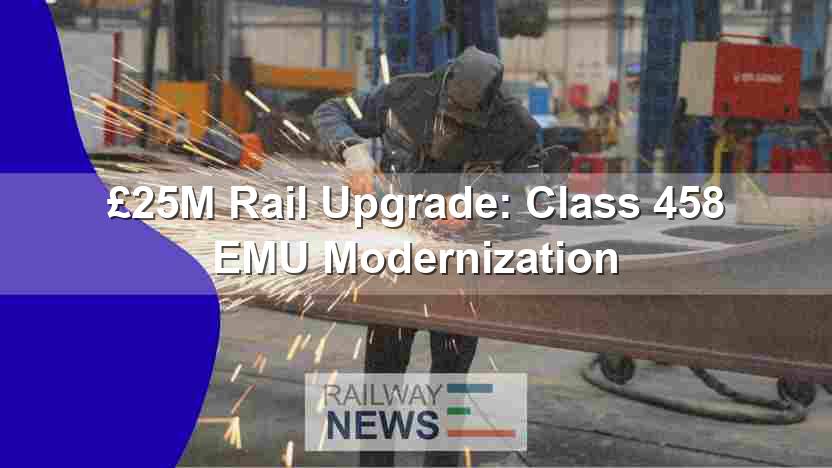
The British railway industry is constantly evolving, driven by the need for improved passenger experience, increased operational efficiency, and the sustainability imperative. This article explores a significant modernization project: the £25 million upgrade of the Class 458 electric multiple units (EMUs) by Alstom for Porterbrook, a rolling stock leasing company. This upgrade, spurred by South Western Railway’s (SWR) lease extension, demonstrates a strategic commitment to extending the lifespan of existing rolling stock through detailed refurbishment rather than premature replacement. We will examine the motivations behind this project, the scope of the upgrades, the collaborative partnerships involved, and the broader implications for the UK rail network. The modernization not only enhances the passenger journey but also highlights the crucial role of strategic partnerships and lifecycle management in maintaining a robust and efficient railway system.
Modernization of Existing Rolling Stock: A Cost-Effective Approach
The decision by SWR to extend the lease of the Class 458 EMUs and invest in their modernization underscores a shift towards extending the operational life of existing assets. This approach offers significant cost savings compared to procuring entirely new trains. The refurbishment allows for the integration of modern technology and improved passenger amenities while reducing the environmental impact associated with manufacturing new rolling stock. This lifecycle management strategy represents a financially sound and environmentally responsible approach to managing the UK’s rail infrastructure.
The Scope of the Class 458 Upgrade
The upgrade program undertaken by Alstom at its Widnes facility encompasses a wide range of improvements. The passenger saloons will undergo a complete refurbishment, focusing on enhancing the long-distance passenger experience. This likely involves improvements to seating, onboard amenities, and overall comfort. Additionally, the reconfiguration of the vehicles aims to improve acceleration, leading to faster journey times and enhanced punctuality. A crucial element of the upgrade is increasing the top speed of the trains to 100 mph, enabling greater operational flexibility and potentially allowing for the trains to be utilized on higher-speed lines.
Strategic Partnerships and Collaboration
The success of this project hinges on the strong collaborative relationships between Porterbrook, SWR, and Alstom. Porterbrook, as the rolling stock owner, is responsible for managing the assets’ lifecycle. SWR, as the operating company, benefits directly from the improved performance and passenger experience. Alstom, as the manufacturer and refurbishment contractor, leverages its expertise to deliver the upgrades. This tripartite partnership exemplifies the advantages of a collaborative approach to rail infrastructure management, demonstrating effective communication and a shared commitment to a common goal.
Impact on the Wider Railway System
The Class 458 upgrade transcends a single fleet modernization. It provides a valuable case study for the wider UK rail industry, showcasing the viability and benefits of extending the life of existing rolling stock. The successful implementation of this project will likely encourage similar initiatives, contributing to cost optimization and improved efficiency across the rail network. The project also highlights the crucial role of skilled labor, particularly at Alstom’s Widnes facility and SWR’s Bournemouth depot, in maintaining and upgrading the nation’s railway infrastructure. This aspect is underscored by the comments from both Porterbrook and Alstom executives emphasizing the importance of their respective teams.
Conclusions
The £25 million upgrade of the Class 458 EMUs represents a significant investment in the modernization of the UK’s rail network. This project, a collaborative effort between Porterbrook, SWR, and Alstom, demonstrates a strategic shift towards lifecycle management of rolling stock, prioritizing cost-effectiveness and environmental responsibility. The scope of the upgrades, including passenger saloon refurbishment, improved acceleration, and an increased top speed of 100 mph, signifies a significant enhancement of both passenger experience and operational efficiency. The success of this initiative underscores the importance of strategic partnerships within the railway industry. The project’s positive outcomes—enhanced passenger comfort, faster journey times, and cost savings—should serve as a model for future modernization projects across the UK rail network. Additionally, the emphasis on the skilled workforce involved highlights the vital contribution of human capital to the ongoing development and maintenance of a robust and efficient railway system. This successful collaboration not only improves the services offered by SWR but also reinforces the importance of sustainable practices and innovative approaches within the British railway industry.

Railway infrastructure, rolling stock and transport technologies specialist focused on global rail industry developments, high-speed rail systems, signaling technologies and freight transportation. Covering railway investments, public transport modernization, rail operations and international mobility projects across Europe, Asia and North America.
RELATED POSTS

September 5, 2026 4:19 pm
CPK launched formal tender talks with four consortia to design...

September 5, 2026 7:14 pm
HS2 Ltd signed renegotiated civils contracts with EKFB and Align...

September 6, 2026 4:12 am
Alstom delivered the first of 100 new G Class trams...
September 5, 2026 6:17 pm
Universal Signalling won a deal to install its U-Cross system...
September 6, 2026 8:17 am
DB InfraGO reopened the Nuremberg-Regensburg line in Bavaria on 31...
September 6, 2026 12:20 pm
Indian Railways ordered a probe after a fire destroyed 2...