
Railway Automation: Jobs, Challenges, Opportunities
The rapid advancement of technology in the railway sector is reshaping employment opportunities, presenting both challenges and opportunities for railway workers as they adapt to a technologically advanced workforce.
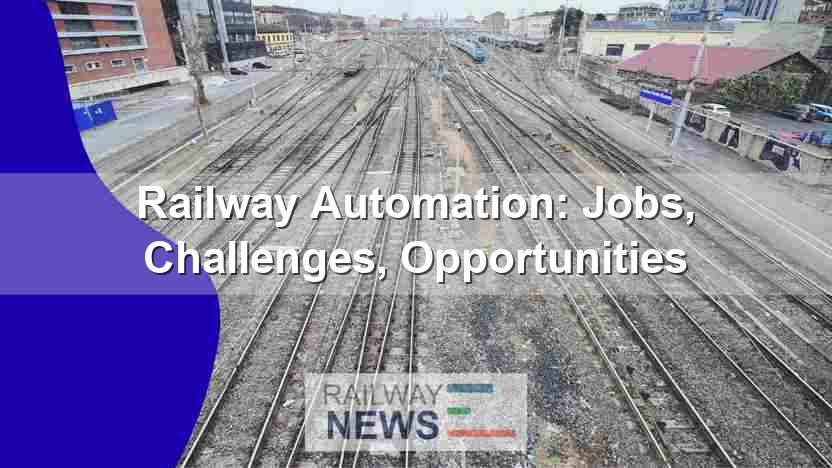
The Impact of Automation on Railway Jobs: A Shifting Landscape
The rapid advancement of technology and the increasing adoption of automation across various industries, including the railway sector, have sparked considerable debate regarding the future of work. This article will explore the potential impact of technological advancements on railway employment, analyzing the changing job market and examining the challenges and opportunities presented by this evolving landscape. We will delve into the specific technologies driving this transformation, their effect on different railway roles, and the potential strategies for mitigating job displacement while harnessing the benefits of technological progress. The discussion will consider both the short-term anxieties surrounding potential job losses and the long-term prospects of a workforce adapted to a technologically advanced railway system. The goal is not to present a bleak picture of widespread unemployment but rather to offer a nuanced understanding of the complexities involved in navigating this technological shift and fostering a sustainable and productive future for railway workers.
Technological Advancements in the Railway Sector
The railway industry is undergoing a significant technological transformation driven by several key innovations. These include the widespread adoption of computer-aided design (CAD) and computer-aided manufacturing (CAM) for efficient track and rolling stock production. Advanced signaling systems, such as Automatic Train Control (ATC) and European Train Control System (ETCS), are improving safety and operational efficiency by automating train control and monitoring. Predictive maintenance techniques using Internet of Things (IoT) sensors embedded in railway infrastructure and rolling stock allow for proactive repairs, minimizing downtime and optimizing maintenance schedules. The increasing use of Artificial Intelligence (AI) and Machine Learning (ML) is also transforming various aspects of railway operations, from optimizing train schedules and resource allocation to detecting potential failures and improving passenger services through automated customer support systems.
Impact on Railway Employment: Challenges and Opportunities
The introduction of these advanced technologies inevitably raises concerns about job displacement. Tasks previously performed by human workers, such as manual track inspection and train control, are now being automated. This shift requires a reassessment of skills and training needs for railway employees. However, it’s crucial to recognize that technological advancements also create new job opportunities. The increased complexity of automated systems necessitates skilled technicians and engineers to maintain and troubleshoot them. Data analysts are needed to interpret information from IoT sensors and AI systems, and software developers are required to create and improve the software that governs railway operations. Therefore, while some jobs may become obsolete, others are emerging that require new sets of skills and expertise.
Reskilling and Upskilling Initiatives: Preparing the Railway Workforce
Addressing the challenges of technological change requires proactive measures to prepare the railway workforce for the future. Detailed reskilling and upskilling programs are essential to equip employees with the skills needed to operate and maintain advanced railway technologies. These programs should focus on both technical skills, such as programming and data analysis, and soft skills, such as problem-solving and adaptability. Collaboration between railway companies, educational institutions, and government agencies is crucial to develop effective training programs tailored to the specific needs of the railway industry. Additionally, lifelong learning initiatives should be encouraged to ensure that railway workers can adapt to continuous technological advancements throughout their careers.
Conclusion: Navigating the Technological Transformation
The integration of automation and advanced technologies within the railway industry presents both significant challenges and substantial opportunities. While there is a legitimate concern regarding potential job displacement, a proactive and strategic approach to workforce adaptation is crucial. The automation of routine tasks will free up human workers to focus on more complex and higher-value activities, demanding creativity, critical thinking, and problem-solving abilities. The successful navigation of this technological shift depends on a multifaceted approach that prioritizes reskilling and upskilling initiatives, fostering collaboration between stakeholders, and embracing lifelong learning opportunities. By investing in the development of a skilled and adaptable workforce, the railway industry can harness the transformative potential of technology, enhancing safety, efficiency, and overall service delivery while ensuring a sustainable future for railway workers. Ignoring this transformation will lead to a workforce unprepared for the future, resulting in potential skill shortages and hindering the industry’s progress. A proactive and well-planned transition will not only minimize job losses but also lead to a more dynamic, efficient, and innovative railway sector capable of meeting the evolving demands of society. The successful implementation of automation will require a shift from a purely cost-cutting mentality to one which recognizes and invests in human capital development, creating a sustainable and thriving railway industry for years to come.

Railway infrastructure, rolling stock and transport technologies specialist focused on global rail industry developments, high-speed rail systems, signaling technologies and freight transportation. Covering railway investments, public transport modernization, rail operations and international mobility projects across Europe, Asia and North America.
RELATED POSTS

September 5, 2026 4:19 pm
CPK launched formal tender talks with four consortia to design...

September 5, 2026 7:14 pm
HS2 Ltd signed renegotiated civils contracts with EKFB and Align...

September 6, 2026 4:12 am
Alstom delivered the first of 100 new G Class trams...
September 6, 2026 8:17 am
DB InfraGO reopened the Nuremberg-Regensburg line in Bavaria on 31...
September 5, 2026 6:17 pm
Universal Signalling won a deal to install its U-Cross system...
September 6, 2026 12:20 pm
Indian Railways ordered a probe after a fire destroyed 2...