
NYC Subway’s R211 Revolution: Kawasaki’s $1.4B Upgrade
MTA’s $1.4B R211 subway car order: open-gangway trains, wider 58-inch doors, CBTC-ready. Built by Kawasaki. Boosting NYC transit.
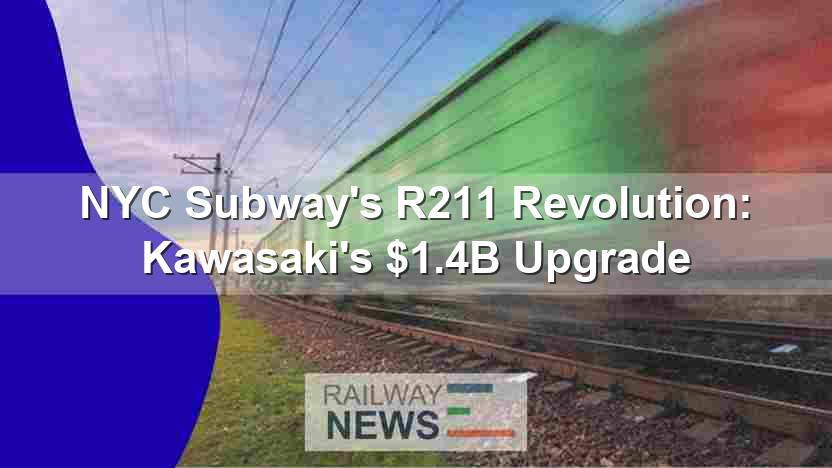
This article explores the significant upgrade to the New York City Transit (NYCT) subway system with the delivery of the new R211-series subway cars by Kawasaki Rail Car (KRC). The introduction of these state-of-the-art vehicles marks a substantial investment in modernizing the aging infrastructure and enhancing the overall passenger experience. The project, a $1.4 billion contract awarded in 2018, encompasses the manufacturing and delivery of 535 new cars with options for an additional 1,077, potentially totaling 1,612 cars, making it potentially the largest railcar contract in Kawasaki’s history. This detailed modernization initiative addresses long-standing issues of capacity, passenger flow, and overall system reliability, reflecting a crucial step towards improving the efficiency and appeal of the NYCT subway system. We will examine the technological advancements in the R211 cars, the manufacturing process, and the broader implications of this large-scale transit project for both the NYCT and Kawasaki Heavy Industries.
The R211 Subway Car: A Technological Advancement
The R211 subway cars represent a substantial leap forward in subway technology. Key improvements include the implementation of digital displays providing real-time information to passengers, LED lighting for enhanced visibility and energy efficiency, and significantly wider doors to improve passenger flow, especially during peak hours. The use of stainless steel in the car body (18.44m long and 3m wide) ensures durability and longevity. These features are not merely aesthetic upgrades; they are designed to address fundamental issues of overcrowding, information accessibility, and overall passenger comfort, resulting in a more efficient and enjoyable commute for New Yorkers.
Manufacturing and Deployment
The R211 cars are manufactured at the Kawasaki Motors Manufacturing (KMM) Railcar Plant in Nebraska, highlighting the significant investment in domestic manufacturing and job creation. The initial delivery of five cars marks the commencement of a phased rollout, with two ten-car test trains undergoing rigorous evaluation to assess inter-car gangways and ensure optimal passenger flow before full-scale deployment. This meticulous testing phase underscores the commitment to safety and operational efficiency, crucial for a system serving millions of daily riders.
Strategic Significance for NYCT and Kawasaki
For the NYCT, the R211 project represents a major step towards modernizing its aging fleet, replacing the older R46 cars. This upgrade addresses long-standing concerns about reliability, capacity, and passenger comfort, significantly impacting the overall efficiency and appeal of the subway system. The modernization effort contributes to the broader goal of enhancing the city’s public transportation infrastructure and improving the daily experience for millions of commuters. For Kawasaki, this large-scale contract signifies a major win, potentially becoming their largest railcar contract ever. It reinforces their position as a leading supplier of railway vehicles and highlights their capabilities in delivering complex, large-scale infrastructure projects.
Beyond the R211: Future Implications
The successful delivery and deployment of the R211 cars marks more than just a technological upgrade; it represents a significant investment in sustainable and efficient public transportation. Kawasaki’s expansion into remote track monitoring services using information and communication technology (ICT) further demonstrates their commitment to technological innovation within the railway sector. This diversification showcases the company’s strategic vision, moving beyond simple vehicle manufacturing to embrace detailed service provision and data-driven optimization. The success of this project could serve as a model for other major cities facing similar challenges in upgrading their aging transit systems. The continued integration of smart technologies and data analytics promises further advancements in efficiency, safety, and the overall passenger experience, shaping the future of urban transportation.
Conclusions
The delivery of the first R211-series subway cars to the NYCT by Kawasaki Rail Car marks a pivotal moment in the modernization of New York City’s subway system. This $1.4 billion project, with the potential to expand to 1,612 cars, showcases a significant investment in improving passenger experience and operational efficiency. The R211 cars, built at the KMM Railcar Plant in Nebraska, incorporate advanced technologies including digital displays, LED lighting, and wider doors to address issues of passenger flow, information access, and comfort. The rigorous testing phase highlights a commitment to safety and reliability. For the NYCT, this represents a crucial step toward upgrading its aging infrastructure and enhancing the overall commuter experience. For Kawasaki, this potentially record-breaking contract solidifies its position as a leading player in the railcar manufacturing industry and demonstrates their expansion into integrated services, including remote track monitoring. The success of the R211 project serves as a model for other large-scale transit modernization efforts, emphasizing the importance of integrating technology and data-driven approaches to improve efficiency, safety, and the overall passenger experience in urban transportation systems worldwide. The successful integration of the R211 cars paves the way for a more efficient, comfortable, and technologically advanced subway system, benefiting millions of New Yorkers daily and serving as a benchmark for future transit projects globally.

Transport and railway industry editor covering global rail infrastructure, sustainable mobility, urban transit systems and next-generation railway technologies with a focus on accessible and industry-focused reporting.
RELATED POSTS
August 4, 2026 1:11 pm
Hitachi Rail Canada secured a $407.7M contract to install CBTC...
August 11, 2026 11:13 am
Hungary confirmed the €2.5B Hungarian rail upgrade will not see...
August 4, 2026 11:12 am
MBTA confirmed a $150.8 million overhaul of the 85-year-old Green...
August 1, 2026 7:14 pm
€205 billion funding shortfall threatens the TEN-T rail network's completion...
August 5, 2026 7:11 pm
JR Central secured Shizuoka governor approval July 7, 2026 for...
August 1, 2026 7:11 pm
An Ipsos survey across 29 countries found that 33% of...