
KTCS-2: Revolutionizing South Korea’s Rail Safety
The deployment of Hyundai Rotem’s KTCS-2 (Korean Train Control System-2) on South Korea’s Jeolla Line represents a pivotal advancement in railway safety and operational efficiency, marking a significant milestone for the Korean railway network and setting the stage for wider adoption both domestically and internationally.
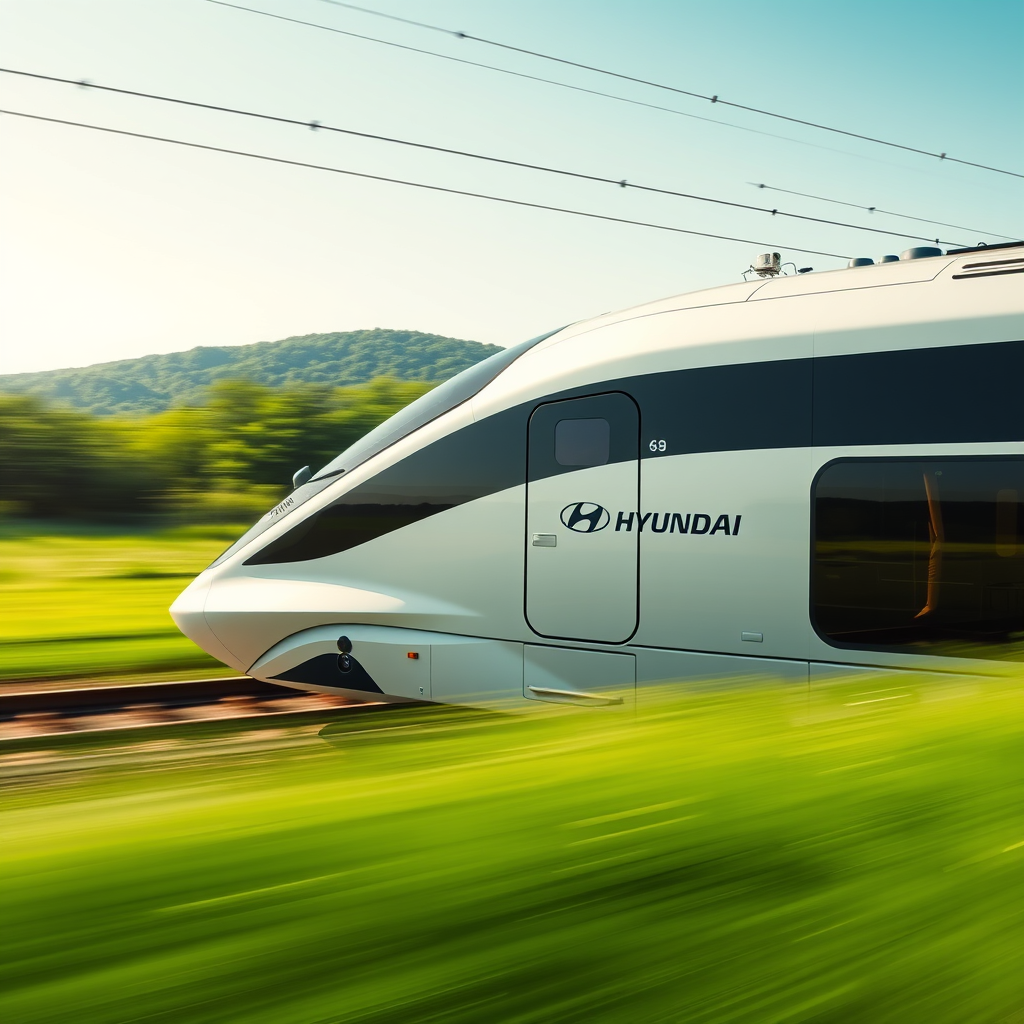
This article explores the significant advancement in railway safety and operational efficiency represented by the commercial deployment of Hyundai Rotem’s KTCS-2 (Korean Train Control System-2) on South Korea’s Jeolla Line. The introduction of this sophisticated Automatic Train Protection (ATP) system marks a pivotal moment for the Korean railway network, promising increased capacity, enhanced safety, and the potential for international market expansion. The Jeolla Line, spanning 180 kilometers between Iksan in North Jeolla Province and the port city of Yeosu, serves as a crucial testing ground for this technology. Its successful implementation demonstrates the maturity and reliability of KTCS-2, setting the stage for wider adoption both domestically and abroad. We will examine the technological specifications of KTCS-2, its operational benefits, its interoperability with European Train Control System (ETCS) standards, and its implications for future railway development in South Korea and beyond. This analysis will highlight the significance of this milestone in the evolution of railway technology and its impact on passenger safety, operational efficiency, and the global competitiveness of Korean railway manufacturers.
KTCS-2: Technical Specifications and Functionality
The KTCS-2 system functions as an advanced ATP, ensuring train safety through precise speed control and track switching. Its design adheres to the Level 1 and Level 2 specifications of the ETCS, a critical factor in its interoperability with European railway systems. This conformity allows for seamless integration into international rail networks, opening opportunities for export and collaboration. Unlike some older systems relying solely on track circuits, KTCS-2 utilizes a combination of technologies for enhanced reliability and adaptability to various railway environments. The system actively monitors train speed, location, and track conditions, automatically applying brakes if necessary to prevent collisions or derailments. This proactive approach substantially reduces the risk of human error, a common cause of railway accidents.
Operational Benefits and Capacity Enhancement
The implementation of KTCS-2 on the Jeolla Line has already yielded significant benefits. Reports indicate a 20% increase in line capacity, a testament to the system’s efficiency in managing train traffic flow. This increased capacity translates to more frequent train services, reduced journey times, and improved passenger satisfaction. Beyond the capacity gains, KTCS-2’s enhanced safety features allow for higher operational speeds while maintaining optimal safety margins. This combination of increased speed and capacity dramatically improves the overall efficiency and profitability of the Jeolla Line. The system also offers improved diagnostics and data logging capabilities, providing valuable insights for maintenance planning and predictive maintenance strategies.
Interoperability and Global Market Potential
A key advantage of KTCS-2 is its full compliance with ETCS Level 1 and Level 2 standards. This interoperability significantly boosts its export potential, positioning Hyundai Rotem as a major player in the global railway market. Many countries are modernizing their railway infrastructure and adopting ETCS, creating a substantial demand for compatible ATP systems. The KTCS-2’s proven reliability and adherence to international standards provide a significant competitive advantage in this global marketplace. Its success on the Jeolla Line provides compelling evidence of its capabilities, increasing investor confidence and international appeal.
Future Developments: KTCS-3 and Beyond
Hyundai Rotem is already actively developing KTCS-3, aiming for completion by the end of 2024. This next-generation system will further refine the technology, potentially incorporating LTE-R (Long Term Evolution – Railway) wireless communication for high-speed rail environments, reducing reliance on traditional track circuits. This shift towards wireless communication promises greater flexibility, cost-effectiveness, and improved scalability for future railway projects. The ongoing advancements in KTCS technology highlight Hyundai Rotem’s commitment to innovation and its vision for a safer, more efficient, and globally interconnected railway system.
Conclusions
The successful launch of KTCS-2 on the Jeolla Line represents a remarkable achievement for Hyundai Rotem and a significant leap forward for South Korea’s railway infrastructure. The system’s demonstrable capacity enhancements and rigorous safety features position it as a leader in the global ATP market. Its compatibility with ETCS standards opens doors to international collaboration and export opportunities, strengthening Korea’s position in the global railway industry. The 20% increase in capacity on the Jeolla Line is a compelling demonstration of the system’s effectiveness in optimizing train operations. Additionally, the ongoing development of KTCS-3, with its planned integration of LTE-R technology, showcases a commitment to continuous improvement and future-proofing railway safety and efficiency. The successful deployment of KTCS-2 underscores the importance of investing in advanced railway technologies to improve both operational efficiency and safety standards. This achievement not only benefits the South Korean railway network but also positions the country as a technological leader in railway safety and innovation on the world stage. The future of railway technology in South Korea and beyond appears bright, driven by advancements such as KTCS-2 and the ongoing evolution of train control systems. The increased safety, capacity, and interoperability offered by these systems promise a more efficient and reliable railway system for years to come.

Railway infrastructure, rolling stock and transport technologies specialist focused on global rail industry developments, high-speed rail systems, signaling technologies and freight transportation. Covering railway investments, public transport modernization, rail operations and international mobility projects across Europe, Asia and North America.
RELATED POSTS

October 1, 2026 7:09 am
United States regulators confirmed a September 30 deadline for the...

October 8, 2026 1:15 pm
Alstom secured a €1bn contract to build 13 automated trains,...

October 4, 2026 5:14 pm
Alstom secured a CA$4.7 billion order from VIA Rail Canada...

October 8, 2026 12:18 pm
Siemens Mobility signed an agreement with VinSpeed to supply 350...

October 5, 2026 6:12 pm
AECOM and Jacobs secured a contract in September 2026 to...

October 4, 2026 11:08 pm
Sound Transit confirmed the September 30 opening of Seattle Pinehurst...