
Antwerp-Bruges Port: Rail Revolution, 2024
The Port of Antwerp-Bruges is undergoing a transformation in its rail freight operations with the reorganization aimed at optimizing single wagon load shipments for increased operational efficiency, addressing inefficiencies and accommodating growing modal shift towards sustainable logistics.
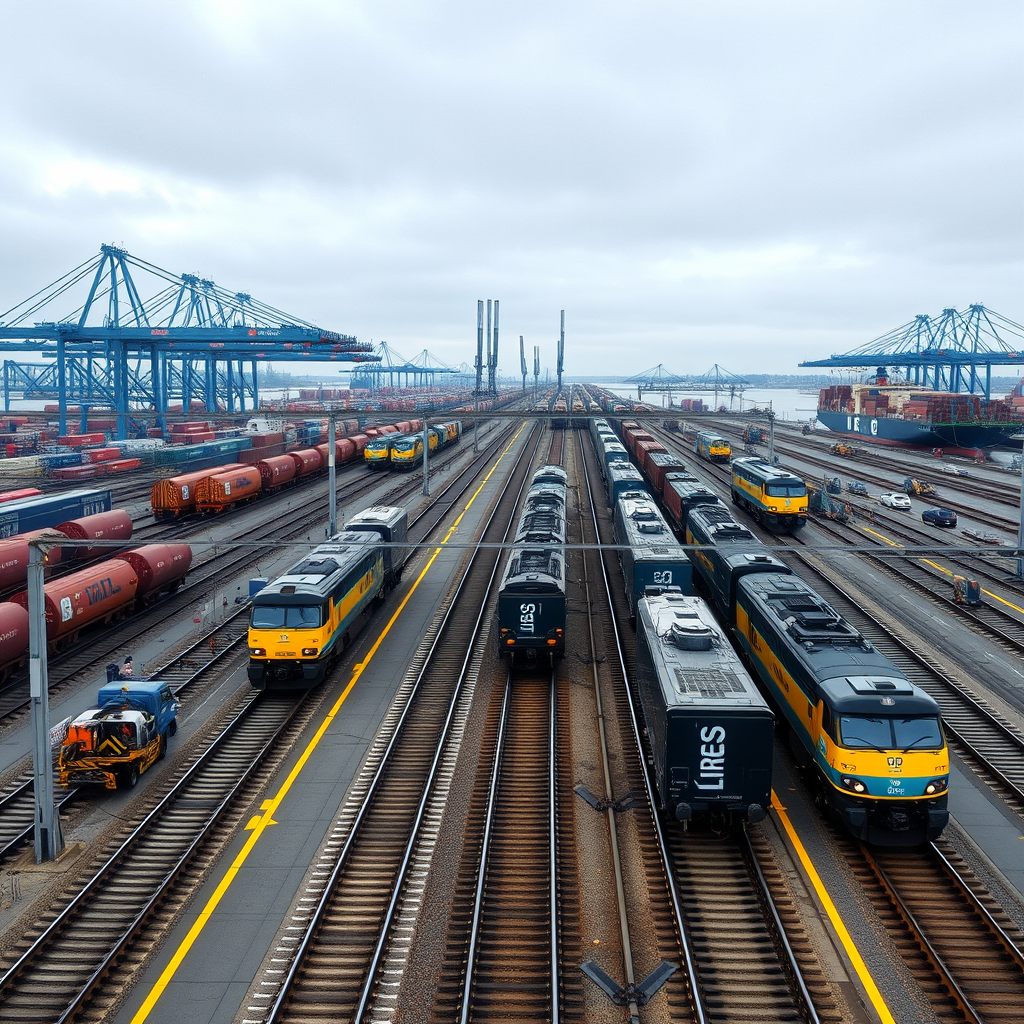
The Port of Antwerp-Bruges, Europe’s second-largest port complex, is undergoing a significant transformation in its rail freight operations. This article explores the planned reorganization of rail traffic within the port area, commencing January 1st, 2024. The initiative, spearheaded by Railport – a joint venture between the port authority and key stakeholders – aims to address growing inefficiencies and accommodate the anticipated surge in rail freight volumes driven by Europe’s modal shift away from road transport. This shift reflects a broader trend toward sustainable and efficient logistics, emphasizing the crucial role of rail in reducing congestion and environmental impact. The reorganization will focus on optimizing the “first and last mile” of rail transport within the port, a critical element often overlooked but vital for overall efficiency. This involves streamlining the handling of single wagon load (SWL) shipments, a significant portion of the port’s rail freight activity. This analysis will examine the challenges faced, the strategic solutions implemented, and the potential impacts on the port’s overall operational efficiency and the broader European logistics landscape.
Addressing Inefficiencies in Single Wagon Load (SWL) Rail Traffic
The current system for managing SWL shipments within the Port of Antwerp-Bruges suffers from fragmentation, leading to increased costs and delivery delays. This inefficiency stems from a lack of coordination among various rail operators serving different port zones. The port authority identified this as a key area needing improvement, particularly given the expected growth in rail freight volumes. The new operational model directly tackles this issue by assigning specific areas to different rail freight operators (RFOs) following a competitive tender process, ensuring greater control and improved coordination throughout the network.
Strategic Partnerships and Tender Process
Railport, the joint initiative between the Port of Antwerp-Bruges and its clients, played a central role in managing the tender process for the reorganization. This collaborative approach ensured transparency and industry buy-in. The tender process resulted in the selection of several key RFOs, each assigned specific zones within the port. The chosen operators include Lineas, Railtraxx, and DB Cargo, each demonstrating expertise and capacity to manage significant volumes of SWL traffic within their assigned areas. This strategic approach leverages the strengths of various RFOs, fostering competition while ensuring efficient management of rail operations across the entire port area. The involvement of stakeholders throughout the process highlights the commitment to fostering a collaborative environment to achieve optimal results.
Improved Accessibility and Transparency for Customers
The new operational model is designed to enhance the customer experience by addressing the challenges of fragmented deliveries and lack of transparency. The consolidation of operations within designated areas simplifies the process for shippers, improving accessibility and providing clearer visibility into the movement of their goods. This approach is expected to reduce delays and improve predictability, ultimately benefiting the entire supply chain. The port authority emphasizes that this improved transparency directly addresses concerns of increased costs and uncertainty associated with the previous system.
Digitalization and Future Development
The reorganization isn’t just about physical changes. Railport recognizes the importance of digitalization in further enhancing efficiency and transparency. Ongoing initiatives focus on accelerating the digital transformation of rail operations within the port. This includes the implementation of advanced tracking systems and data analytics tools to provide real-time visibility into rail freight movements. Additionally, continued monitoring and regular area meetings are planned to ensure the ongoing optimization of processes and address any emerging issues.
Conclusion
The Port of Antwerp-Bruges’s reorganization of its rail traffic, particularly the streamlining of SWL operations, represents a significant step toward enhancing the efficiency and competitiveness of its logistics network. The strategic allocation of zones to specialized RFOs (Lineas, Railtraxx, DB Cargo), following a transparent tender process managed by Railport, addresses the fragmentation and opacity inherent in the previous system. This restructuring anticipates and accommodates the anticipated growth in rail freight, a pivotal aspect of Europe’s modal shift away from road transport and a commitment to more sustainable logistics. The project, however, is not solely focused on physical operational changes. A vital component involves the continued digitalization of operations, enhancing real-time tracking and analysis. The success of this project hinges on continued collaboration between the port authority, RFOs, and key stakeholders. By proactively addressing the challenges of managing SWL shipments, the Port of Antwerp-Bruges demonstrates its commitment to maintaining its position as a leading European port, providing efficient and sustainable transportation options for its customers and contributing to the overall resilience of European supply chains. The implementation of this new model marks a pivotal moment for the port, underscoring its forward-thinking approach to logistics and its dedication to providing optimal service to its users. The ongoing commitment to digitalization and continuous improvement further strengthens the long-term viability and competitiveness of the Port of Antwerp-Bruges within the rapidly evolving global logistics landscape.

Railway infrastructure, rolling stock and transport technologies specialist focused on global rail industry developments, high-speed rail systems, signaling technologies and freight transportation. Covering railway investments, public transport modernization, rail operations and international mobility projects across Europe, Asia and North America.
RELATED POSTS

October 8, 2026 1:15 pm
Alstom secured a €1bn contract to build 13 automated trains,...

October 1, 2026 7:09 am
United States regulators confirmed a September 30 deadline for the...

October 8, 2026 12:18 pm
Siemens Mobility signed an agreement with VinSpeed to supply 350...

October 4, 2026 5:14 pm
Alstom secured a CA$4.7 billion order from VIA Rail Canada...

October 5, 2026 6:12 pm
AECOM and Jacobs secured a contract in September 2026 to...

October 4, 2026 11:08 pm
Sound Transit confirmed the September 30 opening of Seattle Pinehurst...