
UK Rail Revolution: Very Light Rail’s Impact
The Revolution Very Light Rail (RVLR) system, developed by Eversholt Rail and Transport Design International (TDI), represents a significant investment in domestically produced all-electric EMUs designed for lower-density rail lines, aiming to transform the future of UK regional rail transport through sustainable, cost-effective solutions.
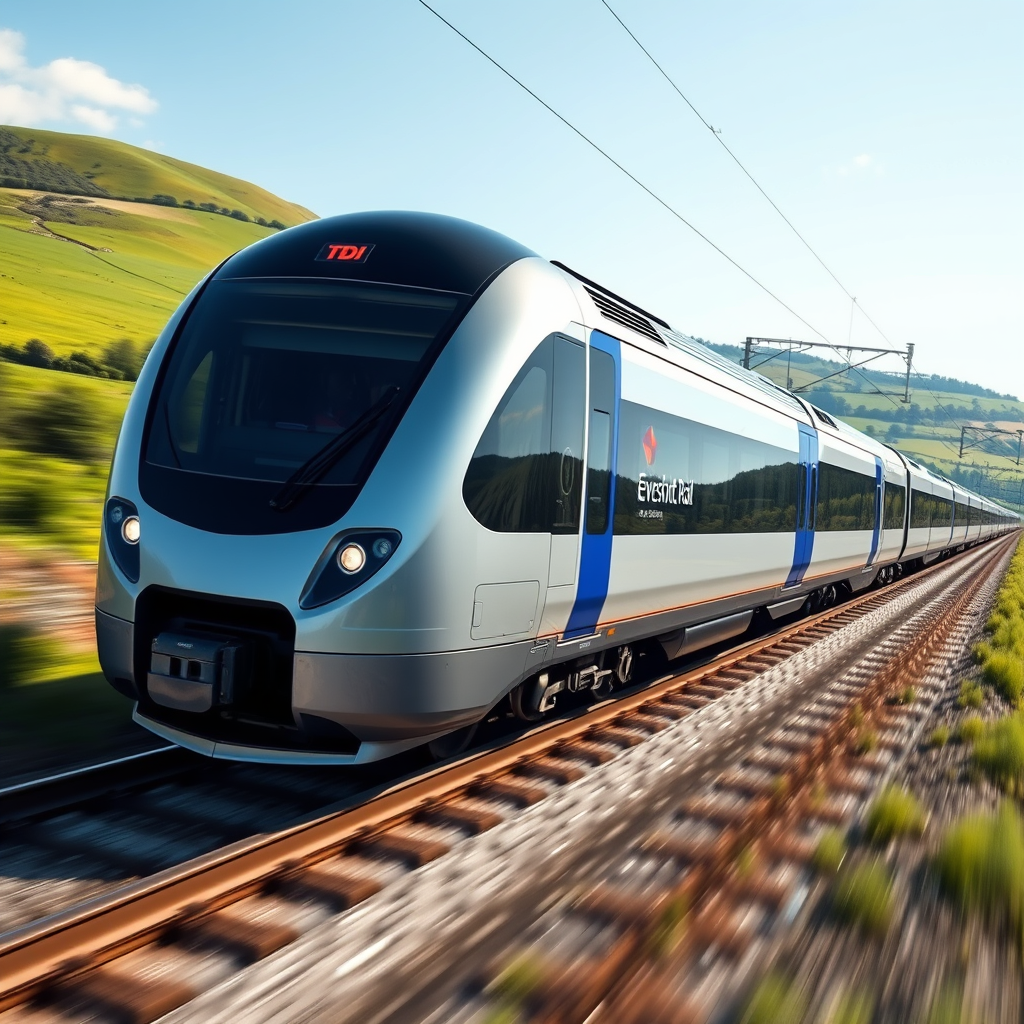
The United Kingdom’s railway network faces the ongoing challenge of modernizing its infrastructure and operations while addressing environmental concerns and improving cost-effectiveness, particularly on lower-density lines. This article explores the significant development of the Revolution Very Light Rail (RVLR) system, a groundbreaking initiative poised to transform less utilized sections of the national rail network. The project, a joint venture between Eversholt Rail and Transport Design International (TDI), signifies a substantial investment in domestically produced, all-electric multiple-unit trains designed for enhanced sustainability and operational efficiency. This innovative approach promises to reshape the future of UK regional rail transport, offering a compelling solution for addressing the specific needs of less-utilized lines. The RVLR project encompasses not only the design and construction of cutting-edge rolling stock but also the development of crucial supporting infrastructure and operational strategies, all aimed at creating a financially viable and environmentally responsible transportation solution.
A New Era in Electric Multiple-Unit (EMU) Design
The RVLR project centers on the development and deployment of a revolutionary all-electric EMU designed specifically for lower-density rail lines. This innovative design prioritizes lightweight materials and advanced energy-efficient technologies. The decision to focus on all-electric operation reflects a commitment to environmental sustainability, reducing the carbon footprint associated with rail transport. Unlike traditional heavier EMUs often used on high-traffic routes, the RVLR units are optimized for efficiency on less-demanding lines, minimizing operational costs while offering a comfortable passenger experience. The project aims to demonstrate that modern, lightweight rail technology can provide a sustainable and economically viable alternative to traditional diesel-powered trains currently operating on these lines.
Domestic Manufacturing and Technological Innovation
A key feature of the RVLR initiative is its commitment to domestic manufacturing. The three prototype units are being assembled at TDI’s UK facilities, fostering economic growth and promoting technological advancement within the British rail industry. This focus on domestic production underscores a broader strategy of revitalizing UK manufacturing capabilities within the transportation sector. The project also involves the development of in-service charging technology, a crucial element for the successful deployment of battery-only operation. This innovation is supported by Innovate UK, a testament to the government’s recognition of the project’s potential to drive technological advancements in the rail sector. The lightweighting technologies employed in the RVLR design represent a significant technological leap, demonstrating the possibilities of modern materials and engineering practices.
Deployment and Future Prospects
The initial phase of the project involves extensive live testing on the UK rail network. While specific testing routes are still under discussion with various train operating companies (TOCs), the data gathered from these trials will be invaluable in supporting business cases for wider deployment of the RVLR vehicles. Feedback from both passengers and operators will further refine the design and ensure the vehicles are optimized for practical use. Successful completion of this testing phase is a pivotal step toward realizing the project’s long-term objectives and securing future investment in the RVLR technology.
Conclusion
The Revolution Very Light Rail (RVLR) project represents a significant step forward in the modernization and sustainability of the UK rail network. By focusing on domestically produced, all-electric, lightweight EMUs, this initiative tackles multiple challenges simultaneously. The project’s emphasis on domestic manufacturing stimulates economic growth while fostering technological innovation within the UK rail industry. The development of in-service charging technology, supported by Innovate UK, showcases a commitment to cutting-edge solutions. The planned live testing on the UK rail network, encompassing data collection and feedback from passengers and operators, will be crucial in demonstrating the RVLR’s viability and paving the way for wider deployment. Ultimately, the success of RVLR will not only revitalize underutilized rail lines but also establish a model for environmentally sustainable and economically efficient rail transportation, potentially influencing rail development across the globe. The meticulous planning, innovative design, and commitment to rigorous testing signify a potentially transformative impact on the UK rail landscape and underscore a broader shift toward sustainable and cost-effective rail solutions.

Railway infrastructure, rolling stock and transport technologies specialist focused on global rail industry developments, high-speed rail systems, signaling technologies and freight transportation. Covering railway investments, public transport modernization, rail operations and international mobility projects across Europe, Asia and North America.
RELATED POSTS

October 8, 2026 1:15 pm
Alstom secured a €1bn contract to build 13 automated trains,...

October 1, 2026 7:09 am
United States regulators confirmed a September 30 deadline for the...

October 4, 2026 5:14 pm
Alstom secured a CA$4.7 billion order from VIA Rail Canada...

October 8, 2026 12:18 pm
Siemens Mobility signed an agreement with VinSpeed to supply 350...

October 5, 2026 6:12 pm
AECOM and Jacobs secured a contract in September 2026 to...

October 4, 2026 11:08 pm
Sound Transit confirmed the September 30 opening of Seattle Pinehurst...