
Glasgow Subway: New Trains Pass Initial Trials
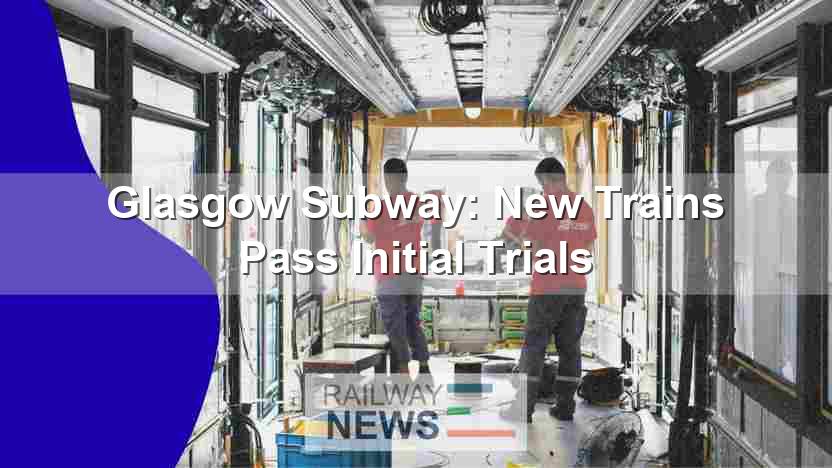
The initial trials for the new fleet of trains on Glasgow’s subway system, conducted successfully by Stadler and Hitachi, validated their operational capabilities under existing infrastructure conditions, including power systems integration and emergency recovery procedures. This milestone marks a significant step towards enhanced safety, efficiency, and passenger experience in the modernized Glasgow Subway network.
Introduction
This article explores the significant milestone achieved in the modernization of the Glasgow Subway system with the successful completion of initial trials for its new fleet of trains. The introduction of these new trains represents a crucial step in enhancing the safety, efficiency, and overall passenger experience of this vital transportation network. The trials, conducted by the joint venture (JV) of Stadler and Hitachi, focused on assessing the trains’ operational capabilities within the existing Subway infrastructure. This involved rigorous testing procedures designed to validate the trains’ performance under various conditions, ensuring full compliance with stringent safety standards. The success of these initial trials paves the way for more extensive testing throughout 2022 before the anticipated commencement of passenger service in 2023. The modernization project, encompassing the new rolling stock and other infrastructural upgrades, is a testament to the commitment towards improving public transportation in Glasgow, and highlights the complexities and importance of rolling stock integration within an existing, operational subway system.
Initial Testing and Power Assessment
The first trial exercise focused on verifying the new trains’ ability to navigate the Glasgow Subway system using their own propulsion systems. This involved a controlled movement of a single train from the joint venture (JV) testing facility to Broomloan Depot and subsequently to Govan Station. This critical test validated the integration of the new trains’ power systems with the existing infrastructure, ensuring compatibility and confirming the trains’ capability to operate independently within the network. Success in this phase confirmed the basic operational functionality of the trains within the subway tunnel environment.
Emergency Recovery Procedures
The second phase of the initial trials addressed emergency procedures. The testing centered on the depot locomotives’ capacity to recover a train from the system. This is a critical safety aspect, demonstrating the capability to remove a train from service in the event of a malfunction or emergency. This involved simulating scenarios requiring train extraction, ensuring the efficacy of established recovery protocols and validating the equipment’s ability to handle such situations safely and efficiently. The successful completion of this phase underscores the robustness of the emergency response plan for the new rolling stock.
Detailed Testing Program
Following the initial successes, an extensive testing program is planned for 2022. Every aspect of the new trains’ performance will undergo rigorous evaluation, encompassing safety systems, operational efficiency, passenger comfort, and overall system integration. This detailed testing process aims to address all potential issues and ensure the trains meet the highest safety and performance standards before passenger service commences. Data collected during these trials will be meticulously analyzed to identify any necessary modifications or adjustments before the trains are deployed for public transport.
Project Timeline and Future Outlook
The project aims to introduce 17 new trains to the Glasgow Subway network, with full operational deployment anticipated in 2023. The successful completion of the initial trials represents a significant step forward after challenges faced during the previous year, including the impact of COVID-19 and associated travel restrictions. This modernization signifies a substantial investment in Glasgow’s public transportation infrastructure, promising a significant upgrade in service quality, passenger experience, and overall system reliability. The project’s success showcases a collaborative effort between the Strathclyde Partnership for Transport (SPT), Stadler, Hitachi, and other stakeholders involved in the modernization process.
Conclusions
The successful completion of the initial trial runs for the new Glasgow Subway trains marks a crucial milestone in a significant modernization project. The trials, conducted by the Stadler and Hitachi joint venture, demonstrated the successful integration of the new trains’ propulsion systems and the effectiveness of emergency recovery procedures. These initial tests pave the way for a detailed testing program throughout 2022, where every aspect of the trains’ performance will be rigorously evaluated to ensure full compliance with safety and performance standards. The anticipated introduction of 17 new trains in 2023 promises a substantial enhancement to the Glasgow Subway system, improving passenger experience, operational efficiency, and overall system reliability. The project’s successful progress, despite challenges posed by the COVID-19 pandemic, underscores the commitment to upgrading Glasgow’s public transportation infrastructure. The modernization effort highlights the complexities involved in integrating new rolling stock into an existing operational subway network, showcasing the importance of meticulous planning, rigorous testing, and effective collaboration between stakeholders. The project’s successful culmination will significantly benefit the city of Glasgow, offering improved public transport, enhanced safety, and a more comfortable journey for its citizens. The thorough testing protocols employed ensure that the new fleet will not only meet but exceed expectations for safety and performance, setting a new standard for the Glasgow Subway and other similar urban rail systems globally.

Railway infrastructure, rolling stock and transport technologies specialist focused on global rail industry developments, high-speed rail systems, signaling technologies and freight transportation. Covering railway investments, public transport modernization, rail operations and international mobility projects across Europe, Asia and North America.
RELATED POSTS

September 5, 2026 4:19 pm
CPK launched formal tender talks with four consortia to design...

September 5, 2026 7:14 pm
HS2 Ltd signed renegotiated civils contracts with EKFB and Align...

September 6, 2026 4:12 am
Alstom delivered the first of 100 new G Class trams...
September 6, 2026 8:17 am
DB InfraGO reopened the Nuremberg-Regensburg line in Bavaria on 31...
September 5, 2026 6:17 pm
Universal Signalling won a deal to install its U-Cross system...
September 6, 2026 12:20 pm
Indian Railways ordered a probe after a fire destroyed 2...