
KiwiRail’s Green Rail Revolution: DMUs, ETCS & Hybrid Locomotives
KiwiRail’s NZ$1.7B green rail investment: 9 Stadler DMUs, 24 hybrid shunting locomotives + ETCS Level 1, HVO biofuel compatibility. Net-zero 2050 strategy.
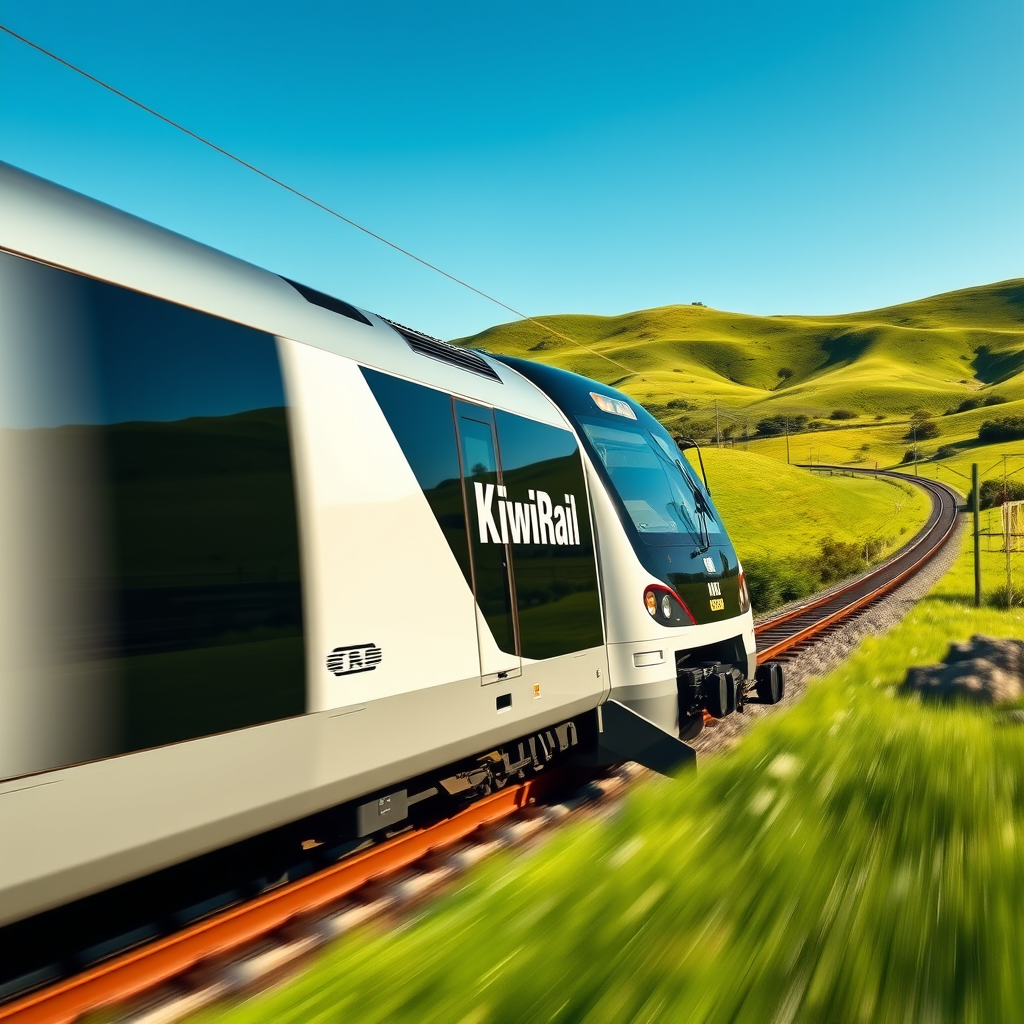
This article focuses to KiwiRail’s significant investment in its rolling stock, focusing on recent contracts with Stadler for nine mainline diesel-multiple unit (DMU) locomotives and twenty-four hybrid battery-diesel shunting locomotives. The expansion of their 2021 order and the incorporation of European Train Control System (ETCS) technology represent a crucial step towards modernizing New Zealand’s rail network and achieving environmental sustainability goals. This analysis will examine the technical specifications of the new locomotives, the strategic implications of the ETCS implementation, and the broader context of KiwiRail’s overall modernization plan within the framework of its commitment to decarbonization and improved operational efficiency. We will explore the benefits of hybrid shunting locomotives and the impact of biofuel adoption on reducing greenhouse gas emissions. Finally, we will assess the long-term consequences of this investment on the New Zealand rail system, its economic implications, and its contribution to the country’s broader sustainability objectives.
Expansion of Mainline Locomotive Fleet and ETCS Integration
KiwiRail’s expansion of its 2021 order with Stadler includes nine additional DM Class locomotives. This brings the total number of DM Class locomotives to 66. Critically, these new locomotives, along with the final ten from the original order, will be equipped with ETCS Level 1. This advanced signaling system significantly enhances safety and operational efficiency, allowing seamless integration into the North Island rail network and the Auckland Metro area, both of which utilize ETCS. The implementation of ETCS represents a substantial upgrade to New Zealand’s rail infrastructure, paving the way for increased speeds and improved train control. The strategic decision to equip both new and existing locomotives with ETCS showcases KiwiRail’s commitment to interoperability and future-proofing its operations. The considerable financial commitment reflects the long-term benefits associated with a standardized signaling system.
Introduction of Hybrid Shunting Locomotives
The order of 24 hybrid battery-diesel shunting locomotives is a pivotal element of KiwiRail’s decarbonization strategy. These locomotives, designed for operation in all of KiwiRail’s shunting yards, are partially battery powered, allowing for zero-emission operation in many scenarios. This aligns directly with KiwiRail’s ambitious net-zero emissions target by 2050. The inclusion of spare parts, specialized tools, and detailed technical services in the contract ensures smooth operation and minimizes downtime. The design allowing for external operation enhances safety for shunting yard personnel. The transition to hybrid technology represents a significant step toward reducing emissions within the rail sector, demonstrating KiwiRail’s commitment to environmental responsibility and sustainable practices.
Sustainable Fuel Initiatives and Operational Efficiency
Beyond the introduction of hybrid technology, KiwiRail’s commitment to sustainability is evident in the design of the DM Class locomotives for compatibility with Hydrotreated Vegetable Oil (HVO) biofuels. Using HVO can reduce CO2 equivalent emissions by over 80% along the supply chain. This proactive approach to fuel selection showcases KiwiRail’s commitment to reducing its environmental footprint and actively participating in reducing greenhouse gas emissions. The combination of ETCS implementation and the adoption of sustainable fuels creates a more efficient and environmentally friendly rail system. This not only reduces operational costs but contributes to a more sustainable national transportation network.
Conclusion: A Transformative Investment for New Zealand’s Rail System
KiwiRail’s NZ$1.7 billion (approximately $1 billion USD) investment in rolling stock marks a significant transformation for New Zealand’s rail network. The acquisition of new mainline and shunting locomotives, coupled with the strategic implementation of ETCS and the adoption of sustainable fuels, significantly enhances operational efficiency, safety, and environmental performance. The expanded DM Class locomotive fleet, equipped with ETCS, will improve interoperability and capacity on the North Island network, while the introduction of hybrid shunting locomotives signals a clear commitment to decarbonization goals. The use of HVO biofuels further reinforces KiwiRail’s dedication to environmental sustainability. The entire initiative is a testament to a forward-thinking approach that considers both economic viability and environmental responsibility. This investment not only modernizes the rail infrastructure but also positions KiwiRail as a leader in sustainable rail transportation, contributing to New Zealand’s broader economic and environmental goals. The long-term benefits extend beyond immediate operational improvements, encompassing enhanced freight capacity, improved passenger services, and a reduced carbon footprint for the nation’s transportation sector. This detailed modernization strategy positions KiwiRail for future growth and sustainability, setting a benchmark for rail operators worldwide.

Transport and railway industry editor covering global rail infrastructure, sustainable mobility, urban transit systems and next-generation railway technologies with a focus on accessible and industry-focused reporting.
RELATED POSTS

October 1, 2026 7:09 am
United States regulators confirmed a September 30 deadline for the...

October 8, 2026 1:15 pm
Alstom secured a €1bn contract to build 13 automated trains,...

October 4, 2026 5:14 pm
Alstom secured a CA$4.7 billion order from VIA Rail Canada...
October 1, 2026 10:14 am
HS2 installed a 55-metre steel span in Birmingham, completing phase...

October 4, 2026 11:08 pm
Sound Transit confirmed the September 30 opening of Seattle Pinehurst...

October 5, 2026 6:12 pm
AECOM and Jacobs secured a contract in September 2026 to...