
SEPTA Cancels $200M Rail Car Contract: Defects & Delays
The recent contract cancellation by SEPTA with CRRC MA over alleged manufacturing defects and delays underscores critical considerations in international procurement, emphasizing the importance of robust quality control mechanisms and effective risk mitigation strategies for future public-private partnerships.
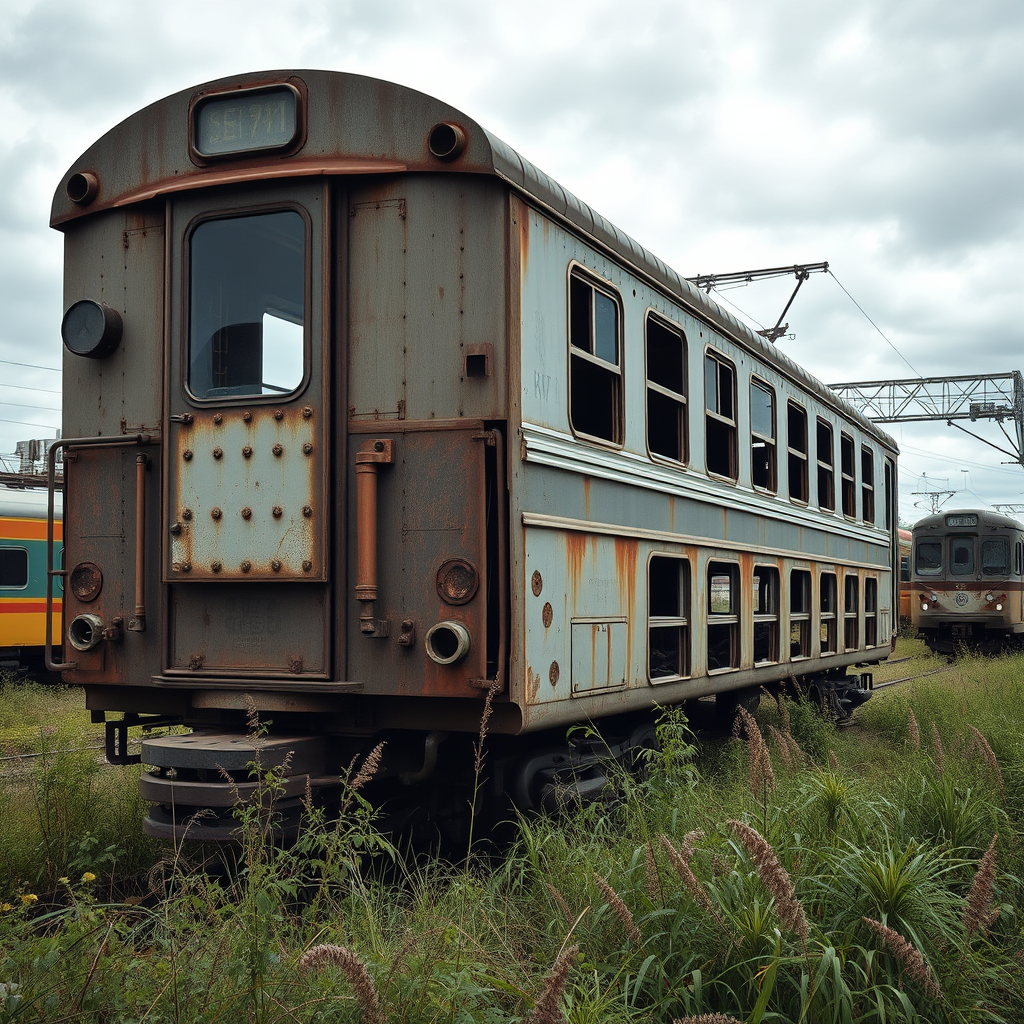
This article examines the recent cancellation by the Southeastern Pennsylvania Transportation Authority (SEPTA) of a $200 million contract with CRRC MA (China Railway Rolling Stock Corporation’s Massachusetts subsidiary) for the production of 45 new double-decker passenger rail cars. This case highlights crucial considerations in large-scale public transportation procurement, specifically focusing on the complexities of international collaborations, contract management, and the critical need for robust quality control mechanisms in the manufacturing of railway rolling stock. The cancellation, amidst allegations of manufacturing defects and delays, raises important questions about risk mitigation strategies in public-private partnerships and the implications for both SEPTA’s modernization plans and CRRC MA’s future prospects in the US market. The analysis will delve into the specific issues that led to the contract termination, exploring the technical shortcomings of the delivered rolling stock and the financial ramifications for all parties involved. Additionally, the article will discuss the broader implications for future procurement strategies within the US railway sector, focusing on the importance of rigorous quality assurance and effective contract management practices.
Contract Termination and Alleged Defects
SEPTA’s decision to terminate the contract with CRRC MA stemmed from significant concerns regarding the quality and safety of the manufactured rail cars. SEPTA alleges that the delivered rolling stock exhibited multiple critical defects, including brake system failures during testing and emergency exit windows that did not meet local safety regulations (e.g., compliance with the Americans with Disabilities Act (ADA) standards and other relevant safety codes). These failures constitute a serious breach of contract, jeopardizing passenger safety and potentially leading to significant operational disruptions. The severity of these defects necessitated immediate action from SEPTA, hence the contract termination. The $50 million already paid to CRRC MA further underscores the financial implications of this failed contract for SEPTA.
Financial and Operational Ramifications
The contract cancellation carries substantial financial consequences for both SEPTA and CRRC MA. SEPTA has already invested $50 million in the project and is now pursuing options to recoup these funds. This situation highlights the financial risk inherent in large-scale public transportation projects and the importance of thorough due diligence before contract award. For CRRC MA, the loss of this contract represents a significant setback in its efforts to expand its presence in the US market. This high-profile cancellation could negatively impact the company’s reputation and future bidding opportunities in the US. The reputational damage extends beyond the immediate financial loss, potentially affecting future contracts with other transit authorities.
SEPTA’s Aging Fleet and Modernization Needs
SEPTA’s reliance on an aging rail fleet necessitates urgent modernization efforts. The cancelled CRRC MA order was intended to address this critical need, providing desperately needed rolling stock to enhance operational efficiency and passenger comfort. The age of the existing fleet poses significant challenges concerning maintenance costs, reliability, and passenger capacity, potentially leading to service disruptions and increased operational expenses. SEPTA’s 2025 budget included funding for partial fleet replacement, demonstrating a crucial need for modern and reliable rail cars. The cancellation now forces SEPTA to re-evaluate its modernization strategy, potentially causing delays and increased costs in their efforts to improve their railway system.
Lessons Learned and Future Procurement Strategies
The SEPTA-CRRC MA contract cancellation offers valuable lessons for future procurement strategies in the US railway sector. The incident underscores the critical need for rigorous quality control mechanisms throughout the manufacturing process, including robust testing and inspection protocols that align with local safety standards and regulations. Additionally, it highlights the importance of detailed contract management, encompassing clear specifications, performance metrics, and dispute resolution mechanisms. Future contracts should incorporate more stringent penalties for non-compliance and establish clear pathways for addressing quality issues and resolving disputes efficiently. Additionally, thorough due diligence, including extensive background checks of potential contractors, is vital to mitigate risks associated with international collaborations. This includes evaluating the contractor’s track record, financial stability, and capacity to deliver projects on time and within budget, meeting all stipulated quality standards.
Conclusion
The cancellation of the SEPTA contract with CRRC MA for the supply of 45 double-decker rail cars serves as a cautionary tale in large-scale public transit procurement. The alleged manufacturing defects, including brake system failures and non-compliant emergency exit windows, highlight the critical importance of stringent quality control measures and detailed contract management within the railway industry. SEPTA’s decision, while carrying substantial financial implications, prioritizes passenger safety and operational reliability. The incident underscores the need for robust risk mitigation strategies, including rigorous pre-contract due diligence and clearly defined performance benchmarks, to prevent similar situations in future projects. For CRRC MA, the loss of this contract represents a considerable setback in its US market penetration efforts, highlighting the importance of consistent quality and compliance with local regulations. The need for SEPTA to find a replacement contractor quickly adds another layer of complexity and potential delays to their much-needed fleet modernization project. Moving forward, a more thorough and transparent procurement process, with increased emphasis on quality assurance and risk management, is essential for ensuring successful and safe rail infrastructure development within the US. This case should serve as a learning experience for both public transit authorities and railcar manufacturers, underscoring the critical need for robust collaboration, clear communication, and a unwavering commitment to safety and quality throughout the entire lifecycle of railway projects.

Railway infrastructure, rolling stock and transport technologies specialist focused on global rail industry developments, high-speed rail systems, signaling technologies and freight transportation. Covering railway investments, public transport modernization, rail operations and international mobility projects across Europe, Asia and North America.
RELATED POSTS

September 5, 2026 4:19 pm
CPK launched formal tender talks with four consortia to design...

September 5, 2026 7:14 pm
HS2 Ltd signed renegotiated civils contracts with EKFB and Align...

September 6, 2026 4:12 am
Alstom delivered the first of 100 new G Class trams...

September 6, 2026 8:17 am
DB InfraGO reopened the Nuremberg-Regensburg line in Bavaria on 31...
September 5, 2026 6:17 pm
Universal Signalling won a deal to install its U-Cross system...
September 6, 2026 12:20 pm
Indian Railways ordered a probe after a fire destroyed 2...