
Tyne & Wear Metro: Stadler 555 Revolution
The introduction of new Stadler Class 555 trains into the Tyne and Wear Metro system represents a substantial investment aimed at modernizing public transport infrastructure, enhancing passenger experience with features like linear seating, mobile charging points, advanced climate control, and dedicated accessibility spaces.
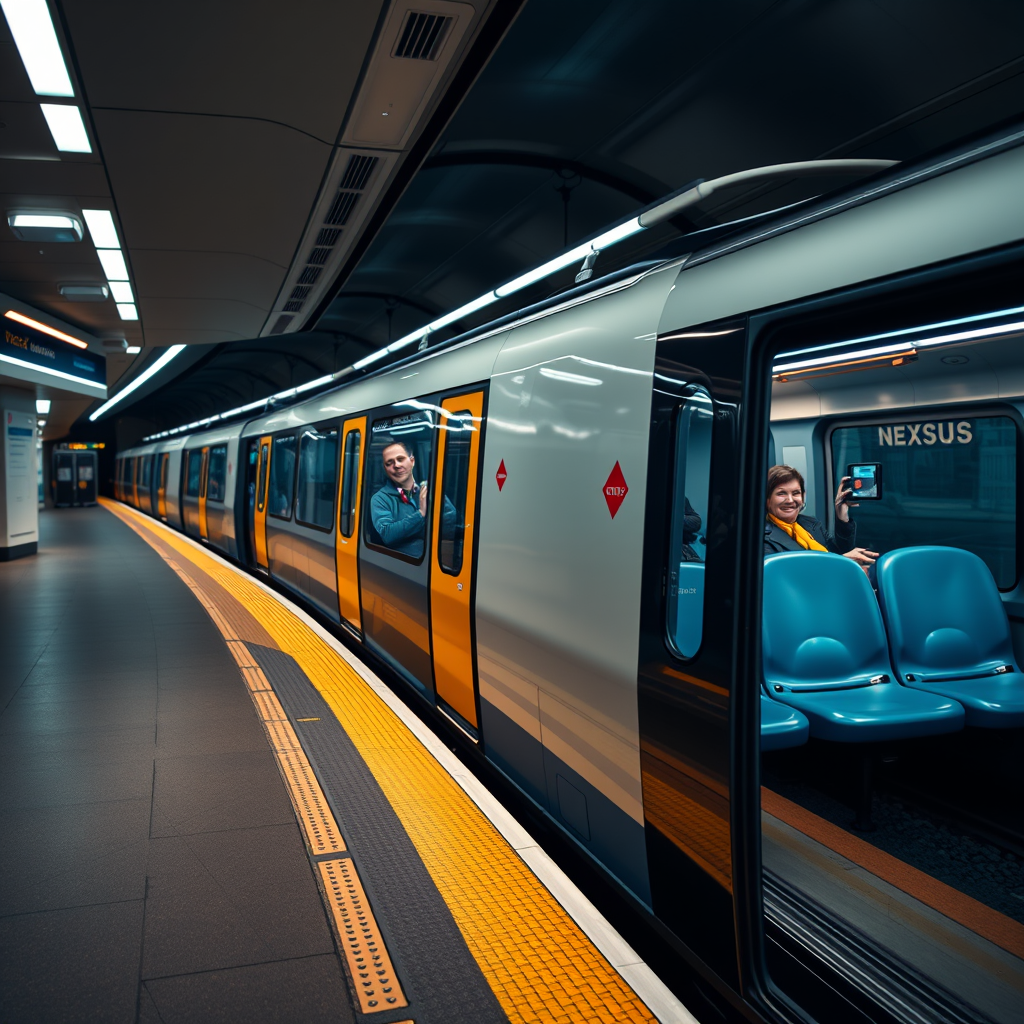
This article explores the significant upgrade to the Tyne and Wear Metro system in North East England, focusing on the introduction of the new Stadler Class 555 trains. The £362 million (approximately $380 million USD) fleet renewal program represents a substantial investment in modernizing the region’s public transport infrastructure. This modernization goes beyond simply replacing older rolling stock; it signifies a commitment to enhanced passenger experience, improved accessibility, and the integration of advanced technologies. We will examine the key features of the new trains, the logistical challenges involved in their deployment, and the long-term implications for the Tyne and Wear Metro and its commuters. Additionally, we will analyze the strategic partnerships involved, the maintenance agreements, and the overall economic impact of this substantial undertaking. Finally, the article considers the wider implications for future railway modernization projects across the UK and potentially internationally, drawing parallels and highlighting best practices.
The Arrival of the Stadler Class 555 Trains
The Tyne and Wear Metro’s fleet modernization program, spearheaded by Nexus, the regional transport authority, marks a pivotal moment in the region’s public transport history. The introduction of 46 new five-car Stadler Class 555 trains represents a considerable investment aimed at improving the overall passenger experience. These trains, featuring linear seating, numerous mobile charging points, and sophisticated climate control systems, offer a marked improvement over their predecessors. The incorporation of 44 digital CCTV cameras enhances passenger security and contributes to a safer travel environment. Importantly, these trains reflect significant investment in accessibility features, incorporating automatic sliding steps for seamless boarding and dedicated spaces for wheelchairs, luggage, and bicycles. The first train entered passenger service in December 2024, after extensive testing and crew training, marking a significant milestone in the project.
Technological Advancements and Passenger-Centric Design
Beyond the immediate improvements in comfort and accessibility, the Class 555 trains showcase advancements in railway technology. The integration of advanced battery technology not only enhances the overall operational efficiency but also potentially reduces reliance on the existing overhead line infrastructure in specific sections. The incorporation of linear seating significantly increases usable space, directly addressing feedback gathered during a public consultation which yielded over 23,000 responses. This passenger-centric design approach underscores Nexus’ commitment to creating a transport system that meets the needs of its commuters. The improved technology translates to increased operational efficiency, reduced maintenance, and potentially longer operational lifespans compared to the older rolling stock.
Maintenance and Long-Term Partnerships
The success of any major infrastructure project relies heavily on robust maintenance strategies and long-term partnerships. Stadler, the Swiss train manufacturer, is not simply supplying the trains; they’ve also secured a 35-year full-service maintenance contract. This significant commitment ensures ongoing support for the new fleet, mitigating risks associated with unforeseen technical issues and maximizing the trains’ lifespan. This approach offers a predictable cost model for Nexus, allowing for better budget allocation and long-term planning. This partnership also has wider economic benefits including job creation within the local supply chain and support for local communities.
Economic and Societal Impact
The £362 million investment extends far beyond the acquisition of new trains. The program generates significant economic activity, creating jobs within the manufacturing, delivery, and maintenance sectors. The improved public transport infrastructure enhances the region’s attractiveness for businesses and residents, contributing to overall economic growth. Beyond the economic benefits, the improved accessibility features foster greater social inclusion, ensuring that the Tyne and Wear Metro system serves all members of the community effectively. The investment reflects a commitment to sustainable transportation, which reduces reliance on private vehicles and promotes environmentally friendly commuting options.
Conclusion
The launch of the Stadler Class 555 trains marks a transformative moment for the Tyne and Wear Metro. This significant investment in modern rolling stock not only upgrades the passenger experience with improved comfort, accessibility, and technology but also signals a long-term commitment to sustainable and efficient public transport. The meticulous planning, passenger-centric design, and robust maintenance strategy demonstrate a holistic approach to infrastructure development. The successful collaboration between Nexus and Stadler highlights the importance of strong partnerships in delivering complex infrastructure projects. The long-term maintenance contract minimizes risks and ensures the longevity of the investment. The economic and societal benefits extend beyond the immediate impact, fostering job creation, improving social inclusion, and supporting sustainable transportation initiatives. This case study sets a strong precedent for future railway modernization efforts, illustrating the transformative potential of strategically planned and effectively executed upgrades to public transport systems. The success of the Tyne and Wear Metro’s fleet renewal program offers valuable lessons for other regions considering similar investments, emphasizing the critical balance between technological advancement, passenger-centric design, and strategic partnerships. Ultimately, the project demonstrates the potential for significant positive impacts on the economic and social fabric of a region through thoughtful investment in its public transport infrastructure.

Railway infrastructure, rolling stock and transport technologies specialist focused on global rail industry developments, high-speed rail systems, signaling technologies and freight transportation. Covering railway investments, public transport modernization, rail operations and international mobility projects across Europe, Asia and North America.
RELATED POSTS

October 8, 2026 1:15 pm
Alstom secured a €1bn contract to build 13 automated trains,...

October 1, 2026 7:09 am
United States regulators confirmed a September 30 deadline for the...

October 8, 2026 12:18 pm
Siemens Mobility signed an agreement with VinSpeed to supply 350...

October 4, 2026 5:14 pm
Alstom secured a CA$4.7 billion order from VIA Rail Canada...

October 5, 2026 6:12 pm
AECOM and Jacobs secured a contract in September 2026 to...

October 4, 2026 11:08 pm
Sound Transit confirmed the September 30 opening of Seattle Pinehurst...