
Granada Metro Expands: CAF’s New Light Rail Vehicles
The Granada Metro expansion underscores the growing demand for higher capacity light rail vehicles to meet increasing ridership needs, with CAF’s contract delivering eight new LRVs that enhance operational flexibility and passenger capacity during peak hours, reflecting advancements in modern railway technology.
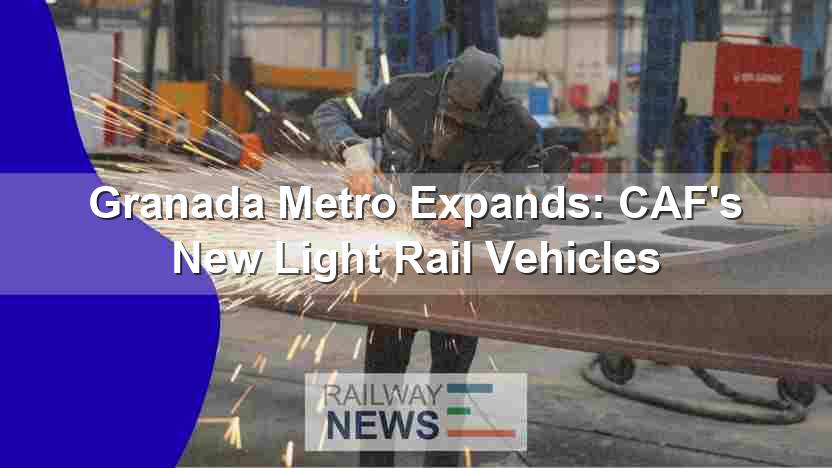
This article examines the recent contract awarded to Construcciones y Auxiliar de Ferrocarriles (CAF) for the delivery of new rolling stock to Metro de Granada (Granada Metro) in Spain, and places this within the broader context of current trends in light rail transit (LRT) system expansion and technological advancements. The Granada Metro expansion highlights several key aspects of modern railway system development, including the increasing demand for higher capacity rolling stock to meet growing ridership needs, the integration of new trains into existing operational systems, and the forward-thinking approach of planning for future network expansion. The article will further analyze the technological aspects of the new trains, discussing their impact on passenger capacity and operational efficiency, and will explore CAF’s expanding role in the European railway market, evidenced by their concurrent contract for battery-electric multiple units (BEMUs) in Germany. The overall aim is to provide an in-depth understanding of the factors driving the growth of urban rail systems and the technological innovations shaping the future of railway transportation.
Granada Metro’s Expansion: Increased Capacity and Operational Efficiency
CAF’s contract with Granada Metro involves the delivery of eight new light rail vehicles (LRVs) to supplement the existing fleet of 15 units. This expansion directly addresses the rising demand for public transportation in Granada. The new LRVs, with a capacity of 221 passengers each, significantly increase the system’s overall passenger carrying capacity. The ability to operate double-train consists during peak hours further enhances this capacity, providing a crucial flexibility to meet fluctuating passenger demand, especially during events or seasonal changes. This strategic move highlights the importance of efficient capacity planning in modern LRT systems. The 22-month delivery timeframe also indicates effective project management and integration within the existing operational schedule of the Granada Metro.
Technological Advancements in Light Rail Vehicles
The new LRVs for Granada Metro are not simply an increase in numbers; they represent a continued investment in modern railway technology. While specific technological details are limited in the provided information, the inherent characteristics of new rolling stock often include improvements in areas such as energy efficiency, passenger comfort, and safety features. The fact that these trains are being added to an existing system underscores the importance of seamless integration – new rolling stock must be compatible with existing infrastructure and signaling systems to ensure smooth operations. This compatibility necessitates careful planning and potentially adjustments to existing systems to accommodate the new trains.
CAF’s Expanding Role in the European Railway Market
The Granada Metro contract is just one piece of CAF’s expanding presence in the European railway sector. The concurrent contract for 63 BEMUs in Germany demonstrates the company’s growing market share and its success in providing diverse rolling stock solutions. The German contract, encompassing both 45m and 55m long units, highlights CAF’s ability to tailor its offerings to specific customer needs and operational requirements. The inclusion of battery-electric technology points toward a broader trend in the industry towards sustainable and environmentally friendly transportation solutions.
Sustainable Transportation and Future Network Expansion
The expansion of the Granada Metro network is not solely focused on addressing current needs; it also incorporates a forward-looking perspective. The increased rolling stock capacity is explicitly linked to plans for future expansions of the network. This strategic foresight ensures that the system can accommodate future growth and evolving transportation demands within Granada. The use of electric traction, although not explicitly stated for the Granada LRVs, aligns with a global shift toward sustainable transportation solutions, reducing reliance on fossil fuels and minimizing environmental impact. This environmental consciousness is increasingly crucial in modern infrastructure planning.
Conclusions
The CAF contract with Granada Metro signifies more than just the delivery of eight new light rail vehicles; it represents a key step in enhancing the city’s public transportation system and signifies broader trends within the railway industry. The increased capacity, operational efficiency, and planned network expansion demonstrate a proactive approach to meeting the evolving transportation needs of a growing city. The integration of new rolling stock into existing infrastructure highlights the importance of effective project management and technological compatibility. Additionally, CAF’s success in securing both the Granada and German contracts underlines its position as a major player in the European railway market, showcasing its ability to provide innovative and sustainable solutions. The concurrent focus on capacity expansion, technological advancement, and environmental sustainability positions Granada’s rail system for future growth and positions CAF as a leader in the evolution of railway transportation. The success of these projects sets a precedent for other urban centers facing similar challenges of increasing ridership and the need for sustainable and efficient public transit options. The future of urban rail systems undoubtedly lies in the integration of cutting-edge technologies, efficient capacity management, and a strong commitment to environmental responsibility, all of which are demonstrated in the examples discussed in this article.

Railway infrastructure, rolling stock and transport technologies specialist focused on global rail industry developments, high-speed rail systems, signaling technologies and freight transportation. Covering railway investments, public transport modernization, rail operations and international mobility projects across Europe, Asia and North America.
RELATED POSTS

September 5, 2026 4:19 pm
CPK launched formal tender talks with four consortia to design...

September 5, 2026 7:14 pm
HS2 Ltd signed renegotiated civils contracts with EKFB and Align...

September 6, 2026 4:12 am
Alstom delivered the first of 100 new G Class trams...
September 6, 2026 8:17 am
DB InfraGO reopened the Nuremberg-Regensburg line in Bavaria on 31...
September 5, 2026 6:17 pm
Universal Signalling won a deal to install its U-Cross system...
September 6, 2026 12:20 pm
Indian Railways ordered a probe after a fire destroyed 2...