
Siemens, Mitsubishi: SiC Powering Green Rail
This article discusses how Siemens Mobility and Mitsubishi Electric collaborated to integrate Silicon Carbide power semiconductor technology into railway vehicles, specifically trams and high-speed trains, aiming to meet the European Green Deal’s ambitious climate neutrality targets by 2050 through substantial energy savings and reduced carbon emissions.
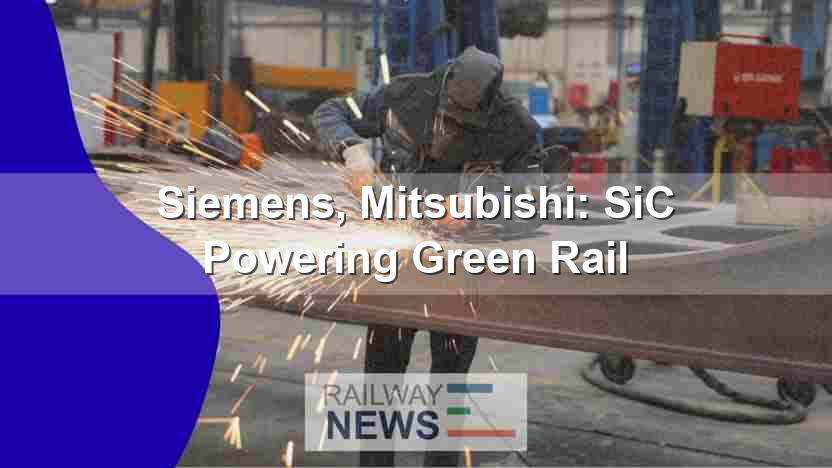
This article explores the significant advancements in railway drive system efficiency driven by the collaboration between Siemens Mobility and Mitsubishi Electric. The core focus is on the integration of Silicon Carbide (SiC) power semiconductor technology within railway vehicles, ranging from trams to high-speed trains. This technological leap is crucial in meeting the ambitious environmental targets set by the European Green Deal, which aims for climate neutrality by 2050. The adoption of SiC promises substantial energy savings and a considerable reduction in carbon emissions from the rail sector, a key contributor to overall transportation sustainability. This partnership highlights a broader trend in the railway industry – the move towards more efficient, sustainable, and environmentally friendly technologies to meet the growing demand for greener transportation solutions. The following sections will delve into the specifics of this collaboration, its implications for the future of rail transport, and the wider impact on the global effort to combat climate change.
The European Green Deal and the Rail Industry’s Role
The European Union’s (EU) ambitious European Green Deal mandates a significant reduction in greenhouse gas emissions, aiming for climate neutrality by 2050. This ambitious goal necessitates a transformation across various sectors, and the rail industry is pivotal in achieving these targets. The rail sector, already relatively efficient compared to road transport, can further enhance its sustainability profile through technological innovation. The use of advanced power semiconductors such as SiC presents a critical pathway to meeting the EU’s stringent emission reduction goals by 2030 and ultimately achieving climate neutrality by 2050. The regulatory pressures exerted by the Green Deal are driving significant investment in research and development within the rail industry, making collaborations like the Siemens-Mitsubishi partnership even more important.
Silicon Carbide (SiC) Technology: A Game Changer for Railway Drive Systems
Power semiconductors are essential components in railway traction systems. Traditional silicon-based semiconductors have been widely used, but their limitations in terms of efficiency and switching speed hinder further improvements in energy consumption and overall performance. Silicon Carbide (SiC) offers a significant advancement. SiC’s superior properties, including higher switching frequencies, lower on-resistance, and greater temperature tolerance, result in improved energy efficiency, reduced system size, and increased power density. These advantages translate directly into substantial energy savings and a reduction in the overall carbon footprint of railway operations. The use of SiC in traction inverters, a key component of the drive system, is particularly impactful.
The Siemens-Mitsubishi Collaboration: A Strategic Partnership for Sustainable Rail
Siemens Mobility’s partnership with Mitsubishi Electric signifies a strategic move towards leveraging SiC technology for enhanced railway drive systems. Mitsubishi Electric’s expertise in SiC power modules, specifically their 3300V modules, offers a readily available and high-performance solution for integration into Siemens’ rolling stock. This collaboration allows Siemens to integrate advanced SiC technology into their existing platforms, such as the battery-powered Mireo Plus B train, enabling electrification of non-electrified lines and further enhancing its overall efficiency. The standardization of the LV100 package ensures ease of integration and scalability, making the technology suitable for a wide range of railway applications.
Implications and Future Outlook for Sustainable Rail Transportation
The successful integration of SiC technology in railway systems represents a significant step towards a more sustainable future for rail transportation. The combined expertise of Siemens and Mitsubishi is not only improving the efficiency of existing systems but is also paving the way for future innovations. This partnership underscores a broader trend within the rail industry of embracing innovative technologies to meet environmental challenges. The potential for energy savings and emission reductions is considerable. Further research and development in SiC technology, coupled with strategic collaborations within the industry, will accelerate the adoption of these advanced technologies across the global rail network, leading to a significant reduction in the environmental impact of rail travel and contributing to a greener transportation sector as a whole. The advancements shown through this partnership will drive a wave of innovation throughout the industry, prompting other manufacturers to pursue similar technological upgrades to meet the growing demands for environmentally conscious transportation.
Conclusions
To summarize, the Siemens and Mitsubishi Electric collaboration exemplifies the railway industry’s proactive response to the global imperative for sustainable transportation. The integration of Mitsubishi Electric’s cutting-edge Silicon Carbide (SiC) power modules into Siemens Mobility’s railway drive systems marks a significant leap towards energy efficiency and reduced carbon emissions. This partnership directly addresses the challenges presented by the European Green Deal’s ambitious climate neutrality targets. The use of SiC technology, with its enhanced performance characteristics compared to traditional silicon-based semiconductors, promises substantial energy savings and a smaller environmental footprint for railway operations. The strategic focus on standardized packaging (LV100) facilitates widespread adoption and scalability across diverse railway applications. The successful implementation of SiC in Siemens’ battery-powered Mireo Plus B train further underscores the potential for electrifying non-electrified lines, furthering the sustainability goals of the rail industry. Beyond the immediate benefits, this collaboration sets a precedent for future innovations in railway technology, driving the industry towards a greener and more efficient future. The long-term impact on the global effort to combat climate change through decreased reliance on fossil fuels in the transportation sector is significant, highlighting the importance of technological advancements and strategic partnerships in achieving a sustainable transport future. The success of this venture suggests a trend of increased collaboration and technological innovation within the rail industry, potentially accelerating the adoption of environmentally friendly technologies worldwide.

Railway infrastructure, rolling stock and transport technologies specialist focused on global rail industry developments, high-speed rail systems, signaling technologies and freight transportation. Covering railway investments, public transport modernization, rail operations and international mobility projects across Europe, Asia and North America.
RELATED POSTS

September 5, 2026 4:19 pm
CPK launched formal tender talks with four consortia to design...

September 5, 2026 7:14 pm
HS2 Ltd signed renegotiated civils contracts with EKFB and Align...

September 6, 2026 4:12 am
Alstom delivered the first of 100 new G Class trams...
September 5, 2026 6:17 pm
Universal Signalling won a deal to install its U-Cross system...
September 6, 2026 8:17 am
DB InfraGO reopened the Nuremberg-Regensburg line in Bavaria on 31...
September 6, 2026 12:20 pm
Indian Railways ordered a probe after a fire destroyed 2...