
Elizabeth Line’s 5G Revolution: A Global Model for Rail
The Elizabeth line’s successful deployment of 5G technology represents a groundbreaking advancement in mobile connectivity for urban rail systems, overcoming engineering challenges to enhance passenger experience and safety.
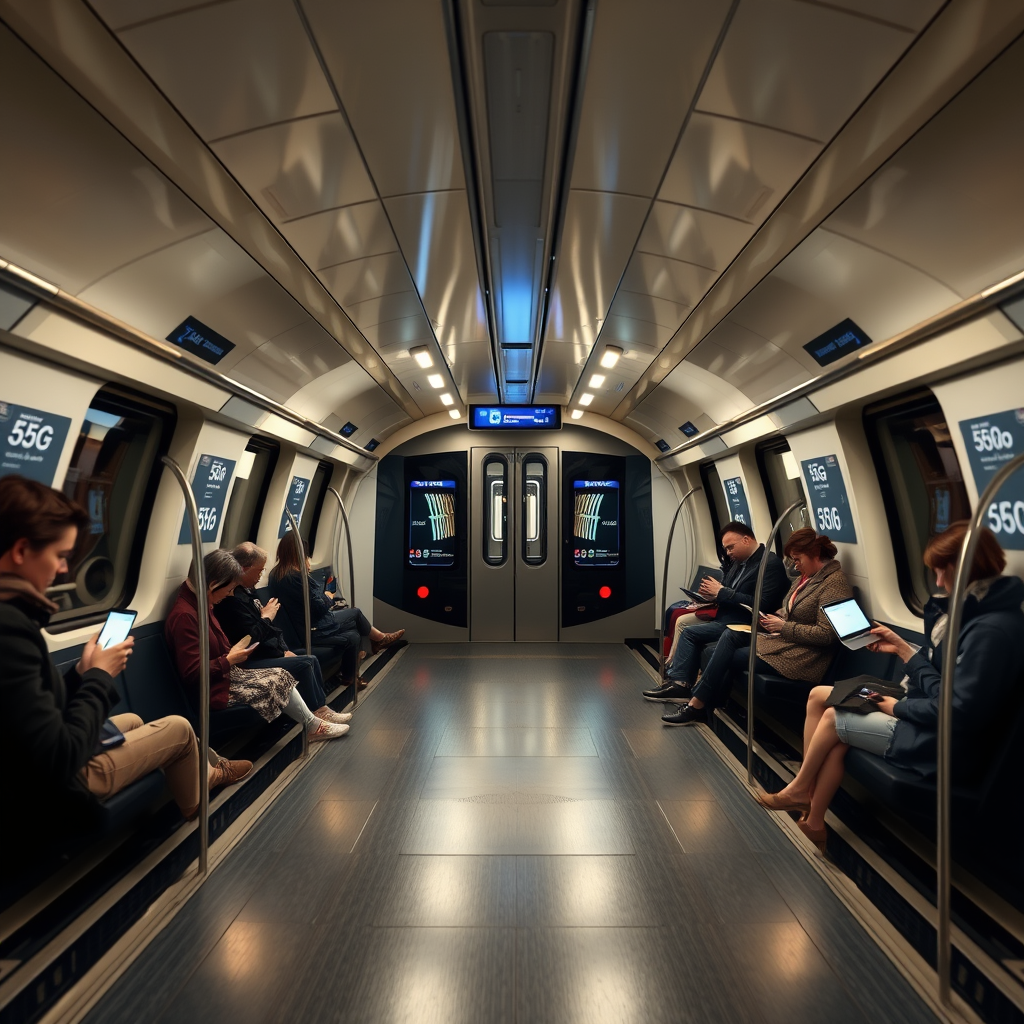
This article explores the significant advancement in mobile connectivity on London’s Elizabeth line (formerly Crossrail), focusing on the implementation of 5G technology within its tunnels. The project, a collaboration between Transport for London (TfL) and Boldyn Networks, represents a substantial improvement in passenger experience and safety, setting a precedent for future rail network upgrades across the globe. The rollout, starting with the Paddington to Liverpool Street section, demonstrates the feasibility of deploying high-speed mobile networks in challenging subterranean environments. Additionally, this initiative showcases the potential of integrating advanced Intelligent Transportation Systems (ITS) within existing rail infrastructure, not only enhancing passenger comfort but also bolstering emergency response capabilities. The wider implications for urban transit systems and the potential for similar projects in other major cities worldwide will be discussed in detail.
5G Deployment on the Elizabeth Line: A Technological Feat
The successful installation of 5G infrastructure along the five-mile section of the Elizabeth line between Paddington and Liverpool Street marks a crucial milestone. This achievement overcomes significant engineering challenges inherent in deploying mobile networks within the confined and complex environment of underground tunnels. The project involved the installation of a substantial fibre optic backbone, facilitating high-speed data transmission necessary for reliable 5G connectivity. Boldyn Networks, TfL’s partner in this undertaking, leveraged their expertise in deploying complex network infrastructure to navigate these challenges and deliver seamless connectivity to passengers even when traveling through tunnels. The completion of this initial phase lays the groundwork for extending 5G coverage across the entire Elizabeth line and ultimately, other lines within the London Underground network.
Integrating 5G with Existing Rail Infrastructure: Addressing Challenges and Opportunities
Integrating advanced communication technologies like 5G into existing rail infrastructure presents numerous challenges. These include ensuring signal integrity within the metallic confines of tunnels, addressing power supply requirements for the network equipment, and managing the logistical complexities of installing extensive cabling in operational environments. Overcoming these challenges requires a coordinated approach involving careful planning, specialized equipment, and efficient project management, with much of the work undertaken during overnight closures to minimize disruption to train services. The successful implementation on the Elizabeth line demonstrates the capacity to overcome these hurdles. Further, this integration opens opportunities for improved train control systems, enhanced passenger information systems, and the seamless integration of other ITS functionalities.
Broader Implications for Urban Rail Systems and Emergency Services
The benefits of widespread mobile connectivity on London’s Underground extend far beyond enhanced passenger experience. The improved network will significantly facilitate the Emergency Services Network (ESN), enabling first responders to access critical data and information in emergency situations. This improved communication capability within the confined space of tunnels can be a life-saver. The 5G network also promises improved data collection for predictive maintenance and operational efficiency improvements across the network. This project serves as a model for other cities seeking to upgrade their urban rail systems, demonstrating the practical applications and potential benefits of integrating advanced technologies into existing infrastructure.
Conclusion: A Paradigm Shift in Urban Rail Technology
The implementation of 5G connectivity on the Elizabeth line signifies a significant technological leap for urban rail systems. The project’s success, driven by the partnership between TfL and Boldyn Networks, showcases the feasibility and benefits of deploying advanced communication technologies in challenging subterranean environments. The integration of 5G not only enhances passenger experience by providing seamless mobile connectivity throughout journeys, but also significantly improves safety by facilitating better communication for both passengers and emergency services. The extensive fiber optic network, a crucial element of the project, also lays the foundation for future expansion and integration of advanced ITS functionalities. The experience gained from this project is invaluable, and its success serves as a strong impetus for similar initiatives in other cities globally. The detailed approach taken, involving collaboration with all major UK mobile network operators (Three UK, EE, Vodafone, and Virgin Media O2 (VMO2)), guarantees wide access and ensures future-proofing of the network. The positive feedback from TfL’s Youth Panel further highlights the significance of improved connectivity for young users, improving accessibility and safety. This holistic approach, encompassing technological advancements, enhanced safety measures, and improved user experience, underlines the transformative potential of integrating advanced technologies into existing rail infrastructure and promises a significant paradigm shift in how we approach the future of urban rail transportation. Ultimately, the Elizabeth line project offers a blueprint for cities worldwide seeking to modernize their transportation networks and enhance the travel experience for millions.

Railway infrastructure, rolling stock and transport technologies specialist focused on global rail industry developments, high-speed rail systems, signaling technologies and freight transportation. Covering railway investments, public transport modernization, rail operations and international mobility projects across Europe, Asia and North America.
RELATED POSTS

September 5, 2026 4:19 pm
CPK launched formal tender talks with four consortia to design...

September 5, 2026 7:14 pm
HS2 Ltd signed renegotiated civils contracts with EKFB and Align...

September 6, 2026 4:12 am
Alstom delivered the first of 100 new G Class trams...
September 5, 2026 6:17 pm
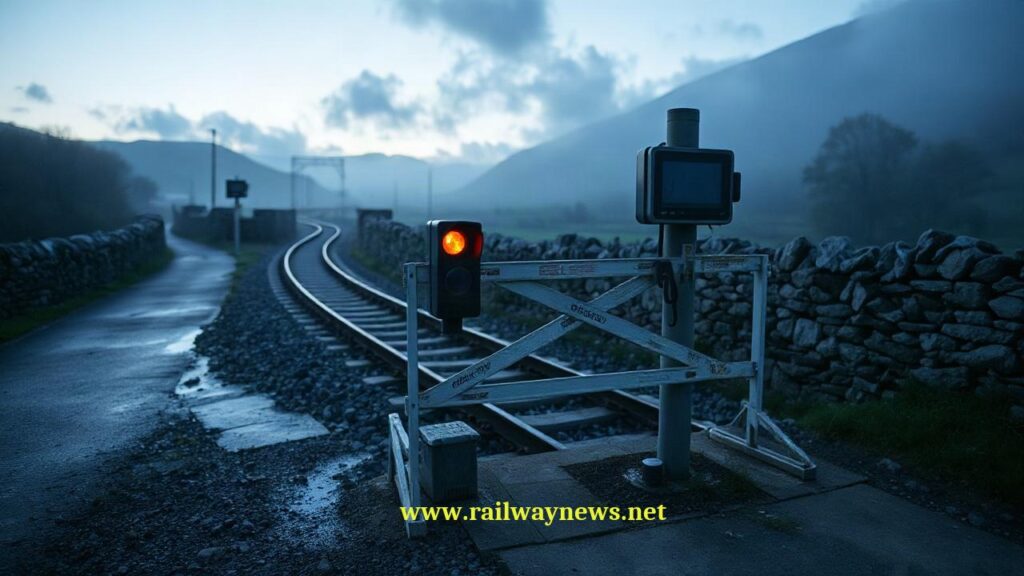
Universal Signalling won a deal to install its U-Cross system...
September 6, 2026 8:17 am
DB InfraGO reopened the Nuremberg-Regensburg line in Bavaria on 31...
September 6, 2026 12:20 pm
Indian Railways ordered a probe after a fire destroyed 2...