
Maine Rail Line Acquisition: EMR Expands Network
The acquisition of approximately 36.57 miles of rail line and nine miles of branch lines by the Eastern Maine Railway Company (EMR) from the Central Maine & Quebec Railway (CMQR), a subsidiary of Canadian Pacific (CP), represents a significant strategic move for EMR, expanding its operational reach in Maine and potentially influencing regional freight transportation dynamics through enhanced connectivity.
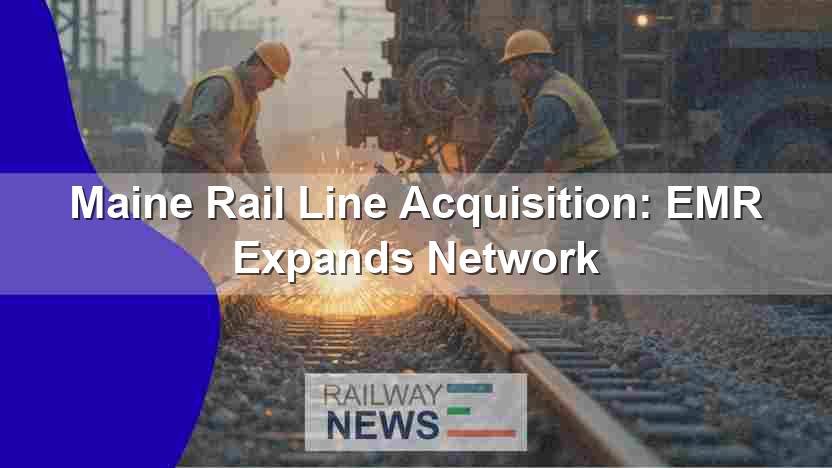
This article analyzes the recent acquisition of approximately 45 miles of rail line in Maine by the Eastern Maine Railway Company (EMR), a Class III common carrier, from the Central Maine & Quebec Railway (CMQR), a subsidiary of Canadian Pacific (CP). This transaction, involving both mainline and branch line segments, represents a significant strategic move for EMR, expanding its operational reach and potentially influencing the regional freight transportation landscape. We will examine the implications of this acquisition, considering its impact on operational efficiency, competitive dynamics, and regulatory compliance within the context of the existing rail network in Maine. The analysis will explore the intricacies of the deal, including the acquisition of associated track infrastructure, existing trackage rights, and the regulatory framework under which the transaction was approved. Finally, we will consider the potential long-term effects of this acquisition on the regional economy and future infrastructure development.
Acquisition Details and Geographic Scope
EMR’s acquisition encompasses approximately 36.57 miles of mainline track between milepost 109 (Grindstone, Penobscot County) and milepost 72.43 (near Brownville, Piscataquis County), along with nine miles of branch lines. These branch lines include the East Millinocket branch (milepost 0.0 to 7.72) and a portion of the Millinocket branch (1.2 miles from milepost 104.65). The acquisition also includes all associated yards, spurs, and sidings along the mainline segment. Importantly, EMR is also securing incidental trackage rights (the right to use a portion of another railroad’s track) on CMQR between milepost 72.43 and the connection point with an existing EMR line near Brownville Junction. This strategic acquisition of incidental trackage rights significantly enhances EMR’s operational flexibility and connectivity within the regional rail network.
Existing Trackage Rights and Regulatory Compliance
The Maine Northern Railway Company (MNRC) currently holds overhead trackage rights (the right to operate trains over a section of track owned by another railway) on the acquired line. EMR’s acquisition is subject to these pre-existing rights. The transaction proceeded under a verified notice of exemption filed under 49 CFR 1150.41, indicating compliance with relevant regulations. Significantly, EMR certified that the acquisition would not restrict future interchange with other connecting carriers and that its projected annual revenue would remain below the Class III carrier revenue threshold of $5 million. This careful adherence to regulatory requirements underscores EMR’s commitment to transparent and compliant business practices.
Strategic Implications for EMR and Regional Rail Transportation
This acquisition represents a significant expansion of EMR’s operational territory and infrastructure. The added mileage, combined with the secured incidental trackage rights, allows for improved operational efficiency and potentially opens new opportunities for freight transportation within the region. The integration of these additional rail segments might enable EMR to offer more competitive service options, impacting the regional freight market dynamics. Additionally, it may facilitate access to new customer bases and cargo streams, enhancing revenue generation potential and furthering EMR’s position within the regional rail landscape.
Conclusion
The acquisition of the CMQR rail line by EMR is a strategically significant event in the Maine rail transportation sector. The deal, encompassing approximately 45 miles of track including mainline and branch lines, along with associated infrastructure and incidental trackage rights, represents a substantial expansion for EMR’s network. The transaction’s compliance with 49 CFR 1150.41, along with EMR’s certifications regarding interchange and revenue projections, highlights a commitment to regulatory compliance. This acquisition has the potential to improve operational efficiency, enhance competitive offerings, and open new revenue streams for EMR, thereby impacting the regional freight transportation landscape. The integration of this additional infrastructure may lead to improved service and access to new markets. However, the success of this acquisition will depend on effective integration of the acquired assets into EMR’s existing operations, efficient management of existing trackage rights held by MNRC, and a continued focus on delivering competitive and reliable rail services to regional customers. The long-term implications of this acquisition remain to be seen, but it presents a compelling case study of strategic expansion within the competitive dynamics of the regional rail industry.

Railway infrastructure, rolling stock and transport technologies specialist focused on global rail industry developments, high-speed rail systems, signaling technologies and freight transportation. Covering railway investments, public transport modernization, rail operations and international mobility projects across Europe, Asia and North America.
RELATED POSTS

October 1, 2026 7:09 am
United States regulators confirmed a September 30 deadline for the...

October 4, 2026 5:14 pm
Alstom secured a CA$4.7 billion order from VIA Rail Canada...
October 1, 2026 10:14 am
HS2 installed a 55-metre steel span in Birmingham, completing phase...

October 1, 2026 11:14 pm
CATS confirmed a six-mile streetcar route in Charlotte to add...
October 1, 2026 11:13 am
Norfolk Southern expanded its 3B Corridor in Alabama in 2025,...
October 1, 2026 1:12 pm
CSX expanded Queensgate Yard in Cincinnati by installing 42 power...