
HS2’s Mega TBMs: Digging London’s Future
The deployment of Tunnel Boring Machines (TBMs) for the HS2 project in West London represents a significant milestone, impacting both the timeline and the broader British economy through job creation and infrastructure investment.

The following article explores the significant advancements in the High Speed Two (HS2) project in the UK, specifically focusing on the deployment of Tunnel Boring Machines (TBMs) for the creation of crucial tunnel infrastructure in West London. The deployment of these massive machines represents a critical milestone in the project, impacting not only the project’s timeline but also the wider British economy through job creation and investment in infrastructure. This exploration will examine the engineering challenges involved in constructing these tunnels, the logistical complexities of managing such a large-scale operation, and the broader economic and societal implications of HS2’s progress. We will consider the role of these TBMs, the specifications of the tunnel construction, and the overall contribution to the ambitious goal of establishing a high-speed rail network across Britain. Finally, the analysis will examine the long-term benefits, discussing the projected economic impact, improvements in passenger travel, and the overall contribution to the UK’s infrastructure development.
Tunnel Boring Machine Deployment and Operational Aspects
The recent launch of Caroline, the fifth TBM deployed on the HS2 project, marks a substantial step forward in the construction of the West London section of the high-speed rail line. This TBM, along with its counterpart Sushila, is responsible for excavating the five-mile twin-bore Northolt Tunnel. Caroline’s operational parameters, averaging 14 meters of excavation per day, underscore the scale and efficiency of this undertaking. The use of prefabricated concrete tunnel segment rings, manufactured by Pacadar in the UK, exemplifies the integrated approach to construction and supply chain management crucial for a project of this magnitude. The Skanska Costain STRABAG JV (SCS JV), the main works civils contractor, manages the operation of these complex machines, highlighting the significant collaboration necessary for successful execution. The meticulous planning and coordination inherent in the deployment and operation of these TBMs are critical to maintaining the project timeline and minimizing disruptions.
Engineering Challenges and Technological Advancements
Constructing tunnels of this scale presents numerous engineering challenges. The geological conditions encountered along the tunnel route require careful consideration and adaptation of the TBM’s operational parameters. Factors such as soil composition, groundwater levels, and potential obstacles demand robust engineering solutions and real-time monitoring. The precision required in aligning the twin bores, maintaining structural integrity, and ensuring the safe and efficient removal of excavated material are all critical aspects. The use of advanced technologies, including sophisticated monitoring systems and real-time data analysis, is instrumental in overcoming these challenges. Additionally, the integration of various technologies, including the precise manufacturing and installation of tunnel lining segments, highlight the advanced engineering capabilities involved in this large-scale project.
Economic Impact and Job Creation
The HS2 project is not only a significant infrastructural undertaking but also a substantial economic driver for the UK. The deployment of TBMs and the associated construction activities generate a considerable number of jobs, both directly through employment with the SCS JV and indirectly through supporting industries. The investment in infrastructure also stimulates economic growth, creating opportunities for businesses across various sectors. The long-term benefits extend to improved connectivity, increased accessibility for businesses, and the potential for regional economic development along the HS2 corridor. These economic benefits represent a substantial return on investment, illustrating the project’s significance beyond just transportation improvements.
Project Timeline and Future Stages
The current focus on the Northolt Tunnel, with the deployment of Caroline and Sushila, is part of a larger, phased approach to the construction of the HS2 network. The planned deployment of two additional TBMs in the coming year to build an additional 3.4-mile twin-bore tunnel further underscores the ambitious timeline. The completion of the 8.4-mile twin-bored tunnels between West Ruislip and Old Oak Common is a crucial step towards delivering a fully functional high-speed rail link. Successful execution of these plans hinges on the careful management of resources, skilled labor, and efficient coordination among all stakeholders involved. Thorough planning, adaptation to unforeseen circumstances, and precise execution are all critical for adhering to the overall project timeline.
Conclusions
The advancement of the HS2 project, particularly the recent launch of the Caroline TBM, signifies a major step towards the realization of Britain’s high-speed rail network. The meticulous planning and execution of this complex project, involving sophisticated engineering, precise manufacturing, and the deployment of cutting-edge technology, represent a significant achievement. The project demonstrates the importance of strategic investment in national infrastructure, not only for enhancing transportation efficiency but also for stimulating economic growth and generating employment opportunities. The successful operation of these TBMs and the subsequent completion of the tunnels are crucial to meeting the project’s timeline and realizing the anticipated economic benefits. The long-term impact of HS2 will undoubtedly shape the future of transportation and economic development in the UK, significantly improving passenger travel and facilitating regional economic growth. The focus on efficiency, safety, and economic impact underscores the project’s importance as a key component of Britain’s overall infrastructure development strategy. The successful completion of this phase will be a testament to the combined efforts of engineers, construction workers, and project managers, demonstrating the capability to deliver complex infrastructure projects on time and within budget.

Railway infrastructure, rolling stock and transport technologies specialist focused on global rail industry developments, high-speed rail systems, signaling technologies and freight transportation. Covering railway investments, public transport modernization, rail operations and international mobility projects across Europe, Asia and North America.
RELATED POSTS

September 5, 2026 4:19 pm
CPK launched formal tender talks with four consortia to design...

September 6, 2026 4:12 am
Alstom delivered the first of 100 new G Class trams...
September 5, 2026 7:14 pm
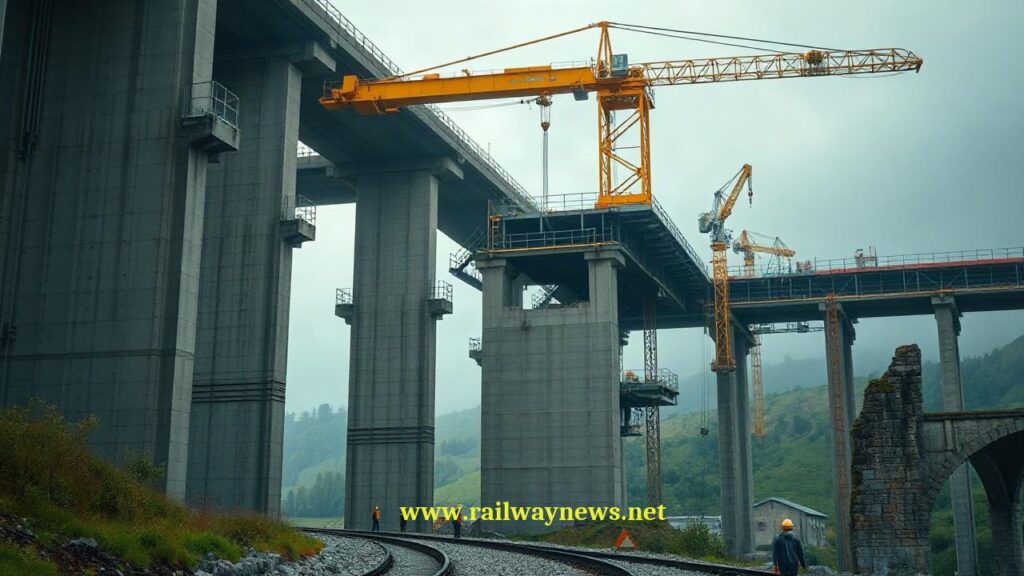
HS2 Ltd signed renegotiated civils contracts with EKFB and Align...
September 5, 2026 6:17 pm
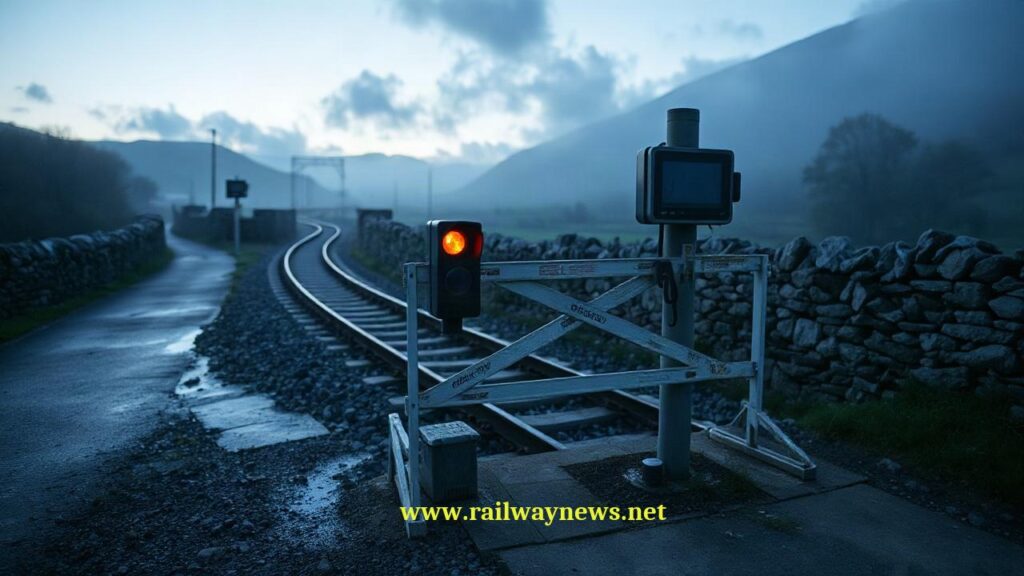
Universal Signalling won a deal to install its U-Cross system...
September 6, 2026 8:17 am
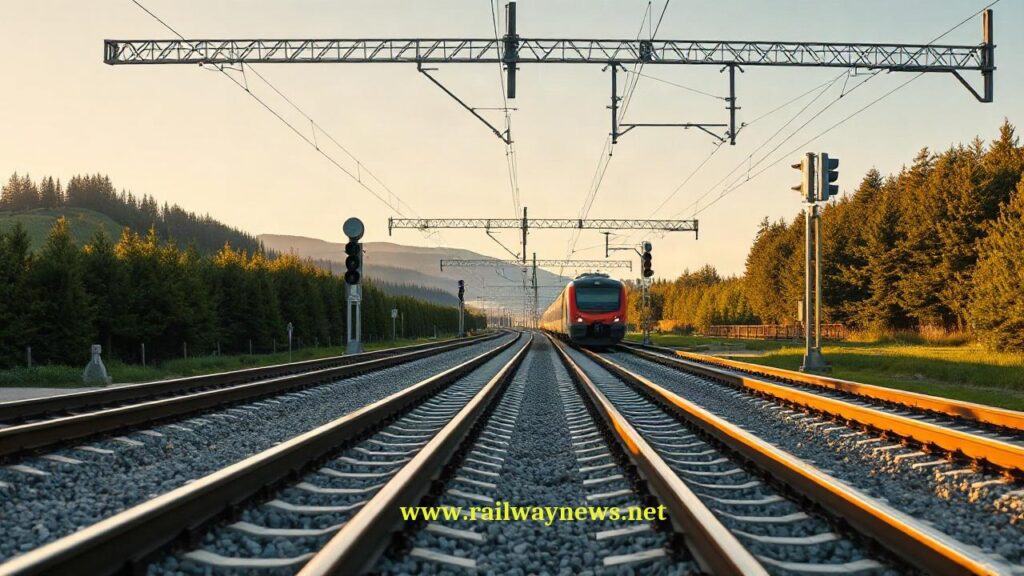
DB InfraGO reopened the Nuremberg-Regensburg line in Bavaria on 31...
September 7, 2026 11:16 pm
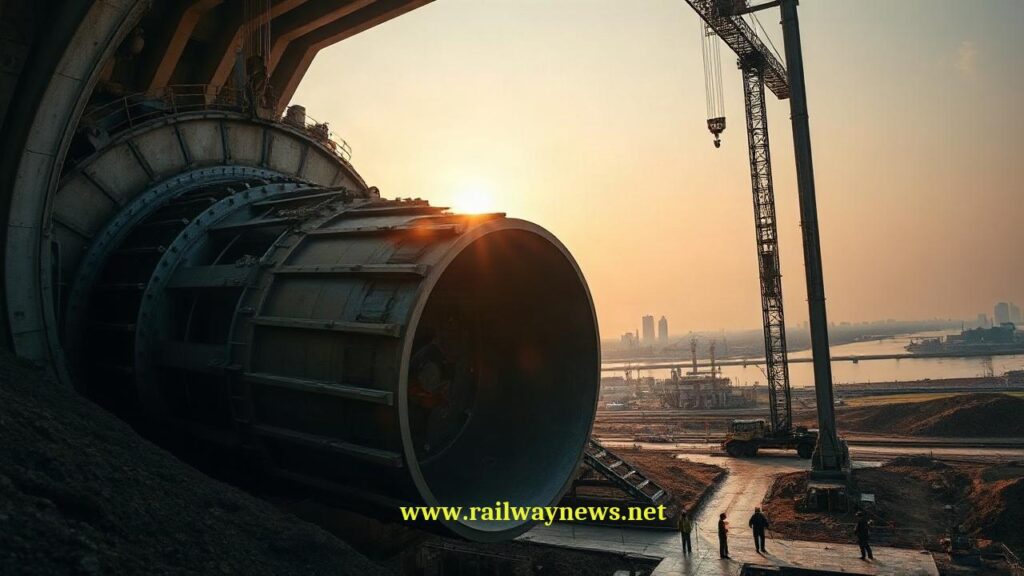
China Railway Tunnel Group completed the 11.3-km underwater Yangtze tunnel...