
Renfe Expands to UAE: A Strategic Rail Partnership
The establishment of Renfe’s first office in the United Arab Emirates represents a strategic move reflecting its ambitious international growth strategy, strengthening its presence and facilitating closer collaboration with Etihad Rail to optimize business opportunities and secure new contracts within the rapidly developing UAE rail sector.
Introduction
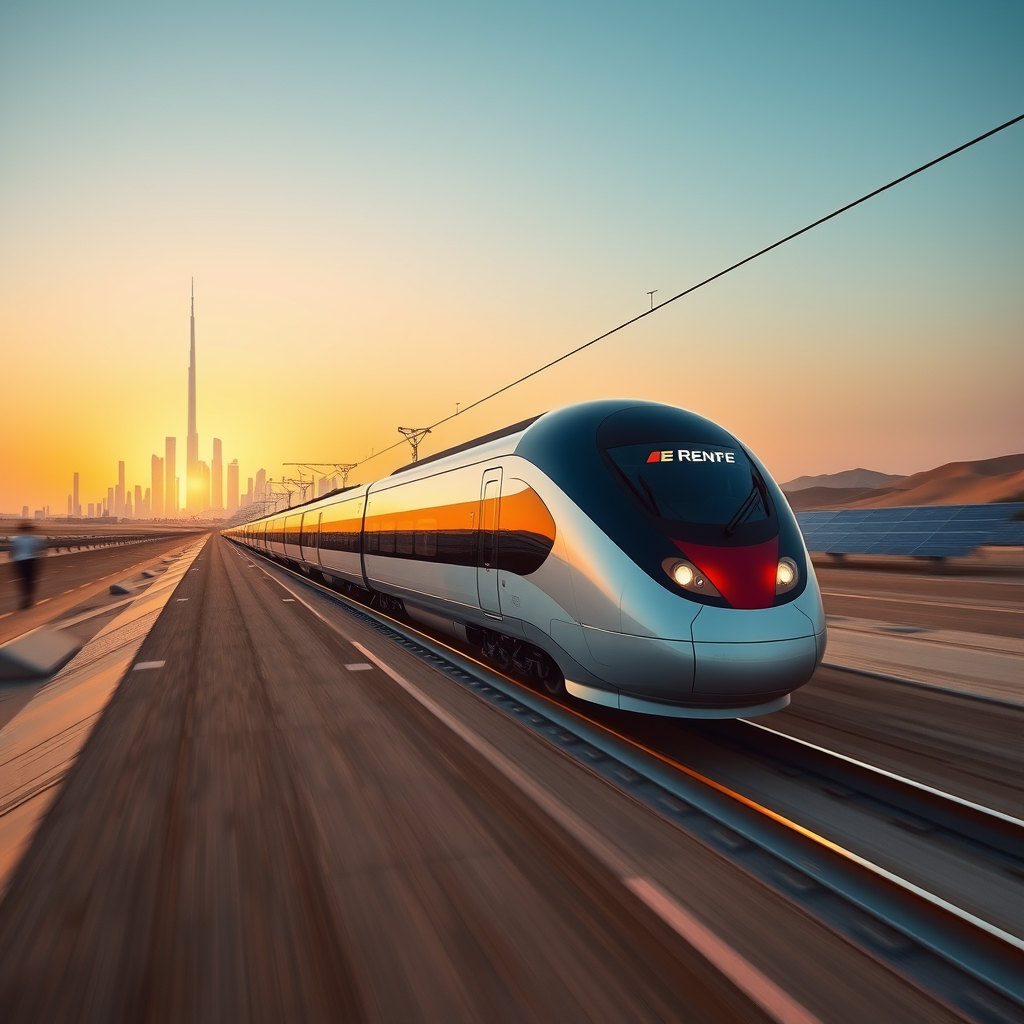
This article explores the strategic expansion of Renfe (Red Nacional de los Ferrocarriles Españoles), Spain’s national railway operator, into the United Arab Emirates (UAE) market. The opening of Renfe’s first UAE office signifies a significant milestone in the company’s internationalization strategy, building upon an existing partnership with Etihad Rail, the UAE’s national railway network. This move highlights the increasing global demand for advanced railway infrastructure and expertise, and underscores Renfe’s commitment to becoming a major player in international railway projects. The establishment of this office is not merely a physical presence; it represents a strategic investment aimed at optimizing business opportunities, securing new contracts, and fostering technological collaboration within the rapidly developing UAE rail sector. This analysis will examine the rationale behind Renfe’s expansion, its implications for the UAE’s railway infrastructure development, and the broader trends shaping the global railway industry. We will also briefly touch upon Renfe’s commitment to environmental sustainability, a crucial aspect of modern railway operations.
Renfe’s International Ambitions and the UAE Partnership
Renfe’s decision to establish a physical presence in the UAE is a strategic move reflecting its ambitious international growth strategy. The company already boasts a substantial international footprint, with offices in France and Mexico, a representative office in Brussels (Belgium), and a US subsidiary (Renfe of America) based in Texas. The UAE office significantly strengthens Renfe’s presence in the Middle East, complementing its existing operations in Saudi Arabia. This expansion is directly linked to the strong partnership formed with Etihad Rail in May 2022 through a memorandum of understanding (MOU). This MOU encompasses a broad range of collaborative activities, including the planning, design, construction, and operation of rail infrastructure, rolling stock provision and maintenance, and the integration of various transport systems. The UAE office will serve as a pivotal hub to facilitate and manage these collaborative projects, ensuring seamless execution and fostering closer collaboration.
Etihad Rail and the UAE’s Railway Development
The UAE’s railway sector is undergoing rapid development, with Etihad Rail playing a central role. While freight services have been operational since February 2023, the launch of passenger services is anticipated, though a specific timeline remains unconfirmed. A test run involving government officials and representatives from the Abu Dhabi National Oil Company (ADNOC) took place in January 2024, signifying progress towards passenger operations. Renfe’s involvement in this development is crucial. Its extensive experience in designing, building, and operating high-speed and conventional rail systems provides invaluable expertise to Etihad Rail, particularly in areas like operational efficiency, maintenance strategies, and passenger service optimization. Renfe’s presence will therefore accelerate the growth and sophistication of the UAE’s national railway network.
Environmental Considerations in Railway Operations
Modern railway operations place a strong emphasis on environmental sustainability. While the provided text mentions environmental sustainability in railway, it does not provide specific details about Renfe’s initiatives in this area. However, it’s important to note that Renfe, like many other leading railway operators globally, is likely focused on reducing its carbon footprint through various strategies. This could include transitioning to electric locomotives (reducing reliance on fossil fuels), implementing heat recycling systems within HVAC (Heating, Ventilation, and Air Conditioning) infrastructure to enhance energy efficiency, and employing sustainable materials in infrastructure construction. The successful integration of these practices will be crucial for the long-term viability and environmental responsibility of both Etihad Rail and Renfe’s operations in the UAE.
Conclusions
Renfe’s establishment of its first office in the UAE represents a significant strategic move, solidifying its position as a key player in the global railway market. The partnership with Etihad Rail provides a substantial platform for Renfe to leverage its expertise in railway infrastructure development, operations, and maintenance, contributing significantly to the UAE’s ambitious railway modernization plans. The opening of the UAE office enhances Renfe’s existing international network, showcasing its commitment to growth and collaboration on a global scale. The collaboration also highlights the growing importance of international partnerships in driving railway innovation and fostering sustainable transportation solutions. While the timeline for passenger rail services on Etihad Rail remains unclear, Renfe’s involvement ensures a high level of technical expertise and operational efficiency is incorporated into the project. Looking forward, the success of this partnership will depend on the effective integration of Renfe’s expertise with Etihad Rail’s local knowledge and resources, fostering a synergistic approach to sustainable railway development within the UAE. Additionally, the demonstrated commitment to environmental sustainability, although not explicitly detailed in the provided text, will be crucial for the long-term success and societal acceptance of this railway development.

Railway infrastructure, rolling stock and transport technologies specialist focused on global rail industry developments, high-speed rail systems, signaling technologies and freight transportation. Covering railway investments, public transport modernization, rail operations and international mobility projects across Europe, Asia and North America.
RELATED POSTS

October 8, 2026 1:15 pm
Alstom secured a €1bn contract to build 13 automated trains,...

October 1, 2026 7:09 am
United States regulators confirmed a September 30 deadline for the...

October 8, 2026 12:18 pm
Siemens Mobility signed an agreement with VinSpeed to supply 350...

October 4, 2026 5:14 pm
Alstom secured a CA$4.7 billion order from VIA Rail Canada...

October 5, 2026 6:12 pm
AECOM and Jacobs secured a contract in September 2026 to...

October 4, 2026 11:08 pm
Sound Transit confirmed the September 30 opening of Seattle Pinehurst...