
UK Rail Freight: A £1,000 Incentive to Go Green
Network Rail’s temporary waiver of track access charges (TAC) for new freight operators is a strategic incentive aimed at boosting the UK rail freight industry, targeting a 75% increase by 2050, driven by the nation’s commitment to net-zero carbon emissions. This move directly incentivizes businesses to transition from road to rail, reducing initial investment costs and making rail more competitive compared to road transport, thereby facilitating sustainable growth in the sector.
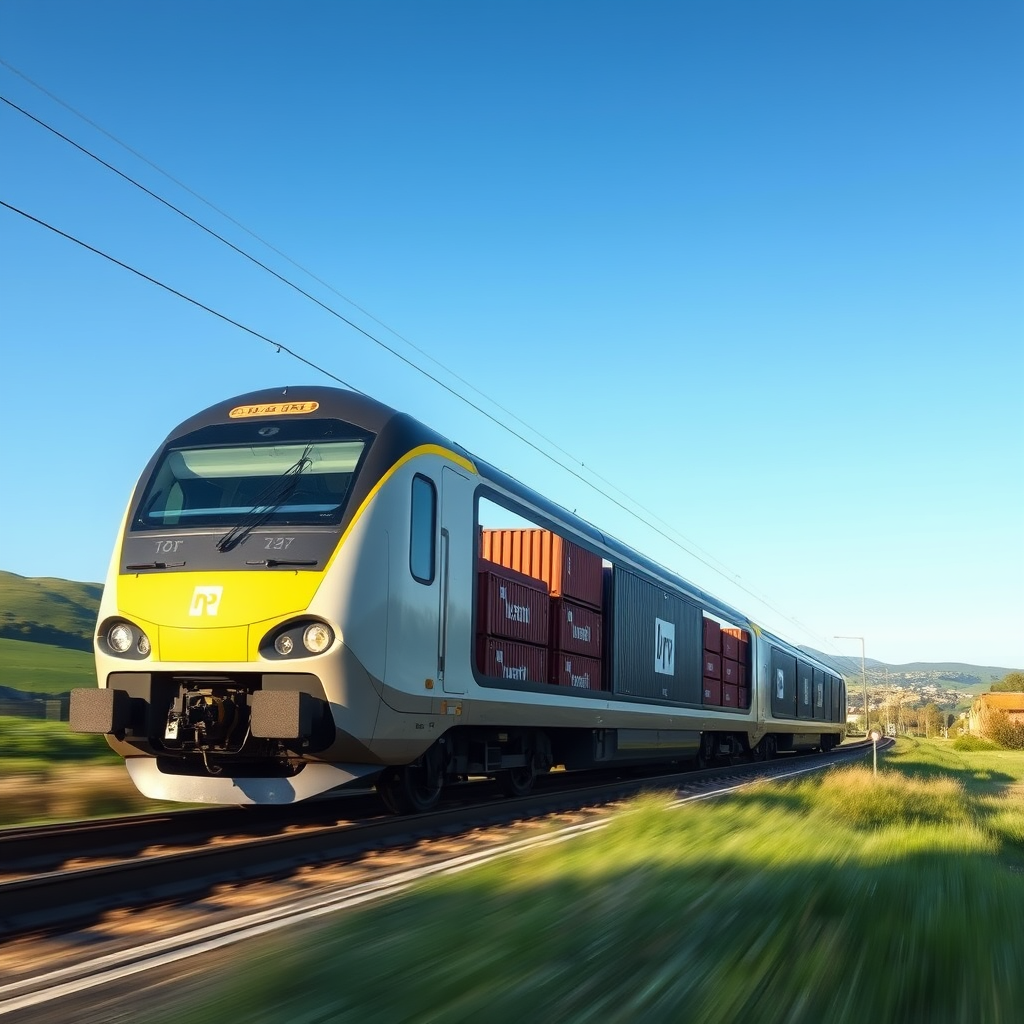
The United Kingdom is aiming for a significant expansion of its rail freight industry, targeting a 75% increase by 2050. This ambitious goal is intrinsically linked to the nation’s commitment to achieving net-zero carbon emissions by the same year. To facilitate this ambitious growth, Network Rail (NR), the UK’s rail infrastructure manager, has implemented a strategic initiative: a temporary waiver of track access charges for new freight operators. This article will delve into the rationale behind this policy, its potential impact, and the long-term implications for the UK’s freight transportation landscape. We will explore the economic incentives, the environmental benefits, and the challenges that remain in achieving sustained growth in the rail freight sector. The analysis will consider both the short-term benefits of the incentive program and the need for broader, long-term policy changes to ensure the continued shift from road to rail freight.
Incentivizing Modal Shift: A Temporary Waiver
Network Rail’s decision to waive track access charges (TAC) for six months for new freight operators is a targeted incentive designed to encourage businesses to transition from road to rail. This direct financial support, estimated at approximately £1,000 per train circulation, significantly reduces the initial barriers to entry for new operators. This move aligns with the government’s broader policy of promoting rail freight as a more sustainable and efficient alternative to road transport. The immediate impact is expected to be a surge in new rail freight operations, potentially leading to a quicker realization of the 75% growth target. The temporary nature of the waiver, however, highlights the need for longer-term solutions.
Addressing the Price Sensitivity of Haulage
The haulage industry is notoriously price-sensitive. Network Rail’s initiative directly addresses this by reducing a substantial operating cost for new entrants. By lowering the initial investment required to establish rail freight operations, the incentive scheme makes rail a more competitive option compared to road transport. This is crucial for attracting businesses that are currently reliant on road haulage, encouraging them to explore the advantages of rail, such as reduced carbon emissions and potentially improved efficiency for certain types of goods and distances. The success of this strategy will depend on effectively communicating the long-term cost savings and environmental benefits of rail transport to potential new operators.
Environmental Benefits and Long-Term Sustainability
The shift from road to rail freight offers substantial environmental advantages. Rail transport significantly reduces greenhouse gas emissions per tonne-kilometer compared to road transport. By promoting this shift, the UK government and Network Rail are making significant strides towards achieving their net-zero targets. However, the temporary nature of the incentive program raises concerns about the sustainability of the modal shift. The long-term success depends on a detailed strategy that addresses the systemic challenges facing the rail freight industry beyond the initial financial incentives. This requires a continued commitment to investment in infrastructure, efficient regulatory frameworks, and a supportive policy environment.
Challenges and the Need for a Detailed Long-Term Strategy
While Network Rail’s initiative is a positive step, Freightliner, a major rail operator, has rightly highlighted the need for long-term, sustainable policies to support growth beyond the six-month waiver. Challenges such as infrastructure capacity limitations, regulatory complexities, and competition from road haulage require sustained attention and investment. A detailed long-term strategy must address these issues through sustained government support, including investment in infrastructure upgrades, streamlining regulatory processes, and potentially introducing further long-term financial incentives or tax benefits. This will ensure the continued and accelerated growth of the rail freight sector, securing the environmental and economic benefits for the UK in the long run.
Conclusion
Network Rail’s temporary waiver of track access charges represents a significant, albeit short-term, effort to boost the UK’s rail freight industry. The initiative aims to incentivize a modal shift from road to rail, directly addressing the price sensitivity of the haulage industry and accelerating progress towards the government’s ambitious 75% growth target by 2050 and its net-zero carbon emissions goal. By reducing the initial financial burden for new operators, the program aims to make rail freight a more attractive and competitive option. However, the temporary nature of the scheme underscores the critical need for a detailed long-term strategy. This strategy must include substantial and sustained government investment in infrastructure modernization and upgrades, simplification of regulatory processes, and potentially long-term financial incentives to ensure the continued growth of rail freight and solidify its position as a sustainable and efficient mode of goods transport. Only through a combination of short-term incentives and long-term policy reforms can the UK fully realize the environmental and economic benefits of a thriving rail freight sector.

Railway infrastructure, rolling stock and transport technologies specialist focused on global rail industry developments, high-speed rail systems, signaling technologies and freight transportation. Covering railway investments, public transport modernization, rail operations and international mobility projects across Europe, Asia and North America.
RELATED POSTS

October 8, 2026 1:15 pm
Alstom secured a €1bn contract to build 13 automated trains,...

October 1, 2026 7:09 am
United States regulators confirmed a September 30 deadline for the...

October 4, 2026 5:14 pm
Alstom secured a CA$4.7 billion order from VIA Rail Canada...

October 8, 2026 12:18 pm
Siemens Mobility signed an agreement with VinSpeed to supply 350...

October 5, 2026 6:12 pm
AECOM and Jacobs secured a contract in September 2026 to...

October 4, 2026 11:08 pm
Sound Transit confirmed the September 30 opening of Seattle Pinehurst...