
UK Rail: Fixing Communication & Ticket Flexibility
The Office of Rail and Road’s findings reveal significant shortcomings in automated notifications regarding train cancellations and alterations, leading to frustration among millions of passengers due to unclear information about rights and flexible ticket usage, highlighting the need for enhanced clarity and flexibility in rail communication systems.
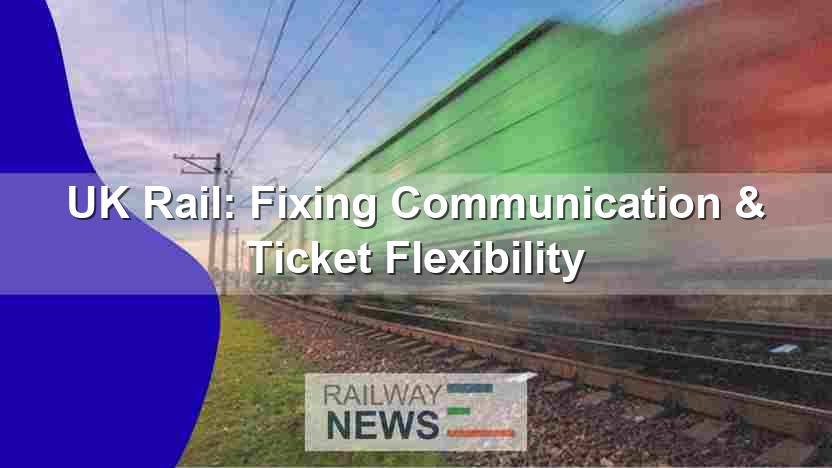
The UK rail network faces ongoing challenges regarding passenger communication and ticket flexibility, particularly in the face of service disruptions. This article examines the recent findings of the Office of Rail and Road (ORR), the UK’s rail regulator, highlighting the need for improved clarity in automated notifications sent to passengers when train services are altered or canceled. The ORR’s concerns extend beyond mere informational clarity to encompass a deeper examination of passenger rights and the need for greater flexibility regarding ticket usage, especially for those who purchase tickets well in advance. This analysis will delve into the specific shortcomings identified by the ORR, explore the implications for rail operators and independent retailers, and propose solutions to enhance the passenger experience during service disruptions, ultimately fostering greater trust and satisfaction within the UK rail system. The current situation impacts millions of passengers annually and requires a detailed and proactive approach to remedy the situation and meet the needs of a modern rail system.
Insufficient Clarity in Automated Notifications
The ORR’s investigation revealed significant deficiencies in the automated notifications sent to passengers regarding train cancellations and alterations. While acknowledging the positive step taken by operators in implementing automated notification systems, the ORR found that a substantial number of these notifications lacked clarity and crucial information. The lack of easily understandable explanations of passenger rights and available options, coupled with a lack of proactive offers for flexibility to passengers holding advance tickets, created significant frustration and inconvenience. This highlights a failure in effectively communicating vital information, negatively impacting passengers’ experience and potentially leading to disputes regarding refunds and rebooking. The sheer volume of notifications sent – 1.8 million this year alone – emphasizes the widespread impact of these communication issues.
The Need for Enhanced Ticket Flexibility
The ORR’s report emphasizes the need for greater ticket flexibility, particularly for passengers who purchase tickets in advance. Currently, many passengers are simply offered refunds when disruptions occur, neglecting the need for alternative travel options or adjustments to their journey plans. This rigid approach fails to consider the significant inconvenience and potential financial losses suffered by passengers whose travel plans are disrupted by factors outside their control. The ORR advocates for a more passenger-centric approach, whereby operators provide options beyond a simple refund, such as allowing changes to travel dates or alternative routing without penalty, thereby enhancing passenger satisfaction and mitigating the negative impacts of service disruptions.
Responsibility of Independent Retailers
The ORR’s attention also extends to independent retailers who sell rail tickets through their websites and apps. These intermediaries have a crucial role to play in ensuring accurate and timely dissemination of information to passengers regarding service changes. The ORR is actively engaging with these retailers to ensure compliance with the required notification standards and clarity of information concerning passenger rights. This collaborative approach acknowledges the essential involvement of independent retailers in the overall passenger experience and the need for consistent and transparent communication across all channels.
The Broader Context of UK Rail Challenges
The issues raised by the ORR concerning passenger communication and ticket flexibility occur within a larger context of challenges faced by the UK rail industry. Recent industrial action (strikes) and operational difficulties, including significant delays and cancellations, have further exacerbated existing problems. At least one operator has been brought under state control, underscoring the severity of the challenges faced by the industry. Addressing these issues necessitates a detailed approach involving improved operational efficiency, effective communication strategies, and proactive measures to safeguard passenger rights and provide a more resilient and user-friendly rail system. The ORR’s recommendations serve as a crucial step in this direction.
Conclusions
The ORR’s intervention regarding the clarity of rail passenger notifications and the lack of ticket flexibility highlights critical shortcomings within the UK rail system. The 1.8 million notifications issued this year alone underscore the significant scale of the problem. The insufficient clarity and the lack of information regarding passenger rights and available options demonstrate a failure to prioritize the passenger experience. The lack of flexibility for advance ticket holders further compounds the inconvenience and financial losses suffered during disruptions. This situation requires a multifaceted approach to improvement. Rail operators must enhance their automated notification systems to ensure clear, concise, and readily understandable information regarding passenger rights and available options following service alterations or cancellations. Additionally, a move towards more flexible ticketing policies is crucial, providing passengers with alternative travel options and mitigating the negative effects of disruptions beyond simple refunds. Collaboration between the ORR, rail operators, and independent retailers is paramount to implementing effective changes. The ORR’s ongoing monitoring is essential to ensuring accountability and progress towards a more passenger-centric approach. Ultimately, improving communication and providing increased ticket flexibility will not only enhance the passenger experience but also build confidence and trust in the UK rail network, contributing to its long-term sustainability and success. Addressing these issues is critical for improving the overall public perception of the rail system and ensuring its competitiveness in the broader transportation landscape.

Railway infrastructure, rolling stock and transport technologies specialist focused on global rail industry developments, high-speed rail systems, signaling technologies and freight transportation. Covering railway investments, public transport modernization, rail operations and international mobility projects across Europe, Asia and North America.
RELATED POSTS

September 5, 2026 4:19 pm
CPK launched formal tender talks with four consortia to design...

September 6, 2026 4:12 am
Alstom delivered the first of 100 new G Class trams...
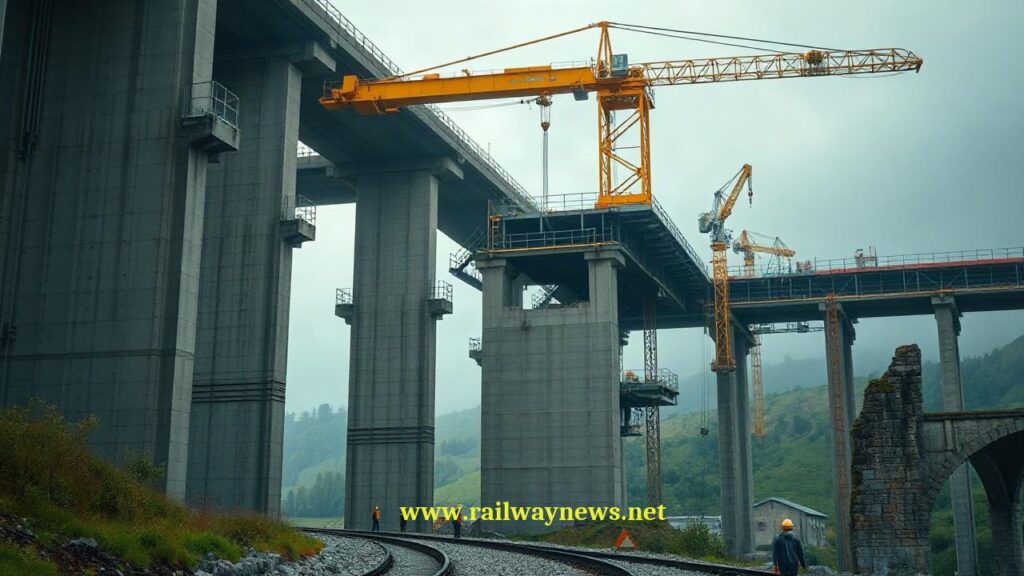
September 5, 2026 7:14 pm
HS2 Ltd signed renegotiated civils contracts with EKFB and Align...
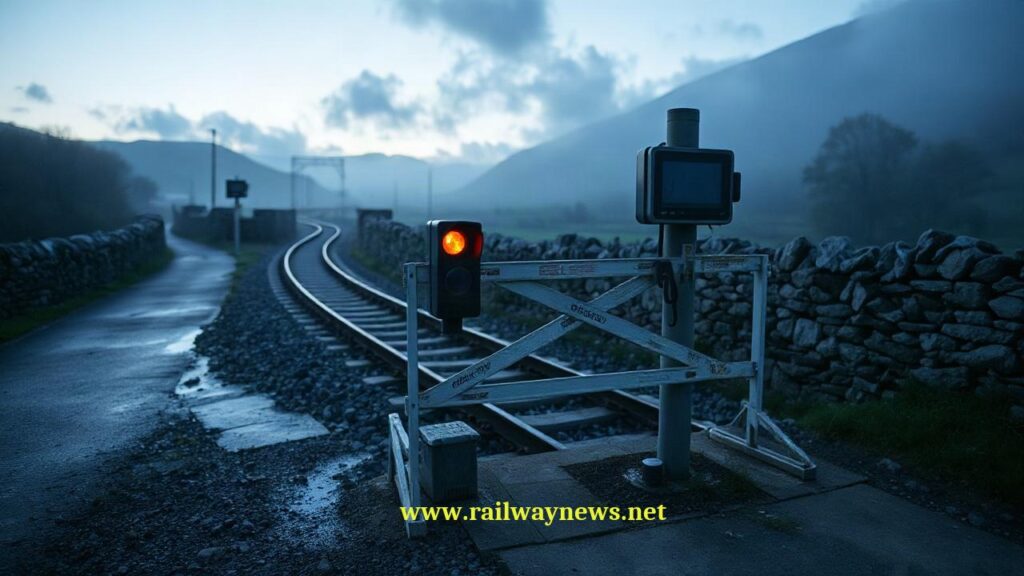
September 5, 2026 6:17 pm
Universal Signalling won a deal to install its U-Cross system...
September 7, 2026 4:15 pm
Zimbabwe approved the EUR 3 billion Harare Light Rail project,...
September 7, 2026 11:16 pm
China Railway Tunnel Group completed the 11.3-km underwater Yangtze tunnel...