
West Yorkshire Mass Transit: A Sustainable Future
The West Yorkshire Combined Authority has selected Jacobs and Mott MacDonald as its design development partner for the Mass Transit Programme, aiming to create a high-capacity integrated public transport system that connects communities in Leeds and Bradford while integrating with existing cycling, walking, and rail networks.
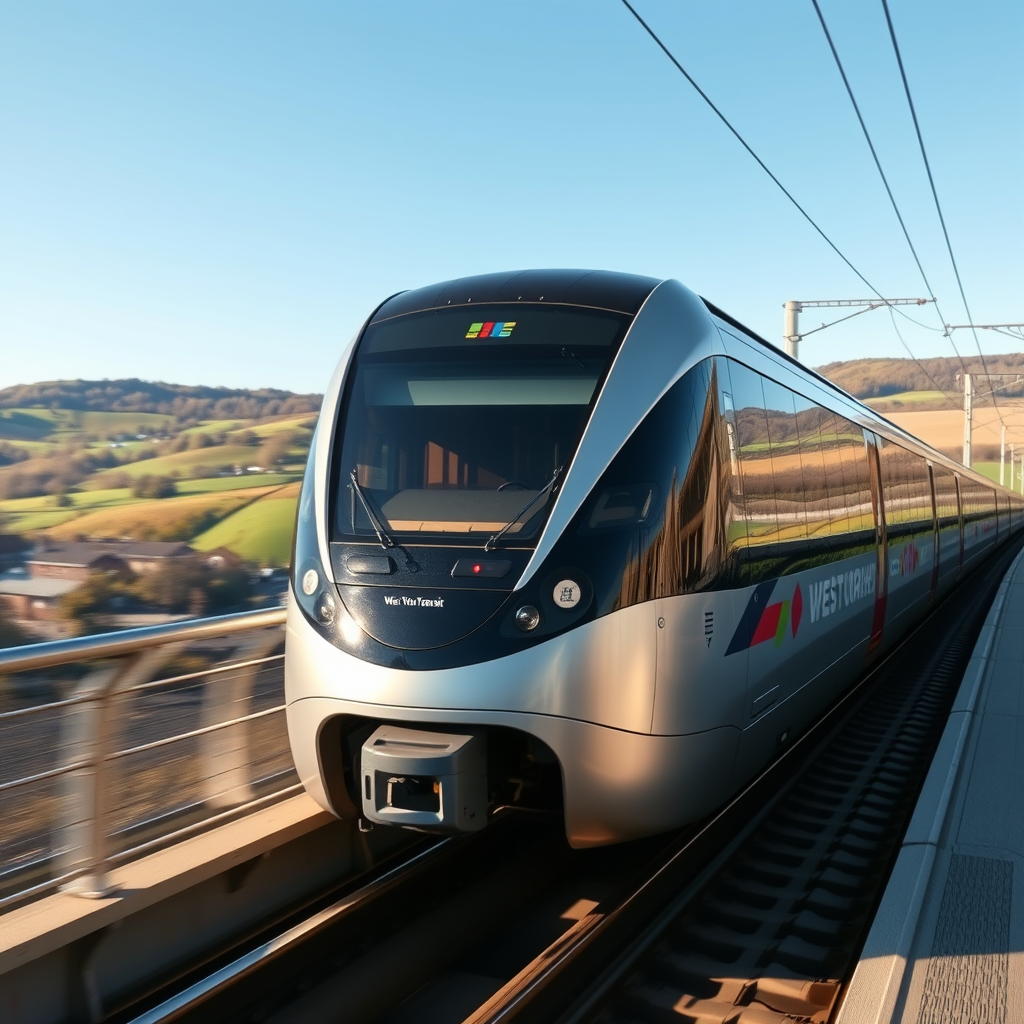
The West Yorkshire Combined Authority (WYCA) in the UK is undertaking a significant infrastructure project: the West Yorkshire Mass Transit Programme. This ambitious initiative aims to revolutionize public transportation in the region, serving a population of 2.3 million. The program focuses on creating a high-capacity, integrated public transport system that seamlessly connects communities and integrates with existing cycling, walking, and rail networks. This article will delve into the key aspects of this program, examining the selection of the design development partner, the planned phases of construction, the technological considerations, and the overall impact on the region’s economy and environment. We will explore the challenges and opportunities presented by this large-scale undertaking, focusing on the vital role of effective planning, innovative design, and sustainable integration with existing infrastructure. The complexities of delivering such a project in a densely populated area will also be considered, along with the importance of community engagement throughout the process. The ultimate goal is to analyze how this project contributes to a more sustainable, efficient, and connected future for West Yorkshire.
Selection of the Design Development Partner
The WYCA has chosen a consortium comprising Jacobs and Mott MacDonald as the design development partner for the next phase of the Mass Transit Programme. This selection highlights the importance of expertise in delivering large-scale transit projects. Both firms bring extensive experience in urban transit systems globally, with projects spanning Melbourne, Toronto, Manchester, London, and other major cities. Their experience in areas such as system integration, sustainable design, and community engagement will be crucial to the success of the West Yorkshire project. The consortium’s proven track record assures a high level of technical competence and project management capabilities.
Phased Implementation and Initial Lines
The West Yorkshire Mass Transit Programme is planned in phases, with early construction anticipated to begin in 2028. The first phase will focus on two Light Rapid Transit (LRT) lines connecting Leeds and Bradford, two major cities in the region. This phased approach allows for manageable project delivery, minimizing disruption and maximizing efficiency. Future phases will expand the network to encompass other parts of West Yorkshire, creating a detailed regional transit system. This strategic approach minimizes risk and facilitates better resource allocation.
Technological Integration and Sustainability
The program emphasizes integrating Intelligent Transportation Systems (ITS) to optimize network efficiency and enhance the passenger experience. This could include features like real-time passenger information, automated fare collection, and predictive maintenance. Additionally, the project prioritizes sustainability. The design considers environmental impact, aiming to minimize disruption to existing infrastructure and promote environmentally friendly transport options. The ultimate goal is to create a sustainable and inclusive transport network that benefits the community as a whole. This will involve careful consideration of energy efficiency, material selection and waste management strategies.
Economic and Social Impacts
The West Yorkshire Mass Transit Programme is envisioned to generate significant economic benefits for the region. By improving connectivity, it aims to stimulate economic growth, create jobs, and boost the overall quality of life. Improved accessibility to employment and educational opportunities will be key outcomes. The project will also enhance the social fabric of the region by improving accessibility for all members of the community and promoting social inclusion. This includes considerations for accessibility for people with disabilities, and the integration of the transit system with other modes of transportation. This detailed approach seeks to generate both short-term job creation during the construction phase and long-term economic benefits through improved accessibility and community connectivity.
Conclusion
The West Yorkshire Mass Transit Programme represents a bold vision for the future of public transportation in the region. The selection of Jacobs and Mott MacDonald as the design development partner underscores the commitment to delivering a high-quality, integrated transit system. The phased approach, focusing initially on the Leeds-Bradford corridor, ensures a manageable and efficient implementation. The emphasis on incorporating ITS and sustainable practices showcases a commitment to creating a modern, efficient, and environmentally responsible network. The program’s anticipated economic and social benefits are significant, promising to improve connectivity, stimulate economic growth, and enhance the overall quality of life for residents of West Yorkshire. The success of this project will depend on effective collaboration between WYCA, the design consortium, and local communities. Careful planning, innovative design, and continuous community engagement will be crucial to ensure that the project delivers its promised benefits and leaves a lasting positive legacy on the region.

Railway infrastructure, rolling stock and transport technologies specialist focused on global rail industry developments, high-speed rail systems, signaling technologies and freight transportation. Covering railway investments, public transport modernization, rail operations and international mobility projects across Europe, Asia and North America.
RELATED POSTS
September 6, 2026 6:17 am
Hungary ordered a national ban on most freight trains from...

September 6, 2026 8:17 am
DB InfraGO reopened the Nuremberg-Regensburg line in Bavaria on 31...
September 7, 2026 8:16 am
Midea, Gree and TCL shipped air conditioners via China Railway...
September 7, 2026 4:11 am
ÖBB Rail Cargo Group leased 500 Eanos-y scrap-metal wagons from...
September 8, 2026 5:14 am
STB ordered Belt Railway Co. of Chicago on Aug. 3,...
September 8, 2026 11:12 pm
Baltic Hub secured a 30-year lease on 27 hectares at...