
Wokingham Rail Upgrade: Digital Signaling’s Future
The £375 million digital signaling upgrade in Wokingham, UK, represents a pivotal step towards modernizing Britain’s railway infrastructure by replacing outdated analog systems with cutting-edge digital technology, enhancing operational efficiency and safety while laying the groundwork for future advancements like ETCS.
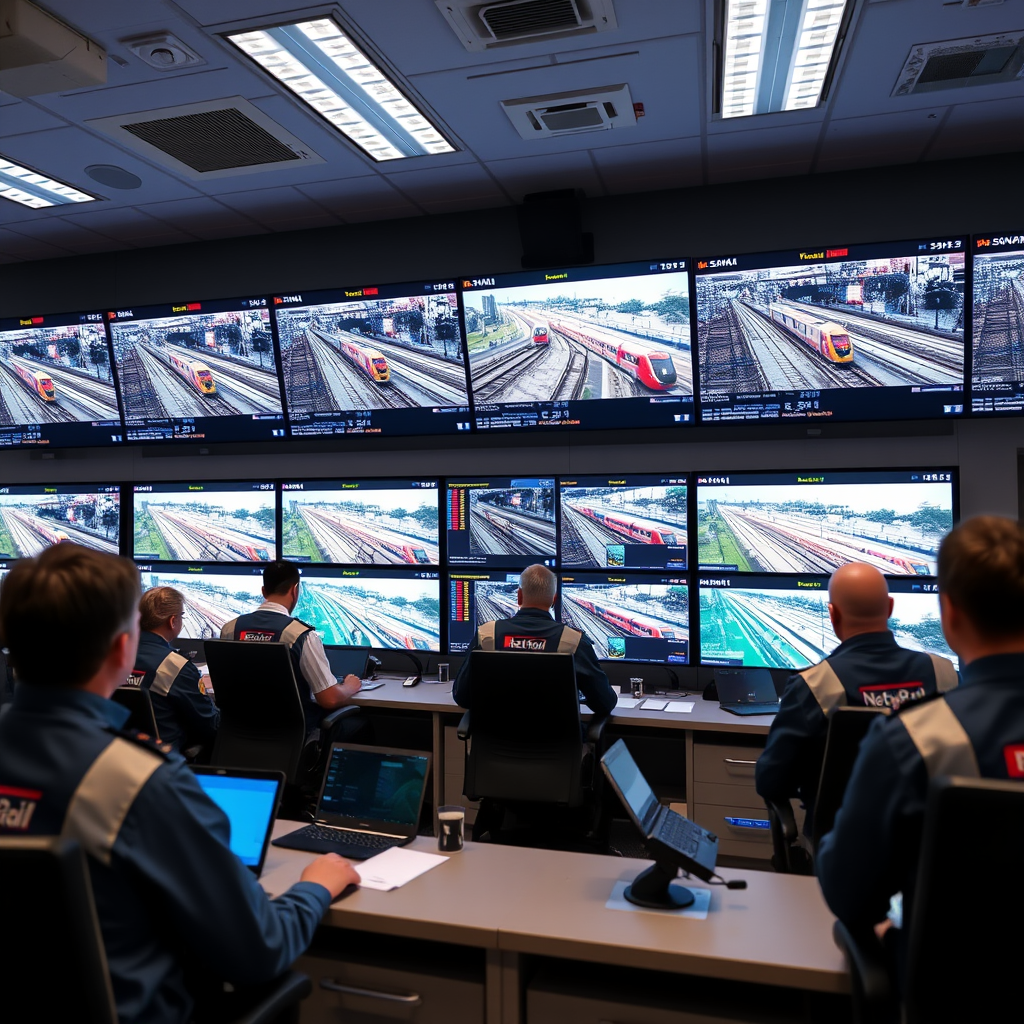
This article examines the recently completed £375 million ($472 million) digital signaling upgrade in Wokingham, UK, undertaken by Network Rail. This project serves as a microcosm of the larger, nationwide effort to modernize Britain’s railway infrastructure, replacing outdated analog systems with cutting-edge digital technology. The upgrade not only improves operational efficiency and safety but also lays the groundwork for future advancements in centralized train control and the integration of technologies like the European Train Control System (ETCS). We will explore the technical aspects of the Wokingham project, analyze its impact on railway operations, and consider its implications for the broader trend of digital transformation within the UK rail network. The successful completion of this project highlights the significant investment and commitment required to maintain a safe, reliable, and efficient railway system for the 21st century, while also illustrating the challenges inherent in such large-scale modernization efforts.
The Wokingham Signaling Upgrade: A Case Study in Modernization
Network Rail’s five-year project in Wokingham involved a detailed overhaul of the area’s 1970s-era signaling infrastructure. The outdated technology, prone to unreliability and increasingly difficult to maintain, was replaced with a modern digital signaling system. This involved the installation of approximately 500 pieces of new signaling equipment across 80 miles of track. The upgrade also encompassed the refurbishment of 16 level crossings and the renewal of a complex double railway junction. A key element of the project was the centralization of signaling control, transferring responsibility from Feltham and Wokingham to the Rail Operating Centre (ROC) in Basingstoke. This centralization, facilitated by advanced communication technologies, allows signallers to monitor and control a larger section of track from a single location, improving communication and coordination.
Enhanced Operational Efficiency and Safety
The transition to digital signaling offers significant improvements in both operational efficiency and safety. The new system boasts increased reliability, reducing delays caused by equipment malfunctions. The centralized control at the ROC enables more effective communication and coordination among signallers, further contributing to smoother train operations. Improved monitoring capabilities allow for quicker identification and response to potential issues, enhancing overall safety. The modernization of level crossings incorporates enhanced safety features, mitigating the risk of accidents at these critical points in the rail network. The upgrade also improves the overall capacity of the line, allowing for more efficient scheduling and potentially increased train frequency.
Integration with Future Technologies: ETCS and Centralized Control
The Wokingham project is not merely a replacement of outdated technology; it’s a strategic step towards a fully modernized and digitally integrated railway system. The upgrade paves the way for the integration of advanced technologies such as ETCS (European Train Control System), a crucial component of the UK’s broader effort to enhance rail safety and efficiency. ETCS is a sophisticated train control system that enhances safety by automatically managing train speed and preventing collisions. Additionally, the centralized control implemented at the ROC exemplifies the larger trend towards centralized train control systems (CTCS). These systems offer significant improvements in operational efficiency and overall control of the railway network.
Conclusion: A Blueprint for Nationwide Modernization
The successful completion of the Wokingham signaling upgrade demonstrates the feasibility and benefits of large-scale modernization projects within the rail industry. The £375 million investment has yielded tangible improvements in reliability, safety, and efficiency, showcasing the positive impact of transitioning from antiquated analog systems to modern digital technologies. The project’s emphasis on centralized control and compatibility with future technologies like ETCS positions the Wokingham line as a model for future upgrades across the UK rail network. This modernization effort is not merely about replacing old equipment; it’s about building a more resilient, efficient, and technologically advanced railway system capable of meeting the demands of a growing population and an increasingly complex transportation landscape. The lessons learned from the Wokingham project, including effective project management, strategic technology choices, and seamless integration with existing infrastructure, are invaluable for future nationwide re-signaling programs. The ongoing commitment to modernizing the UK’s railway infrastructure, as evidenced by initiatives like the East Coast Digital Programme, underlines the dedication to enhancing rail travel for passengers and freight alike. The Wokingham upgrade signifies a significant step forward, providing a powerful case study for the successful implementation of digital signaling technology and the future of railway control.

Railway infrastructure, rolling stock and transport technologies specialist focused on global rail industry developments, high-speed rail systems, signaling technologies and freight transportation. Covering railway investments, public transport modernization, rail operations and international mobility projects across Europe, Asia and North America.
RELATED POSTS

October 8, 2026 1:15 pm
Alstom secured a €1bn contract to build 13 automated trains,...

October 1, 2026 7:09 am
United States regulators confirmed a September 30 deadline for the...

October 4, 2026 5:14 pm
Alstom secured a CA$4.7 billion order from VIA Rail Canada...

October 8, 2026 12:18 pm
Siemens Mobility signed an agreement with VinSpeed to supply 350...

October 5, 2026 6:12 pm
AECOM and Jacobs secured a contract in September 2026 to...

October 4, 2026 11:08 pm
Sound Transit confirmed the September 30 opening of Seattle Pinehurst...