
UK Rail’s Green Revolution: A Sustainable Blueprint
RSSB’s Sustainable Rail Blueprint maps UK rail’s net-zero 2050 pathway: electrification, BEMU/hydrogen fleets, carbon accounting, integrated transport & funding.
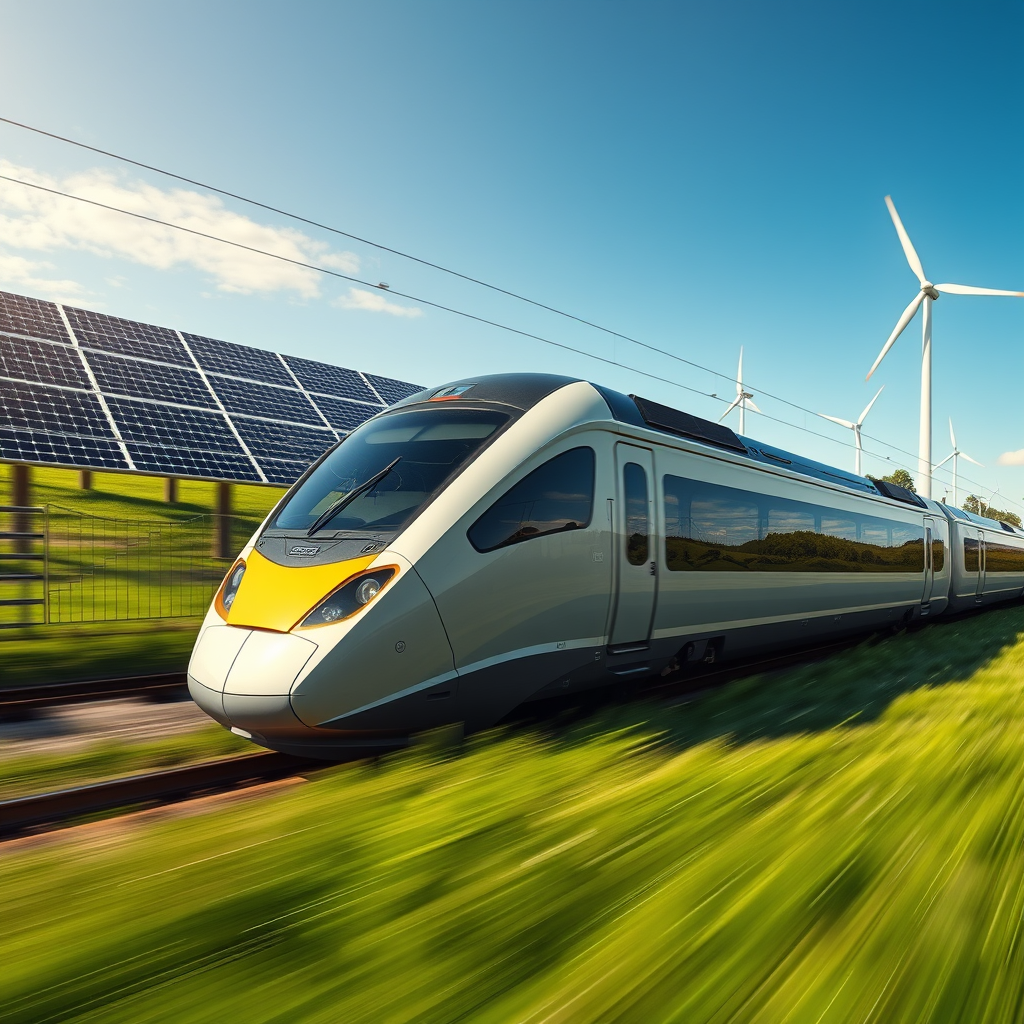
The UK railway system, a vital component of the nation’s infrastructure, faces a critical juncture. Meeting ambitious net-zero targets necessitates a fundamental shift towards sustainable practices. This article explores the recently published Sustainable Rail Blueprint by the Rail Safety and Standards Board (RSSB), commissioned by the Department for Transport (DfT). This blueprint provides a detailed framework for achieving environmental and social sustainability within the UK rail industry. It outlines key challenges, proposes innovative solutions, and emphasizes the collaborative effort required from all stakeholders to transform the railway into a truly sustainable mode of transport. The following sections will explore the blueprint’s core recommendations, focusing on the crucial role of electrification, data-driven approaches, integrated transport networks, and the cultivation of a robust sustainability culture within the rail sector. We will analyze the feasibility and impact of these recommendations on the overall efficiency and environmental performance of the UK’s railway network, considering both immediate and long-term implications.
Electrification and Alternative Rolling Stock
The blueprint rightly prioritizes the transition to zero-emission traction. This involves a significant expansion of the electrified network, reducing reliance on diesel-powered trains. This requires substantial investment in infrastructure, including overhead lines and potentially alternative electrification technologies for lines where overhead electrification is impractical. Simultaneously, the introduction of alternative rolling stock, such as battery-electric multiple units (BEMUs) and hydrogen fuel cell trains, is crucial for decarbonizing lines that remain unelectrified. This transition necessitates careful planning and consideration of lifecycle assessments for different technologies to ensure optimal environmental and economic outcomes. The successful implementation requires collaboration between Network Rail (the company responsible for maintaining the UK’s rail infrastructure), train operating companies (TOCs), and rolling stock manufacturers.
Data-Driven Measurement and Progress Tracking
Effective progress towards sustainability necessitates a robust data framework. The blueprint advocates for the establishment of standardized metrics and data collection methods across the industry. This allows for accurate measurement of key performance indicators (KPIs), such as energy consumption, carbon emissions, and waste generation. The data collected can then be used to monitor progress, identify areas for improvement, and track the effectiveness of implemented strategies. A centralized data platform would facilitate cross-industry collaboration and transparency, allowing for benchmarking and the sharing of best practices. The development of such a system requires investment in IT infrastructure and the harmonization of data standards across different organizations within the rail sector.
Integrated Transport Networks and Intermodal Solutions
The blueprint highlights the importance of integrating the railway into a broader, multimodal transport network. This involves seamless connections between rail and other modes of transportation, such as buses, cycling, and walking. This encourages modal shift, diverting traffic from road to rail, thereby reducing congestion and carbon emissions. Strategies include the development of improved interchange facilities, integrated ticketing systems, and integrated journey planning tools. This requires collaboration between rail operators, local authorities, and other transport providers to create a truly integrated and user-friendly transport system. Additionally, exploring intermodal solutions, such as rail-freight integration, can significantly decrease road transportation’s environmental impact.
Cultivating a Culture of Sustainability
The blueprint stresses the importance of embedding sustainability principles into the core culture of the rail industry. This requires a fundamental shift in mindset and working practices, moving beyond mere compliance with regulations to a proactive approach to environmental responsibility. This includes training programs for employees on sustainability issues, incentivizing sustainable practices, and integrating sustainability considerations into all decision-making processes. A strong commitment from senior leadership is essential for fostering a culture of sustainability throughout the organization. This cultural transformation should permeate all levels of the industry, from engineers and operations staff to executive management.
Conclusions
The RSSB’s Sustainable Rail Blueprint provides a timely and crucial roadmap for the UK rail industry’s transition to a sustainable future. The blueprint’s recommendations, focusing on electrification, data-driven approaches, integrated transport systems, and the fostering of a sustainable culture, are interconnected and mutually reinforcing. Successful implementation necessitates substantial investment, not only in infrastructure and technology, but also in workforce training and cultural change. The transition to zero-emission traction, through electrification and alternative rolling stock, is paramount to achieving decarbonization goals. The creation of a robust data framework is crucial for measuring progress and guiding decision-making. Integrating the rail network into a wider transport system encourages modal shift and optimizes efficiency. Finally, cultivating a sustainable culture within the industry ensures long-term commitment and proactive environmental stewardship. The success of this initiative hinges on effective collaboration between all stakeholders: government, Network Rail, TOCs, rolling stock manufacturers, and local authorities. Only through a unified and coordinated effort can the UK railway truly realize its potential as a sustainable and efficient mode of transportation, contributing significantly to the nation’s net-zero ambitions. The blueprint serves as a critical first step, laying the groundwork for a greener and more sustainable railway for future generations. The challenges ahead are significant, but the long-term benefits—environmental, economic, and social—make the journey essential.

Transport and railway industry editor covering global rail infrastructure, sustainable mobility, urban transit systems and next-generation railway technologies with a focus on accessible and industry-focused reporting.
RELATED POSTS

October 1, 2026 7:09 am
United States regulators confirmed a September 30 deadline for the...

October 8, 2026 1:15 pm
Alstom secured a €1bn contract to build 13 automated trains,...

October 4, 2026 5:14 pm
Alstom secured a CA$4.7 billion order from VIA Rail Canada...

October 4, 2026 11:08 pm
Sound Transit confirmed the September 30 opening of Seattle Pinehurst...
October 1, 2026 10:14 am
HS2 installed a 55-metre steel span in Birmingham, completing phase...

October 5, 2026 6:12 pm
AECOM and Jacobs secured a contract in September 2026 to...