
UK Rail’s £1.4M Tech Revolution: AI, Sustainability & Innovation
The UK’s Department for Transport has allocated £1.4 million to 32 innovative projects aimed at advancing the sustainability of its railway system through cutting-edge technologies, including AI-powered predictive modeling and sound wave pollution mitigation methods.
Introduction
This article explores the significant role of technological innovation in advancing the UK’s railway system, focusing on the recent allocation of £1.4 million (approximately $1.8 million USD) by the UK Department for Transport (DfT) to 32 innovative projects. This funding, part of the larger Transport Research and Innovation Grant (TRIG) program, totaling over £15 million (approximately $19.4 million USD), is specifically geared towards fostering sustainable transportation solutions and boosting economic growth. The initiative underscores the UK government’s commitment to a greener future through the adoption of cutting-edge technologies. The article will examine several key projects, analyzing their innovative approaches and potential impact on the rail sector’s efficiency, sustainability, and passenger experience. The chosen projects illustrate the diverse applications of technology, ranging from AI-powered predictive modeling for improved operational efficiency to the utilization of sound waves for pollution mitigation. A detailed analysis of these initiatives will reveal the transformative potential of technological integration in achieving a more sustainable, efficient, and user-friendly railway network.
Sustainable Transportation Solutions
The DfT’s funding prioritizes projects directly addressing sustainability concerns within the transport sector. The chosen projects reflect a multi-faceted approach, encompassing both operational improvements and the integration of greener technologies. Electric locomotives represent a significant step towards decarbonization, and ongoing research and development in this area are vital. However, the focus also extends to mitigating pollution through novel methods, as exemplified by Vox Aeris’ project using sound waves and music vibrations to reduce pollution. This innovative approach demonstrates a move beyond traditional pollution control methods, highlighting the potential for creative solutions in addressing environmental challenges.
AI and Digital Twinning in Rail Operations
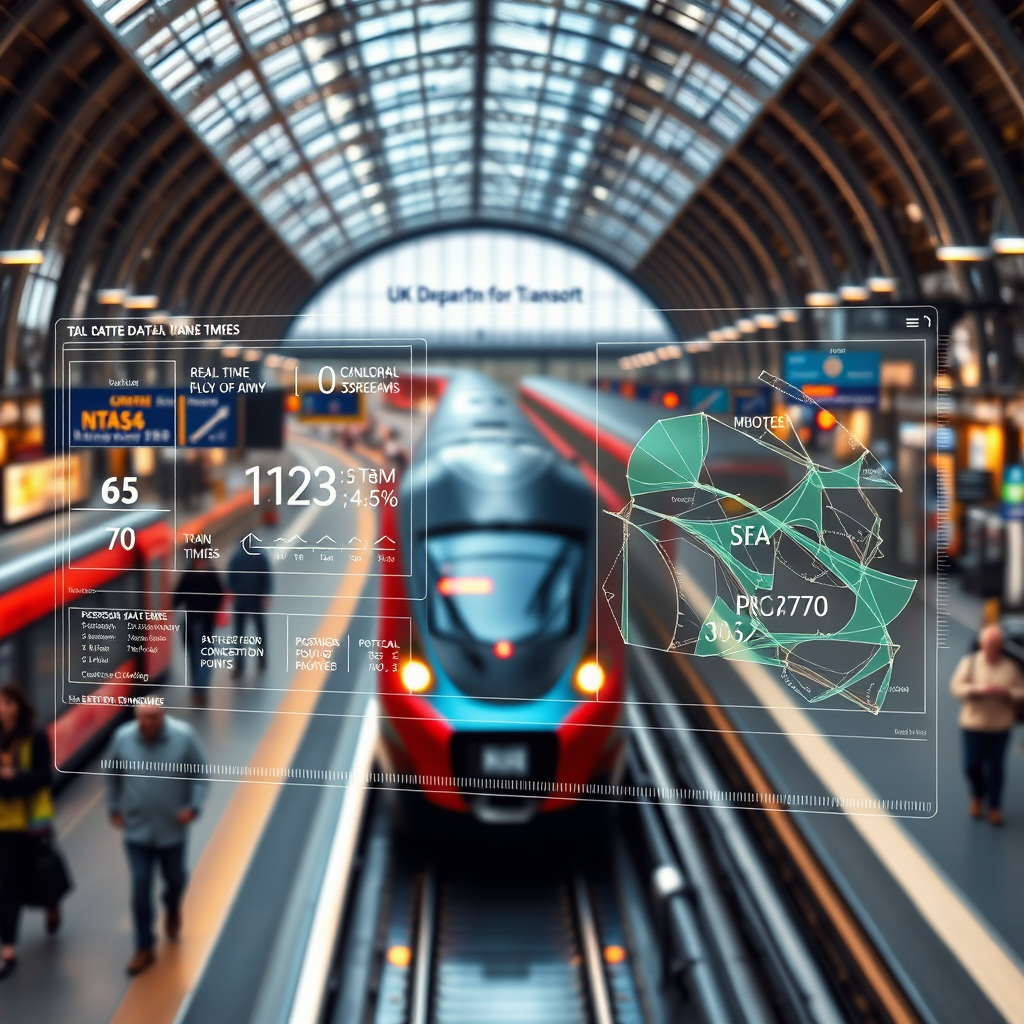
The OpenSpace project, a recipient of the TRIG funding, showcases the transformative power of artificial intelligence (AI) and digital twinning in improving railway operations. By creating a real-time simulated environment of St. Pancras International station using 3D Light Detection and Ranging (LiDAR) scanning and integrating live mobility data (e.g., train, tube, and bus arrivals), OpenSpace provides a dynamic virtual model for operational optimization and enhanced passenger service. This technology allows for the proactive identification and mitigation of potential disruptions, improving efficiency and reducing delays. The use of GDPR-compliant cameras to collect anonymized passenger movement data further enhances the model’s accuracy and real-world applicability.
The Impact of Emerging Technologies
The TRIG program demonstrates a forward-looking strategy in embracing emerging technologies. The emphasis on AI, digital twinning, and even the exploration of sound-wave pollution mitigation exemplifies a proactive approach to solving complex transportation challenges. This commitment to technological innovation has far-reaching implications, influencing not only the operational efficiency of the rail network but also creating opportunities for economic growth and job creation. The success of these projects lays the groundwork for wider adoption of similar technologies throughout the UK’s transport infrastructure.
Conclusions
The UK Department for Transport’s investment in 32 innovative transport projects, through the Transport Research and Innovation Grant (TRIG) program, signifies a significant commitment to advancing the nation’s railway system. The projects, focusing on sustainable solutions and leveraging emerging technologies such as AI and digital twinning, highlight a forward-thinking approach to addressing challenges within the sector. The OpenSpace project, with its use of digital twinning and AI to optimize St. Pancras International station operations, exemplifies the potential of these technologies to enhance efficiency and passenger experience. Similarly, Vox Aeris’ exploration of sound-wave pollution mitigation showcases the potential for innovative solutions in tackling environmental concerns. The overall impact of the TRIG program extends beyond individual projects, fostering collaboration and driving economic growth through job creation and the development of new technologies. The success of this funding initiative underlines the critical role of innovation in creating a more sustainable, efficient, and passenger-centric railway network for the future. The ongoing commitment to supporting these innovative technologies promises to deliver significant improvements in the years to come, establishing the UK as a leader in sustainable and technologically advanced railway infrastructure. These pioneering projects are not isolated efforts but rather serve as a catalyst for future advancements, paving the way for a more robust, environmentally responsible, and technologically advanced rail transportation system. The success of this initiative encourages further investment in research and development, ensuring the continued evolution of the UK’s railway infrastructure to meet the demands of a growing and increasingly environmentally conscious population.

Railway infrastructure, rolling stock and transport technologies specialist focused on global rail industry developments, high-speed rail systems, signaling technologies and freight transportation. Covering railway investments, public transport modernization, rail operations and international mobility projects across Europe, Asia and North America.
RELATED POSTS

October 8, 2026 1:15 pm
Alstom secured a €1bn contract to build 13 automated trains,...

October 1, 2026 7:09 am
United States regulators confirmed a September 30 deadline for the...

October 8, 2026 12:18 pm
Siemens Mobility signed an agreement with VinSpeed to supply 350...

October 4, 2026 5:14 pm
Alstom secured a CA$4.7 billion order from VIA Rail Canada...

October 5, 2026 6:12 pm
AECOM and Jacobs secured a contract in September 2026 to...

October 4, 2026 11:08 pm
Sound Transit confirmed the September 30 opening of Seattle Pinehurst...