
SelTrac G9: AI, 5G, & Cloud Revolutionize Rail
Hitachi Rail invests over C$100 million in developing SelTrac G9, a next-generation CBTC system integrating AI, 5G networks, and cloud computing to enhance urban rail operations globally, highlighting technological innovation as crucial for modernizing railway transportation.
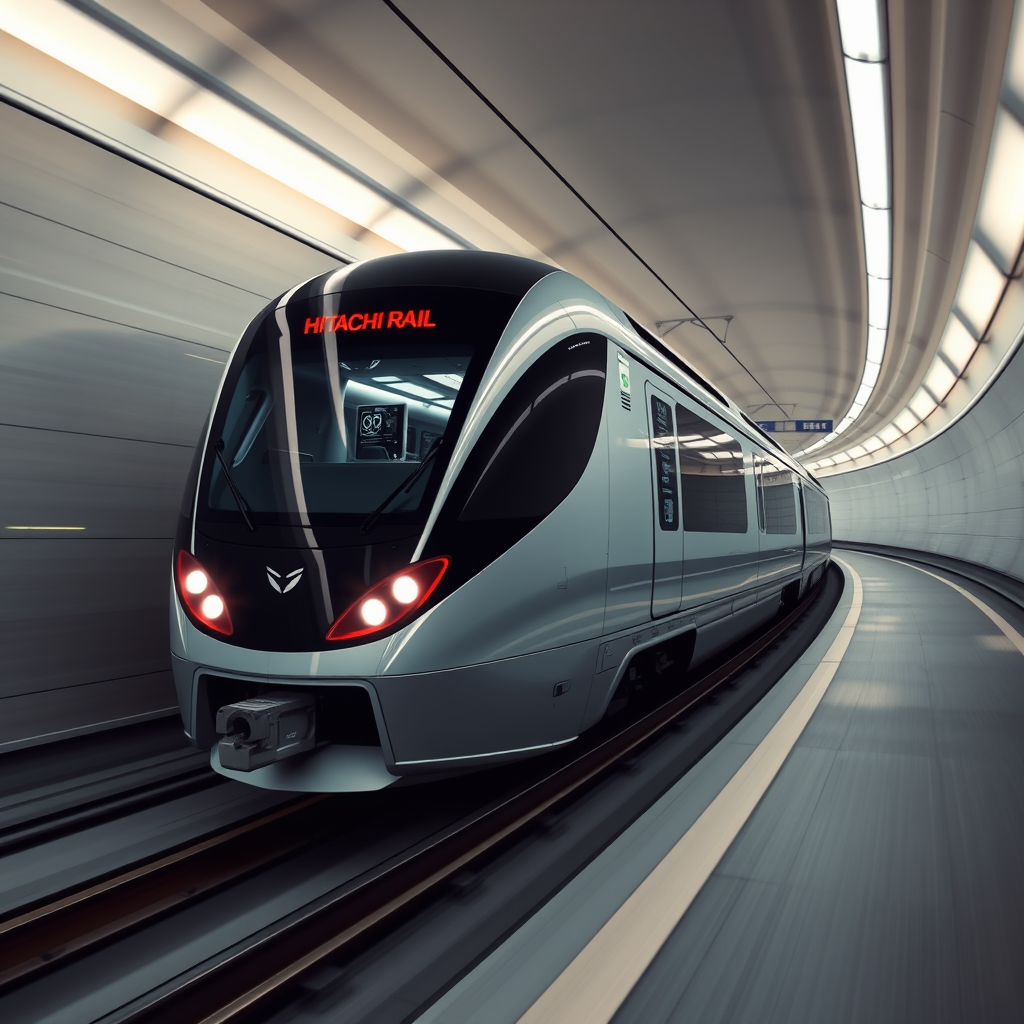
This article explores the significant investment by Hitachi Rail in advancing its Communication-Based Train Control (CBTC) signaling technology, specifically its SelTrac system. Hitachi Rail’s commitment of over C$100 million (approximately $71.5 million USD) highlights the crucial role of technological innovation in modernizing urban rail systems. This investment focuses on integrating cutting-edge technologies like Artificial Intelligence (AI), 5G networks, and cloud computing to enhance the efficiency, safety, and passenger experience of urban rail operations globally. The development of the next-generation SelTrac (G9) system, detailed in this analysis, represents a pivotal step towards a more sustainable and technologically advanced future for railway transportation. The article will analyze the technological advancements, economic implications, and the broader impact of this investment on the railway industry and the wider technological landscape.
Next-Generation SelTrac: Integrating AI, 5G, and Cloud Computing
Hitachi Rail’s investment centers on enhancing its SelTrac CBTC system, a move block system already deployed in over 100 lines across 40 cities worldwide. The integration of AI promises to optimize train scheduling, predict potential issues, and proactively adjust operations for enhanced efficiency and reduced delays. The incorporation of 5G infrastructure will provide significantly improved data transmission speeds and reliability, essential for real-time monitoring and control of train movements. Cloud computing will enable centralized data management, facilitating analysis, predictive maintenance, and streamlined operations across the entire rail network. This combination of technologies forms the basis of SelTrac G9, setting a new benchmark for urban rail signaling systems.
Economic Impact and Job Creation
The C$100 million investment is not merely about technological advancement; it represents a substantial economic injection into the Ontario, Canada economy. The Ontario government’s contribution of C$4.5 million underscores the economic significance of this project, showcasing the provincial government’s commitment to supporting innovation and job growth in the technology sector. Hitachi Rail’s commitment to creating 100 new jobs and retaining 1,000 skilled positions at its Toronto engineering center exemplifies the positive impact of such investments on local employment and workforce development. This further strengthens Hitachi Rail’s existing presence in Canada, already employing approximately 1,200 people across various transit projects.
Global Implications and Industry Leadership
The development of SelTrac G9 has significant global implications. The improved efficiency, reduced carbon footprint, and enhanced passenger experience offered by this next-generation system will be attractive to urban rail operators worldwide. Hitachi Rail’s established global presence, demonstrated by recent ETCS (European Train Control System) contracts in Thailand, strengthens its position as a leading player in the global railway signaling market. The successful implementation of SelTrac G9 will solidify Hitachi Rail’s technological leadership, driving innovation within the industry and setting a new standard for urban rail modernization. The system is not only designed for Canada but for a global market, positioning Hitachi Rail at the forefront of technological advancements in the industry.
Strategic Partnerships and Technological Synergies
The success of this initiative relies on strategic partnerships. The collaboration with Invest Ontario demonstrates the importance of public-private partnerships in driving innovation within the railway sector. Further, Hitachi Rail’s collaboration with LS Electric on recent ETCS projects in Thailand illustrates the benefits of cross-industry collaborations in delivering sophisticated and integrated railway solutions. The seamless integration of AI, 5G, and cloud computing within the SelTrac system is a testament to the power of technological synergy, highlighting the potential for transformative advancements when different technological disciplines are brought together effectively.
Conclusion
Hitachi Rail’s substantial investment in the development of SelTrac G9 represents a significant leap forward in urban rail signaling technology. The integration of AI, 5G, and cloud computing promises to revolutionize rail operations, delivering improvements in efficiency, safety, sustainability, and passenger experience. The economic impact, through job creation and investment in Ontario, is substantial, highlighting the mutually beneficial relationship between technological innovation and economic growth. The project showcases the potential of strategic partnerships and technological synergies to deliver transformative solutions within the global railway industry. The successful deployment of SelTrac G9 will undoubtedly set a new benchmark for urban rail systems worldwide, pushing the boundaries of what’s possible in modern railway infrastructure. Hitachi Rail’s commitment to innovation, combined with strategic partnerships and technological integration, positions the company as a leader in shaping the future of railway transportation. The wider impact extends to influencing technological advancements within other transportation modes and setting a precedent for sustainable urban development globally. The success of this initiative will influence the adoption of similar technologies by other rail operators worldwide, leading to a broader transformation of urban rail transportation. The long-term effects of this investment are significant, not only economically but also environmentally and socially, by promoting a more efficient, sustainable, and comfortable transportation system for global cities.

Railway infrastructure, rolling stock and transport technologies specialist focused on global rail industry developments, high-speed rail systems, signaling technologies and freight transportation. Covering railway investments, public transport modernization, rail operations and international mobility projects across Europe, Asia and North America.
RELATED POSTS

October 8, 2026 1:15 pm
Alstom secured a €1bn contract to build 13 automated trains,...

October 1, 2026 7:09 am
United States regulators confirmed a September 30 deadline for the...

October 8, 2026 12:18 pm
Siemens Mobility signed an agreement with VinSpeed to supply 350...

October 4, 2026 5:14 pm
Alstom secured a CA$4.7 billion order from VIA Rail Canada...

October 5, 2026 6:12 pm
AECOM and Jacobs secured a contract in September 2026 to...

October 4, 2026 11:08 pm
Sound Transit confirmed the September 30 opening of Seattle Pinehurst...