
UIC Leaflet 512: Standards for Railway Vehicle Kinematics and Dynamics
UIC Leaflet 512 defines standards for railway vehicle kinematics and dynamic measurements, ensuring safe operation, stability, and interoperability on rail networks.
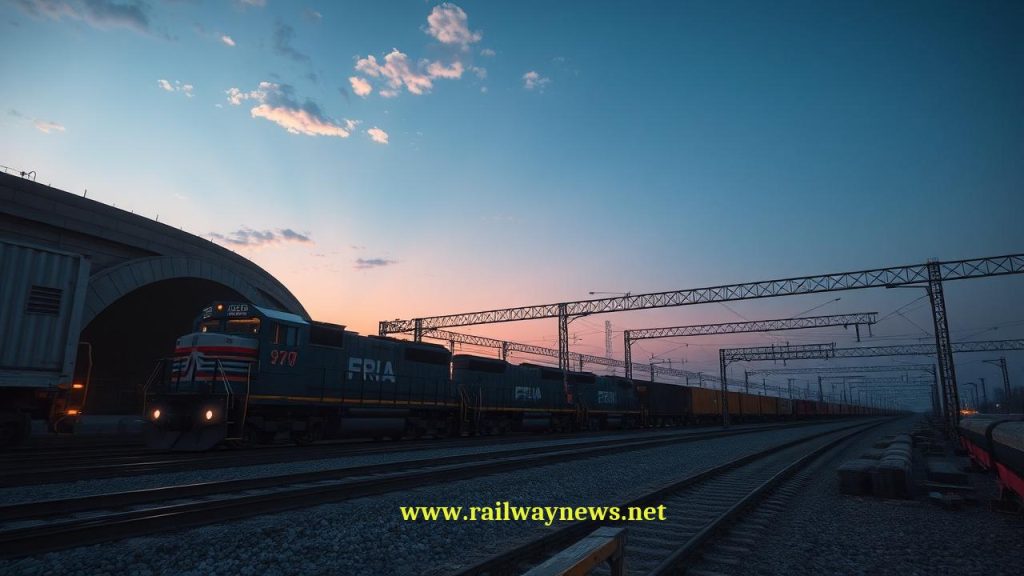
Introduction to UIC Leaflet 512
UIC Leaflet No: 512 is an international standard from the International Union of Railways (UIC) that specifies kinematic measurements and dynamic performance criteria for railway rolling stock. It ensures safe operation, stability, and compliance with track geometry across different networks.
Scope and Purpose
The leaflet provides guidelines for vehicle dynamics, including overhang, swing, tilt, and clearance profiles. Its purpose is to maintain safe train operations, prevent track or infrastructure damage, and ensure interoperability between different types of rolling stock and rail lines.
Key Components
- Kinematic Measurements: Defines methods for measuring vehicle overhang, lateral displacement, tilt, and rotation during operation.
- Dynamic Performance: Establishes safe limits for speed, curve negotiation, and vehicle oscillation.
- Clearance and Safety: Ensures vehicles remain within clearance envelopes to avoid collisions with trackside structures.
- Testing and Verification: Standardizes procedures for on-track dynamic testing and reporting of vehicle behavior.
Comparison Table
| Component | UIC 512 Requirement | Typical Practice |
|---|---|---|
| Lateral Swing Limit | ≤ 100 mm at 160 km/h | ≈ 120 mm |
| Overhang Measurement | Defined by vehicle type | Operator-specific variations |
| Dynamic Testing Interval | Every major overhaul or 5 years | Every 7-10 years |
Implementation and Benefits
UIC Leaflet 512 is widely adopted by railway manufacturers and operators to ensure rolling stock stability, safe operation at high speeds, and compatibility with track geometry. Implementation reduces risks of derailments, enhances passenger comfort, and ensures interoperability across networks.
Snippet Bait
UIC Leaflet 512 sets standards for railway vehicle kinematics and dynamic performance, ensuring stability, safety, and interoperability across rail networks.

Railway infrastructure, rolling stock and transport technologies specialist focused on global rail industry developments, high-speed rail systems, signaling technologies and freight transportation. Covering railway investments, public transport modernization, rail operations and international mobility projects across Europe, Asia and North America.