
Tata-Siemens: Pune Metro Line 3 Innovations
Pune Metro Line 3: Tata-Siemens’ innovative PPP model delivers cutting-edge technology and infrastructure expertise. Learn how this transformative project is reshaping urban mobility!
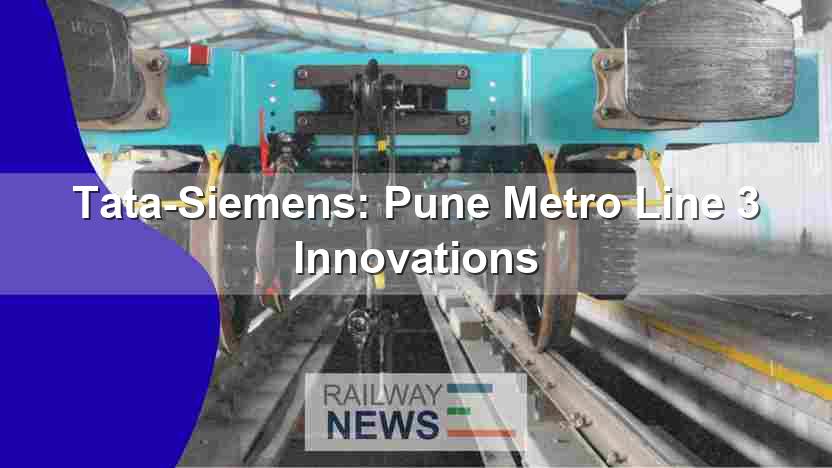
This article examines the significant undertaking of developing Pune Metro Line 3 in Maharashtra, India, by a consortium comprising TRIL Urban Transport (a Tata Group unit) and Siemens Project Ventures. The project represents a crucial step in expanding India’s public transportation infrastructure, highlighting the increasing role of Public-Private Partnerships (PPPs) in large-scale infrastructure development. We will delve into the specifics of the project, including its scope, the expertise brought by the consortium partners, the innovative financing model employed, and the potential impact on the city of Pune. The analysis will further consider the broader implications for future metro projects in India and the potential for replication of this successful PPP model elsewhere. Finally, we will assess the long-term economic and social benefits expected from this ambitious project, considering aspects like improved commute times, economic stimulation along the route, and the creation of employment opportunities.
The Consortium and its Expertise
The selection of the Tata-Siemens consortium reflects a strategic pairing of expertise. Tata Projects, acting as the Engineering, Procurement, and Construction (EPC) partner, brings extensive experience in large-scale infrastructure projects across India. Their proven track record in managing complex engineering challenges and adhering to stringent timelines is crucial for a project of this magnitude. Siemens, a global leader in transportation technology, provides the technological expertise necessary for the design, implementation, and maintenance of sophisticated metro systems. Their involvement ensures the integration of cutting-edge technologies, optimizing efficiency and operational reliability. This synergy between a seasoned Indian infrastructure player and a global technology giant positions the project for success. The combined financial strength of both companies also mitigates risk and ensures project completion within budget and schedule.
Project Scope and Implementation
The Pune Metro Line 3 project encompasses the construction of a 23.3km elevated corridor connecting Hinjewadi Rajiv Gandhi Infotech Park to Shivajinagar, traversing key areas like Balewadi. The line will feature 23 stations, designed to accommodate a large passenger volume. The project’s commencement in June 2019 and projected completion within three years reflects an ambitious timeline. The meticulous planning and execution are paramount given the complexity of managing construction in a densely populated urban environment. Careful consideration of factors such as traffic management, minimizing disruption to residents, and adherence to safety standards are crucial throughout the construction phase. The chosen PPP model ensures efficient resource allocation and reduces the financial burden on the government.
The Public-Private Partnership (PPP) Model
The adoption of a PPP model for Pune Metro Line 3 is a significant development. This approach leverages the private sector’s efficiency and financial resources, while retaining government oversight and ensuring public interest remains paramount. The PPP structure distributes risk between the public and private partners, fostering a collaborative environment for successful project delivery. Additionally, this model offers greater financial flexibility compared to solely government-funded projects, allowing for the efficient allocation of resources and potentially faster project completion. The success of this model in Pune could serve as a template for future metro projects in other Indian cities, fostering private sector participation and accelerating infrastructure development.
Economic and Social Impacts
The Pune Metro Line 3 is expected to have a transformative impact on the city. Beyond providing efficient and convenient public transportation, it will stimulate economic growth along the corridor. Improved accessibility will boost property values, attract businesses, and create new employment opportunities in construction and operation. Reduced commute times will increase productivity and improve the overall quality of life for Pune residents. The project also contributes to sustainable urban development by reducing reliance on private vehicles, alleviating traffic congestion, and minimizing environmental impact. The success of the project will showcase the transformative potential of well-planned public transportation infrastructure and serve as a model for other Indian cities seeking similar solutions to their transportation challenges.
Conclusion
The development of Pune Metro Line 3 by the Tata-Siemens consortium marks a significant milestone in India’s urban transportation infrastructure development. The project’s success hinges on the strategic partnership between Tata Projects, bringing its EPC expertise and experience in large-scale infrastructure projects, and Siemens, contributing its global leadership in transportation technology. The adoption of a Public-Private Partnership (PPP) model demonstrates an innovative approach to financing and risk management, a model that can be replicated in other similar projects. The project’s impact extends far beyond the construction of a metro line; it promises to transform Pune’s commuting landscape, stimulate economic growth, create jobs, and improve the overall quality of life for its residents. The successful execution and completion of Line 3 will not only benefit Pune but also serve as a compelling case study for future large-scale infrastructure projects across India and beyond. The consortium’s commitment to timely completion and adherence to high standards is crucial for realizing the project’s full potential and solidifying the viability of the PPP model in India’s ongoing urban development initiatives. The long-term implications for the city of Pune and the broader Indian context are undeniably positive, demonstrating the transformative effect of strategic partnerships and innovative financing in addressing the challenges of urban growth and mobility. The project underscores the importance of integrating advanced technologies with robust local expertise to deliver efficient, sustainable, and impactful public transportation solutions.

Transport and railway industry editor covering global rail infrastructure, sustainable mobility, urban transit systems and next-generation railway technologies with a focus on accessible and industry-focused reporting.
RELATED POSTS

October 1, 2026 7:09 am
United States regulators confirmed a September 30 deadline for the...

October 8, 2026 1:15 pm
Alstom secured a €1bn contract to build 13 automated trains,...

October 4, 2026 5:14 pm
Alstom secured a CA$4.7 billion order from VIA Rail Canada...

October 1, 2026 12:13 am
Illinois approved $1.5 billion annually for the Northern Illinois Transit...

October 6, 2026 2:14 am
Union Pacific launched export rail shipments with Ferromex to deliver...

October 1, 2026 6:10 am
Amtrak approved a System Expansion Committee on July 30 to...