
Stockholm Station Modernization: Future Rail Infrastructure Trends
Unlock operational efficiency and elevate the passenger experience with station modernization. Learn how optimized flow, integrated technology, and safety enhancements create a thriving railway network.
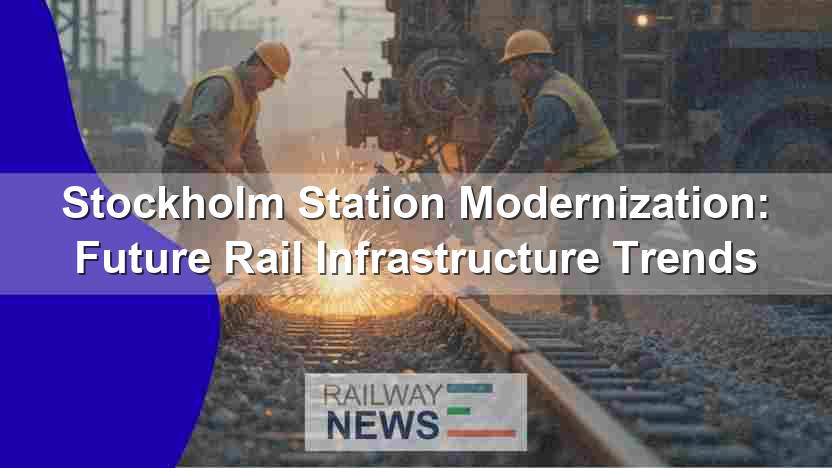
This article explores the multifaceted benefits of modernizing railway stations, focusing on the crucial interplay between improved passenger experience and enhanced operational efficiency. Modernization projects are not merely cosmetic upgrades; they represent a significant opportunity to streamline operations, improve safety, and enhance the overall travel experience for passengers. From the perspective of a railway expert, this analysis will explore the key considerations involved in such projects, examining the various facets of such ventures from a pragmatic and evidence-based perspective. This examination will highlight the importance of meticulous planning, realistic budgeting, and a detailed approach to ensure the success of these initiatives. The study will explore a case study of recent modernization efforts and will ultimately offer insights applicable to future modernization endeavors, aiming to provide invaluable guidance for stakeholders in the railway industry.
Optimizing Passenger Flow and Comfort
A critical aspect of station modernization is optimizing passenger flow. This involves strategically enhancing platforms, incorporating escalators and elevators, improving wayfinding signage, and implementing real-time information systems. Well-designed passenger information systems reduce wait times and anxiety by providing clear, concise details regarding train arrivals and departures. Additionally, the creation of spacious and well-lit waiting areas with comfortable seating areas can dramatically improve the passenger experience, making the station a more pleasant and welcoming environment. Modernization efforts often include implementing accessibility features, like ramps and accessible restrooms, thereby enhancing the travel experience for individuals with disabilities.
Enhancing Operational Efficiency and Safety
Modernization projects frequently encompass significant operational improvements. These improvements can include updating signaling and communication systems to enhance safety and reliability. Introducing automated ticket gates, advanced security systems, and modern train dispatching protocols can significantly increase efficiency and reduce the possibility of errors or delays. Moreover, a well-planned modernization will consider the integration of renewable energy sources, reducing the environmental impact and lowering operational costs. Efficient waste management systems can also be incorporated for a more sustainable approach.
Infrastructure Upgrades and Technological Integration
A crucial component of station modernization is updating the underlying infrastructure. This involves upgrades to track, platforms, and the surrounding infrastructure. These improvements contribute to safer and more reliable services. Technological advancements, such as the implementation of smart ticketing systems, automated train control, and integrated passenger information systems, are integral to optimizing the station and enhancing the overall journey. Implementing such systems contributes to reducing delays, streamlining operations, and improving real-time operational visibility.
A Case Study: Stockholm Central Station Modernization
Stockholm Central Station, a prime example of a successful station modernization project, illustrates the intricate interplay between passenger experience and operational efficiency. The project included significant infrastructure upgrades, enhanced passenger flow, and integration of new technology. This involved the construction of new platforms, the installation of advanced signaling systems, and the introduction of smart ticketing technology. The results show improved passenger flow, reduced delays, and an enhanced overall passenger experience. This successful modernization exemplifies the potential benefits of carefully planned and executed station improvements. The project resulted in a safer, more efficient, and more enjoyable travel experience for the users.
You might be interested in:
Last December 2018, we published an article about Chicago’s Red and Purple Line modernization. Click here to read – Chicago’s Red & Purple Line: A $2.1B Modernization
Conclusions: A Holistic Approach to Enhanced Railway Infrastructure
Modernizing railway stations is a complex undertaking that necessitates a holistic approach. Success hinges on careful planning, incorporating passenger needs into design considerations, and integrating advancements in technology and operational procedures. Optimizing passenger flow, enhancing safety, upgrading infrastructure, and integrating technology are vital to maximizing operational efficiency and delivering a superior passenger experience. The success of projects, like the Stockholm Central Station modernization, highlights the profound impact of detailed approaches to station improvements. By prioritizing passenger comfort, accessibility, and real-time information, while simultaneously focusing on safety, efficiency, and technological integration, railway authorities can greatly enhance the overall travel experience. This leads to increased ridership, enhanced stakeholder confidence, and fosters a more sustainable and resilient railway network. Ultimately, a well-executed modernization project demonstrates a commitment to the future of rail travel, ensuring that railways remain competitive and sustainable for years to come. The successful implementation of such initiatives creates a more robust and appealing travel experience for both commuters and tourists, contributing significantly to a positive image and perception of the railway system.

Railway infrastructure, rolling stock and transport technologies specialist focused on global rail industry developments, high-speed rail systems, signaling technologies and freight transportation. Covering railway investments, public transport modernization, rail operations and international mobility projects across Europe, Asia and North America.
RELATED POSTS

October 8, 2026 12:18 pm
Siemens Mobility signed an agreement with VinSpeed to supply 350...

October 6, 2026 2:14 am
Union Pacific launched export rail shipments with Ferromex to deliver...
October 6, 2026 7:12 pm
BNSF confirmed a deal with Spearpoint Logistics to run freight...
October 7, 2026 5:15 pm
Canada confirmed a $113 billion rail cost for the Quebec...
October 9, 2026 3:11 pm
Wabtec secured a $700 million service deal in Guinea to...

October 1, 2026 3:12 am
Greenbrier confirmed Brian Comstock as new president and CEO effective...