
Stadler Wins €50M Bergen Light Rail Signaling Contract
Stadler’s €50 million contract for the comprehensive signaling system upgrade in Bergen light rail network represents a significant investment in modernizing and expanding infrastructure, emphasizing safety standards (SIL 2/4) to ensure efficient and reliable operation.
Introduction
This article explores the significant contract awarded to Stadler by Bybanen Utbygging (the state-owned entity responsible for the Bergen light rail expansion) for the supply and implementation of a detailed signaling system for the Bybanen light rail network in Bergen, Norway. The €50 million ($56.8 million) contract represents a substantial investment in upgrading and expanding the existing infrastructure to accommodate the ongoing network expansion, significantly the extension towards the Asane suburb and future phases towards Loddefjord. This article will explore the specifics of Stadler’s awarded contract, highlighting the technological advancements incorporated, the importance of safety standards adhered to (Safety Integrity Level or SIL), and the long-term implications for the efficiency and reliability of the Bergen light rail system. We will examine Stadler’s experience with the project, their technological capabilities, and the future potential for similar projects globally. The significance of this contract extends beyond a simple technological upgrade, impacting urban transportation, economic development, and the broader landscape of light rail signaling technology. This analysis will provide a detailed look into the complexities of modern rail signaling, offering valuable insight into the crucial role of such systems in the efficient operation and safety of urban transit networks.
Stadler’s Detailed Signaling Solution
Stadler’s contract encompasses the complete design, delivery, and implementation of the signaling system for the Bybanen expansion. This includes critical components such as train signaling systems (incorporating track circuits or wheel sensors for train detection), train protection systems (ensuring the safety of both the line and rolling stock), and train identification technology. The system will be designed to meet the stringent safety requirements mandated by the project, achieving a Safety Integrity Level (SIL) 2 for the overall system, with individual components meeting the even higher SIL 4 standard. This highlights Stadler’s commitment to delivering a robust and reliable system that prioritizes passenger and operational safety.
Control Center and Infrastructure
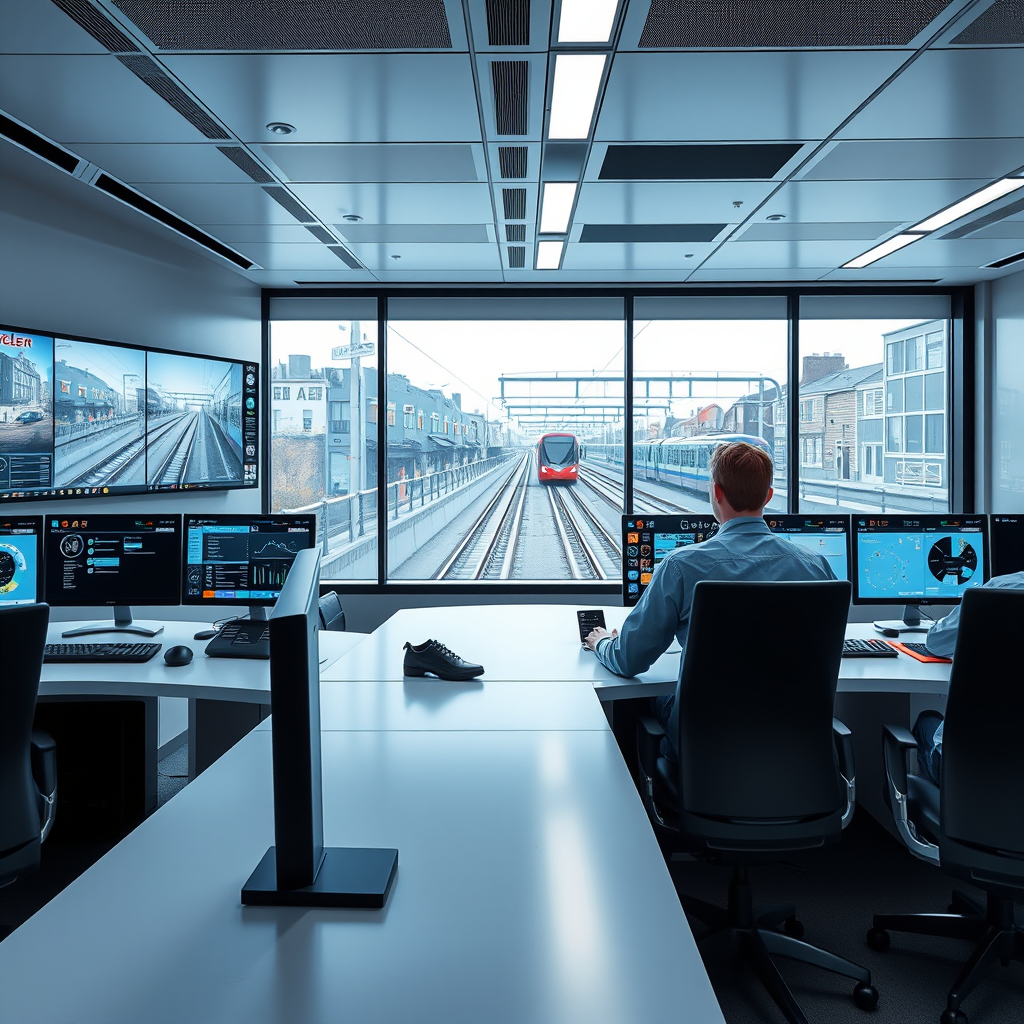
Beyond the core train signaling elements, the contract also includes the supply and installation of a fully equipped control center. This control center will feature multiple operator workstations equipped with advanced monitoring and control capabilities, along with dedicated training consoles that incorporate extensive simulation capabilities for operator training and emergency scenario rehearsals. This modern approach to training ensures optimal preparedness for various operational scenarios, minimizing potential human error and enhancing overall safety. Additionally, the project includes the provision of signals, switch point heaters (crucial for reliable operation in cold climates), contributing to the overall efficiency and reliability of the system.
Stadler’s Expertise and Long-Term Partnership
Stadler’s selection as the preferred bidder underscores their extensive experience in the rail signaling sector and their proven track record. Having been involved in the Bergen tramway project since 2007 (initially supplying trams), and actively contributing to various line sections since 2008, Stadler possesses a deep understanding of the specific requirements of the Bybanen system. This existing relationship and deep understanding of the system’s unique characteristics are critical in ensuring a smooth integration of the new signaling technology. This long-term partnership highlights the value of consistent engagement and collaboration between infrastructure providers and signaling technology suppliers.
Future Implications and Technological Advancements
The implementation of Stadler’s advanced signaling technology will significantly enhance the operational efficiency and safety of the Bybanen light rail system. The advanced capabilities, adhering to high SIL standards, minimize the risk of accidents and contribute to a more reliable transit network. The scalable design, as emphasized by Stadler, ensures the system’s adaptability to future expansion phases, proving its long-term value and cost-effectiveness. This project serves as a compelling example of how advanced signaling technology is improving urban transportation systems globally, and Stadler’s success in securing this contract positions them as a leader in providing cutting-edge solutions for the ever-evolving needs of modern light rail networks.
Conclusions
Stadler’s €50 million contract for the Bybanen light rail signaling system in Bergen, Norway, signifies a major step forward in modernizing urban transportation infrastructure. The project highlights Stadler’s commitment to providing detailed, high-safety, and scalable signaling solutions. The contract’s scope extends beyond simply supplying equipment, encompassing the planning, delivery, and implementation of a complete signaling system, including train signaling systems, train control, and a fully equipped control center with advanced simulation capabilities for operator training. The emphasis on safety is paramount, with the system designed to meet SIL 2 standards, with individual components achieving SIL 4. This focus on safety ensures the system’s reliability and mitigates operational risks. Stadler’s extensive experience with the Bybanen project, dating back to 2007, underscores their understanding of the system’s specific needs and contributes to a smooth and efficient implementation. The project’s scalable design ensures adaptability to future network expansions, guaranteeing long-term value and cost-effectiveness. The success of this project will serve as a benchmark for future urban light rail signaling projects globally, showcasing the benefits of advanced technology in enhancing efficiency, reliability, and safety. The contract’s award is not just a testament to Stadler’s technological prowess but also underscores the growing importance of investing in advanced signaling technologies to improve urban transportation networks worldwide. The integration of this cutting-edge technology will transform the Bergen light rail system, improving operational efficiency, enhancing passenger safety, and setting a new standard for future light rail infrastructure development.

Railway infrastructure, rolling stock and transport technologies specialist focused on global rail industry developments, high-speed rail systems, signaling technologies and freight transportation. Covering railway investments, public transport modernization, rail operations and international mobility projects across Europe, Asia and North America.
RELATED POSTS

September 6, 2026 5:19 am
Hitachi delivered Taiwan's first N700ST high-speed train from Japan in...

September 6, 2026 1:17 am
Hitachi Toshiba Supreme Consortium confirmed the first of 12 N700ST...

September 6, 2026 6:17 am
Hungary ordered a national ban on most freight trains from...

September 5, 2026 4:19 pm
CPK launched formal tender talks with four consortia to design...

September 6, 2026 4:12 am
Alstom delivered the first of 100 new G Class trams...

September 5, 2026 7:14 pm
HS2 Ltd signed renegotiated civils contracts with EKFB and Align...