
Stadler Secures BLT 63 Trams 4G 5G CBTC Basel
Stadler secured a contract to equip 63 BLT trams with 4G/5G CBTC in Basel, with tests starting 2027.
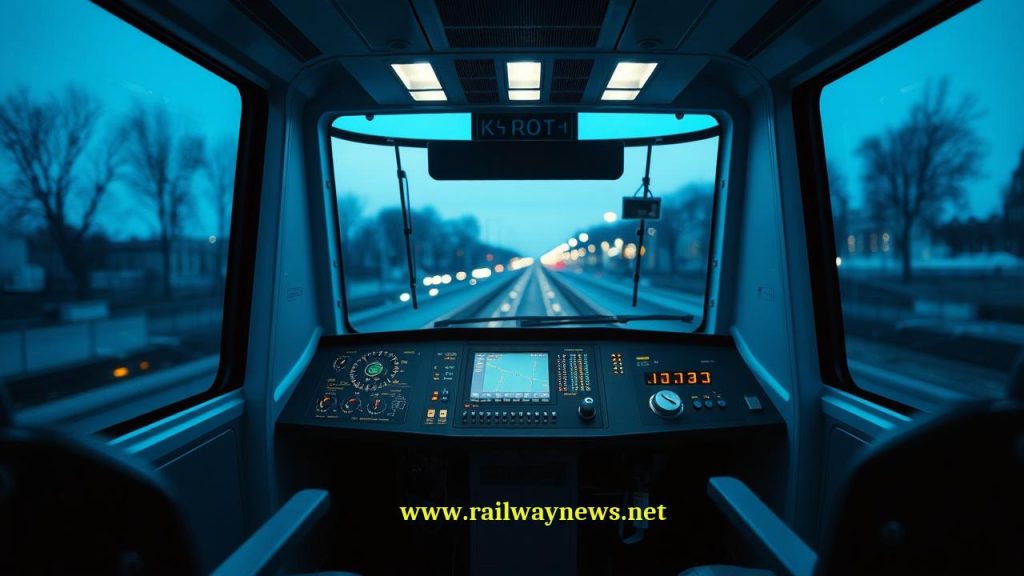
⚡ In Brief: Swiss operator BLT Baselland Transport AG has contracted Stadler to equip 63 trams on its main Basel network with a semi-automated, 4G/5G-based train control system, with initial testing scheduled for 2027.
BASEL, SWITZERLAND – Baselland Transport AG (BLT) has awarded Stadler a contract to install its Communications-Based Train Control (CBTC) system across its main tram network in the Basel metropolitan area. The project will equip a total of 63 trams (38 Tango and 25 TINA models) with the semi-automated technology. The first tests on Line 11 are planned for 2027, following a successful pilot on the Waldenburg line.
What Are the Technical Specifications?
The system to be deployed is a CBTC solution operating at Grade of Automation 2 (GoA2), also known as semi-automated operation. Under GoA2, onboard personnel authorise the train to depart, after which the system automatically controls acceleration, braking, speed, and precise stopping at stations. Communication between the 63 vehicles and trackside equipment will leverage public 4G and 5G mobile networks, avoiding the need for dedicated radio infrastructure.
Key Technical Data
| Parameter | Value |
|---|---|
| Technology / System Name | Stadler Communications-Based Train Control (CBTC) |
| Total Value | Not disclosed |
| Parties Involved | BLT Baselland Transport AG, Stadler |
| Timeline / Completion | Phased rollout with first tests on Line 11 in 2027 |
| Country / Corridor | Switzerland / BLT main network in Basel |
Where Does This Technology Stand in the Market?
Stadler’s application of CBTC over public 5G for a tram network marks a strategic expansion from its successful pilot on the Waldenburg regional line. While major competitors offer mature CBTC products, their primary deployments have been in metro systems using dedicated radio networks. Siemens Mobility’s Trainguard MT system, for example, is used on metro lines in cities like London and Paris, while Alstom’s Urbalis 400 is deployed on over 100 metro lines globally, including in Singapore and Sydney (Source: Siemens Mobility, Alstom). The BLT project’s use of public mobile networks for primary train control on a complex urban tram network differentiates it from these traditional metro applications and highlights a move toward lower-cost, infrastructure-light signalling solutions.
Editor’s Analysis
This contract solidifies Stadler’s evolution from a rolling stock manufacturer to an integrated systems provider, directly competing with signalling incumbents in its home market. The decision to scale up from a single-line pilot to a full metropolitan network validates the reliability of using public 5G for safety-critical operations, a key industry objective. This approach aligns with the wider market trend of digital rail integration, which leverages existing telecom infrastructure to reduce capital expenditure, a trend supported by stabilising conditions in the wireless RAN market (Source: Dell’Oro Group, 2024).
FAQ
Q: What level of automation will the Basel trams have?
A: The trams will operate at Grade of Automation 2 (GoA2). This means a driver remains on board to supervise operations and authorise departure, but the system automatically controls the train’s speed and stopping.
Q: When will the new system be fully operational?
A: The rollout will be phased. The first tests involving the 63 retrofitted trams are scheduled for Line 11 in 2027, after which the system will be introduced across the entire BLT main network.
Q: How does this project impact Stadler’s business in Switzerland?
A: This project strengthens Stadler’s position as a key technology partner in the Swiss rail market, complementing recent rolling stock contracts like the CHF 30 million order from Gornergrat Bahn. It demonstrates their growing capability in the lucrative signalling and digitalisation sector.

Railway infrastructure, rolling stock and transport technologies specialist focused on global rail industry developments, high-speed rail systems, signaling technologies and freight transportation. Covering railway investments, public transport modernization, rail operations and international mobility projects across Europe, Asia and North America.
RELATED POSTS

October 8, 2026 1:15 pm
Alstom secured a €1bn contract to build 13 automated trains,...

October 1, 2026 7:09 am
United States regulators confirmed a September 30 deadline for the...

October 8, 2026 12:18 pm
Siemens Mobility signed an agreement with VinSpeed to supply 350...

October 4, 2026 5:14 pm
Alstom secured a CA$4.7 billion order from VIA Rail Canada...

October 5, 2026 6:12 pm
AECOM and Jacobs secured a contract in September 2026 to...

October 1, 2026 12:13 am
Illinois approved $1.5 billion annually for the Northern Illinois Transit...