
UK Rail Operator Completes £45,000 Waiting Room Security Upgrade
UK rail operator completed a £45,000 waiting room security upgrade with remote locking in January to improve security.
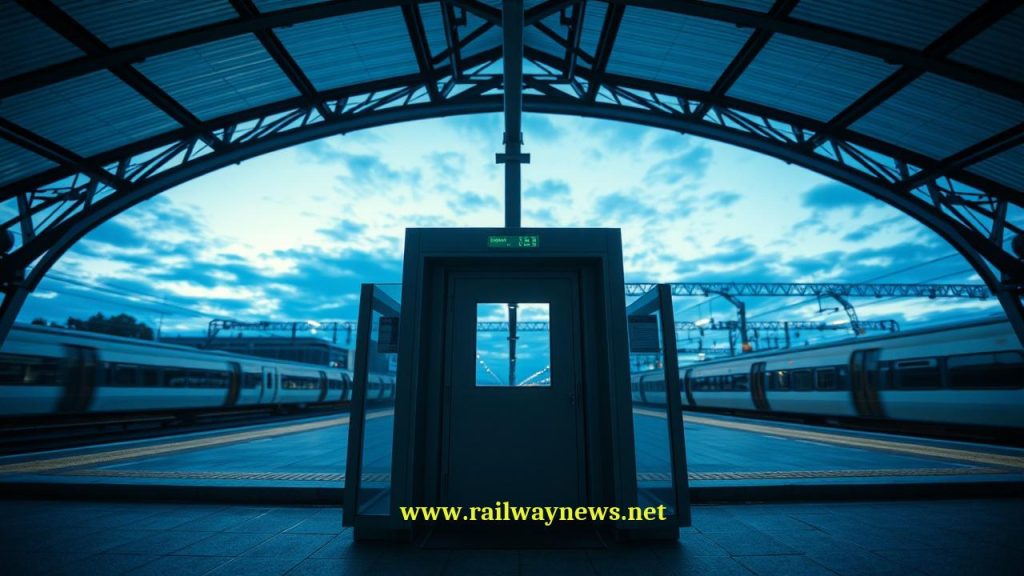
⚡ In Brief: A UK rail operator has invested £45,000 in a new remote locking system for station waiting rooms, installed in January, to improve security and accessibility when staff are not on-site.
UNITED KINGDOM – An unnamed UK rail operator has completed a £45,000 project to install a remote locking and security system for its station waiting rooms. The new system, which went live in January, replaces a manual process that was dependent on staff availability. The operator states the goal is to enhance passenger safety and reduce anti-social behaviour at unstaffed times.
What Are the Technical Specifications?
The system enables remote locking and unlocking of waiting room facilities via a centralised control interface. This replaces a legacy manual, key-based system that created inconsistencies in access and security due to varying staff presence across the network. The upgrade is designed to provide reliable security, control access during off-peak hours, and help mitigate issues like vandalism and trespassing. The specific technology provider for the system was not disclosed.
Key Technical Data
| Parameter | Value |
|---|---|
| Technology / System Name | Remote Waiting Room Access Control System |
| Total Value | £45,000 |
| Parties Involved | Unnamed UK rail operator |
| Timeline / Completion | January (Installation complete) |
| Country / Corridor | United Kingdom (Specific stations not disclosed) |
Where Does This Technology Stand in the Market?
This type of targeted, small-scale technology deployment contrasts with larger network-wide investments but addresses a persistent operational challenge. For example, Indian Railways’ 2024 contract for 12,000 RTIS devices focuses on system-wide real-time train tracking, a project of a vastly different scale aimed at network logistics (Source: Developing Telecoms, 2024). This £45,000 project represents a ‘micro-investment’ aimed at a specific passenger-facing vulnerability: inconsistent facility security due to staffing levels, a challenge also seen in the aviation sector where TSA staff shortages have impacted airport operations (Source: AP News).
While the vendor is unknown, this solution operates in a market with established access control providers like Paxton Access and Salto Systems, which offer cloud-based platforms for managing building access remotely. These systems typically use networked door controllers and centralised software to grant or deny entry based on schedules or real-time commands, a significant operational upgrade from manual key-based processes.
Editor’s Analysis
This project exemplifies a trend of using targeted, low-cost technology to solve legacy operational issues without requiring major capital expenditure. In an environment where large infrastructure projects face significant financial pressures, as seen with Sound Transit’s multi-billion dollar cost revisions for its light rail expansion (Source: KOMO News), such focused investments offer a high return on passenger safety and facility management. This approach reflects a broader industry shift towards data-driven, automated solutions to mitigate vulnerabilities and improve asset utilisation with minimal human intervention.
FAQ
Q: Why was the new system installed?
A: The system was installed to replace an unreliable manual locking process that depended on staff availability. The operator aims to create more consistent security, reduce vandalism, and improve the passenger environment, particularly during quiet periods.
Q: How much did the waiting room upgrade cost?
A: The project had a total cost of £45,000. The number of stations included in this initial installation was not specified by the operator.
Q: Does this technology impact passenger access times?
A: The operator’s stated goal is to improve accessibility by ensuring rooms are open when they should be, independent of staff presence. However, the system also allows rooms to be secured remotely, meaning access will be governed by the operator’s centrally managed schedule rather than on-site staff discretion.

Railway infrastructure, rolling stock and transport technologies specialist focused on global rail industry developments, high-speed rail systems, signaling technologies and freight transportation. Covering railway investments, public transport modernization, rail operations and international mobility projects across Europe, Asia and North America.
RELATED POSTS

October 1, 2026 7:09 am
United States regulators confirmed a September 30 deadline for the...

October 8, 2026 1:15 pm
Alstom secured a €1bn contract to build 13 automated trains,...

October 4, 2026 5:14 pm
Alstom secured a CA$4.7 billion order from VIA Rail Canada...

October 1, 2026 12:13 am
Illinois approved $1.5 billion annually for the Northern Illinois Transit...

October 6, 2026 2:14 am
Union Pacific launched export rail shipments with Ferromex to deliver...

October 8, 2026 12:18 pm
Siemens Mobility signed an agreement with VinSpeed to supply 350...