
SNCF Launches 15 TGV M Trains in Italy by 2027
Italy’s AGCM approved SNCF to launch 15 TGV M trains by Sept 2027. Operating Turin-Naples & Turin-Venice routes, adding 10M+ passengers/year to the liberalized high-speed rail market.
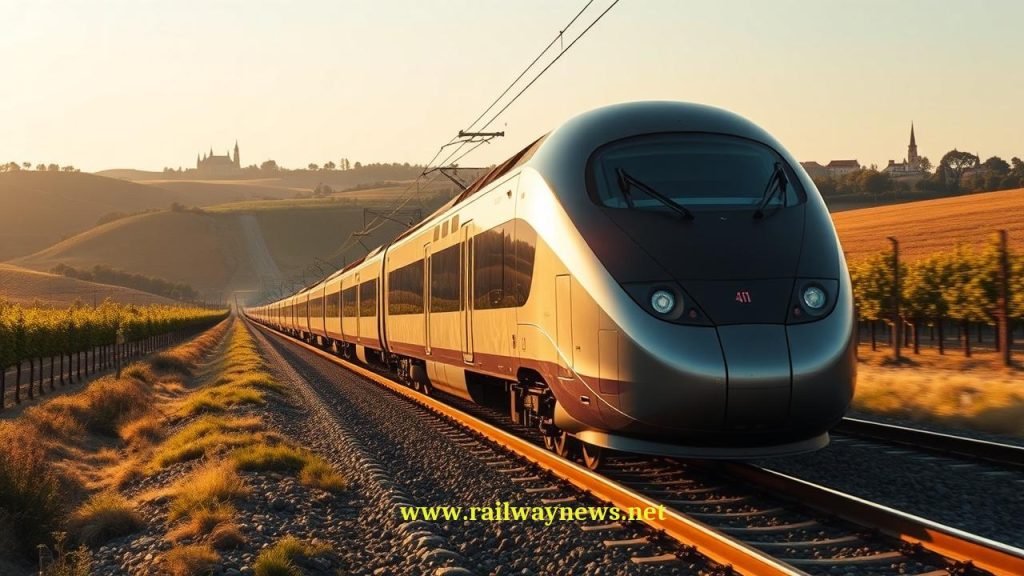
⚡ In Brief: Italy’s competition authority (AGCM) approved commitments in March 2025 enabling SNCF to launch high-speed services from September 2027, planning to operate 15 TGV M trains on routes including Turin-Naples and Turin-Venice.
ROME – Italy’s Competition and Market Authority (AGCM) in March 2025 approved commitments from infrastructure manager Rete Ferroviaria Italiana (RFI) to ensure fair market access, clearing a path for SNCF Voyages Italia to enter the domestic high-speed rail market. The French state-owned operator plans to launch services with 15 new trains from September 2027. The project, which anticipates carrying over 10 million passengers per year, requires further access to railway routes and maintenance facilities to become fully operational.
What Does This Regulation Cover?
The AGCM decision legally accepts the commitments made by infrastructure manager RFI to guarantee equitable access for new entrants to the high-speed network. This ruling immediately recognizes some of the specific railway routes requested by SNCF, enabling the operator to proceed with its investment plan. The plan includes 13 daily train pairs: nine on the core Turin–Naples artery and four between Turin and Venice. However, the initial approval only covers a portion of these requested slots, with full access still required to justify the total planned investment.
Key Regulatory Data
| Parameter | Value |
|---|---|
| Regulation / Policy Name | AGCM Decision on RFI Commitments for Fair Market Access |
| Total Value | Not disclosed (Projected economic benefit of over €480M annually) |
| Parties Involved | SNCF Voyages Italia (operator), RFI (infrastructure manager), AGCM (regulator) |
| Timeline / Completion | Service launch planned for September 2027 |
| Country / Corridor | Italy / Turin-Naples and Turin-Venice high-speed lines |
How Does This Compare to Global Standards?
This development cements Italy’s position as one of Europe’s most liberalized high-speed rail markets, a status it has held since private operator NTV Italo launched services in 2012. The entry of a third operator places Italy’s market structure on par with Spain, which has seen intense competition since 2020 among state-owned Renfe, SNCF’s low-cost Ouigo brand, and Trenitalia-backed Iryo. This contrasts sharply with Germany, where incumbent Deutsche Bahn maintains a near-monopoly on high-speed services, and France, where competition on key domestic routes has only recently begun with Trenitalia’s entry on the Paris-Lyon corridor. The Italian model of sustained, multi-operator competition remains an exception rather than the rule across the continent.
Editor’s Analysis
The AGCM’s ruling is more than a procedural step; it reinforces Italy’s role as a testbed for on-rail competition under the EU’s Fourth Railway Package. SNCF’s entry is timed to capitalize on strong economic tailwinds, including robust investor confidence in Italian infrastructure and a booming tourism market that is driving hotel investment. (Source: Hospitality Net, 2026). The success or failure of a three-operator system on the core Turin-Naples route will be closely watched by regulators and potential market entrants in other EU nations considering further market liberalisation.
FAQ
Q: What specific trains will SNCF use in Italy?
A: SNCF plans to use 15 new-generation, double-decker TGV M trains for its Italian services. These units will be specifically adapted to comply with the technical standards and signalling systems of the Italian rail infrastructure.
Q: What are the main obstacles still facing SNCF?
A: The company must secure access to a larger number of railway routes to operate its full schedule of 13 daily train pairs, which it states is the minimum for the investment to be viable. It also requires guaranteed access to maintenance facilities in Italy and must complete the final train approval procedures.
Q: How will this affect passengers in Italy?
A: The entry of a third operator is expected to increase competition, which typically leads to more service options, greater frequency, and potentially lower fares for passengers traveling between major cities like Milan, Rome, and Naples. The introduction of over 10 million additional seats per year will significantly increase capacity on the network.

Railway infrastructure, rolling stock and transport technologies specialist focused on global rail industry developments, high-speed rail systems, signaling technologies and freight transportation. Covering railway investments, public transport modernization, rail operations and international mobility projects across Europe, Asia and North America.
RELATED POSTS

October 8, 2026 1:15 pm
Alstom secured a €1bn contract to build 13 automated trains,...

October 1, 2026 7:09 am
United States regulators confirmed a September 30 deadline for the...

October 8, 2026 12:18 pm
Siemens Mobility signed an agreement with VinSpeed to supply 350...

October 4, 2026 5:14 pm
Alstom secured a CA$4.7 billion order from VIA Rail Canada...

October 1, 2026 12:13 am
Illinois approved $1.5 billion annually for the Northern Illinois Transit...

October 1, 2026 6:10 am
Amtrak approved a System Expansion Committee on July 30 to...