
Siemens £100M Rail Tech Hub: UK Innovation
Siemens Mobility’s £100 million rail technology facility in Chippenham, Wiltshire, represents a significant investment in UK rail infrastructure, focusing on innovation and sustainability to enhance operational efficiency and passenger experience while promoting environmental responsibility.
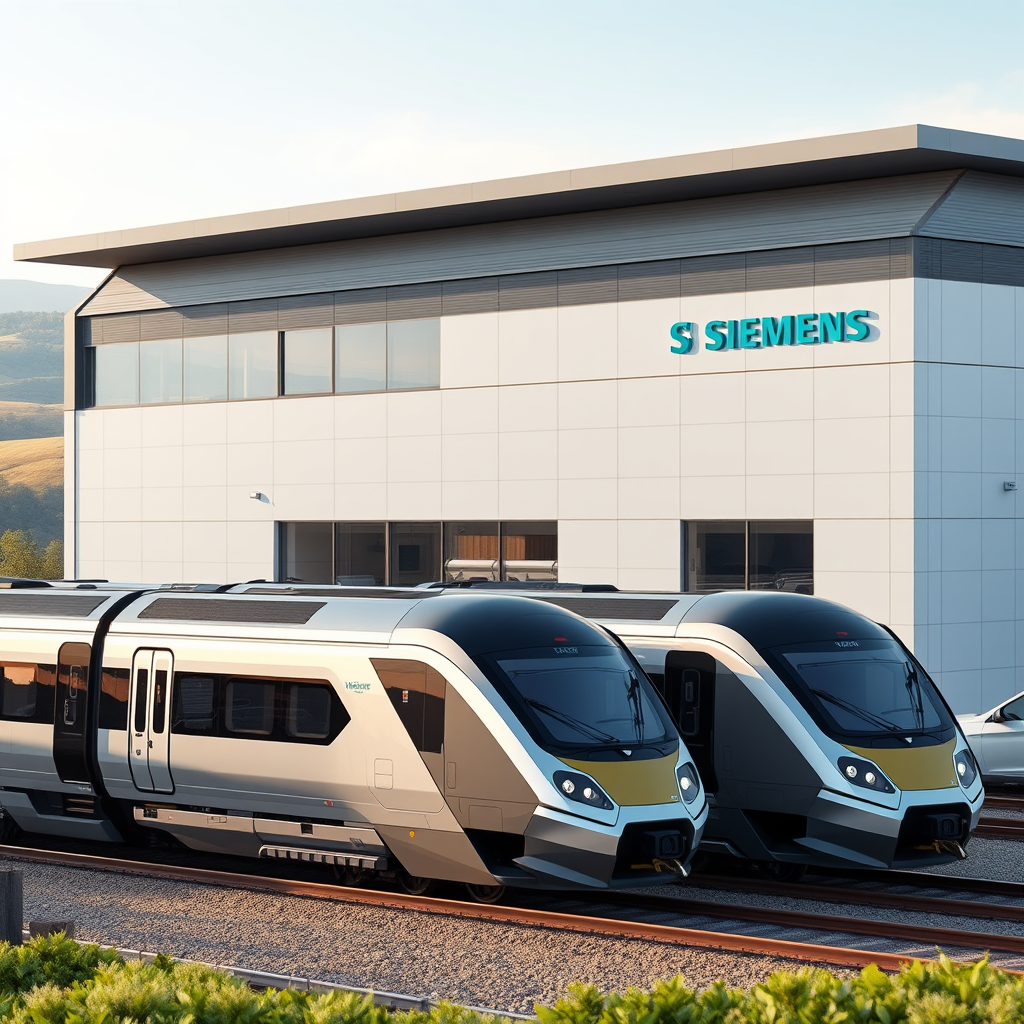
Siemens Mobility’s New £100 Million Rail Technology Facility in the UK: A Catalyst for Innovation and Sustainable Growth
The UK railway industry is undergoing a significant transformation, driven by the need for enhanced efficiency, improved passenger experience, and a commitment to environmental sustainability. This article explores the groundbreaking of Siemens Mobility’s new £100 million (approximately $126 million USD) facility in Chippenham, Wiltshire, a project that represents a substantial investment in the future of rail technology in the UK and beyond. The facility, slated to open in 2026, promises to be a hub for innovation, employing approximately 800 people and focusing on the development and manufacturing of advanced rail signaling and control systems. This investment not only signifies Siemens Mobility’s commitment to the UK market but also highlights the broader trend towards modernization and technological advancement within the national rail network. The implications for the UK rail industry, from enhanced operational efficiency to improved passenger services, are profound and will be examined in detail throughout this article.
A Significant Investment in UK Rail Infrastructure
The £100 million investment by Siemens Mobility represents a substantial commitment to upgrading the UK’s rail infrastructure. This new facility will play a crucial role in developing and producing cutting-edge signaling and control systems, vital components for improving the safety, reliability, and efficiency of the railway network. The scale of the investment underscores the importance of modernizing signaling technology, a key factor in addressing current capacity constraints and enabling future expansion. The facility’s focus on both domestic and international markets further solidifies the UK’s position as a leader in rail technology innovation. The projected employment of 800 individuals also signifies a considerable boost to the local economy and the wider UK job market, attracting and retaining skilled professionals within the rail sector.
Sustainability at the Core: A BREEAM ‘Excellent’ Facility
Beyond the technological advancements, Siemens Mobility’s commitment to sustainability is integral to the Chippenham facility’s design. Adhering to BREEAM (Building Research Establishment Environmental Assessment Method) ‘Excellent’ standards ensures that the facility incorporates energy-efficient production areas and sustainable office spaces, minimizing its environmental impact. This commitment extends beyond the building itself, encompassing initiatives to promote biodiversity through the enhancement of green spaces, planting of native species, and creation of new wildlife habitats. This focus on sustainability aligns with the broader industry trend towards environmentally responsible rail operations, demonstrating a commitment to reducing the carbon footprint of rail transport.
Collaboration and Partnerships: Driving Innovation
The project’s success hinges on effective collaboration and strategic partnerships. Siemens Mobility’s selection of Bowmer + Kirkland as the main contractor highlights the importance of experienced and reputable construction partners. Bowmer + Kirkland’s expertise in sustainable construction methods aligns perfectly with Siemens Mobility’s environmental objectives. Additionally, the framework agreement with RIVE Private Investment (Northrail’s parent company) for the supply of up to 50 Vectron locomotives demonstrates Siemens Mobility’s commitment to providing detailed rail solutions. This collaborative approach underscores the importance of integrating various aspects of rail technology and infrastructure development for optimal results.
Conclusion: Shaping the Future of UK Rail
The construction of Siemens Mobility’s new facility in Chippenham marks a pivotal moment for the UK rail industry. The £100 million investment signals a strong commitment to innovation, technological advancement, and sustainable practices. The creation of a state-of-the-art facility focused on advanced signaling and control systems will undoubtedly improve the efficiency, reliability, and safety of the UK rail network. The projected 800 jobs represent a significant contribution to the local and national economy. Additionally, the facility’s adherence to BREEAM ‘Excellent’ standards and commitment to biodiversity demonstrate a forward-thinking approach to environmentally responsible infrastructure development. The collaborative partnerships established with Bowmer + Kirkland and RIVE Private Investment further strengthen the project’s potential for success. To summarize, this new facility is more than just a building; it represents a significant step towards a more modern, efficient, and sustainable railway system for the UK, impacting not only the rail industry but the wider economy and environment. The long-term benefits, including improved passenger experience, increased capacity, and reduced environmental impact, are expected to be substantial. This investment serves as a powerful example of how private sector investment and public policy can work together to shape a better future for rail travel.

Railway infrastructure, rolling stock and transport technologies specialist focused on global rail industry developments, high-speed rail systems, signaling technologies and freight transportation. Covering railway investments, public transport modernization, rail operations and international mobility projects across Europe, Asia and North America.
RELATED POSTS

October 1, 2026 7:09 am
United States regulators confirmed a September 30 deadline for the...

October 8, 2026 1:15 pm
Alstom secured a €1bn contract to build 13 automated trains,...

October 4, 2026 5:14 pm
Alstom secured a CA$4.7 billion order from VIA Rail Canada...

October 1, 2026 12:13 am
Illinois approved $1.5 billion annually for the Northern Illinois Transit...

October 6, 2026 2:14 am
Union Pacific launched export rail shipments with Ferromex to deliver...

October 1, 2026 6:10 am
Amtrak approved a System Expansion Committee on July 30 to...