
Rail Signaling Advancements: Future Trends
Rail signaling’s evolution: from semaphores to AI-powered systems, boosting capacity and safety dramatically. Discover how advanced technology is revolutionizing rail networks!
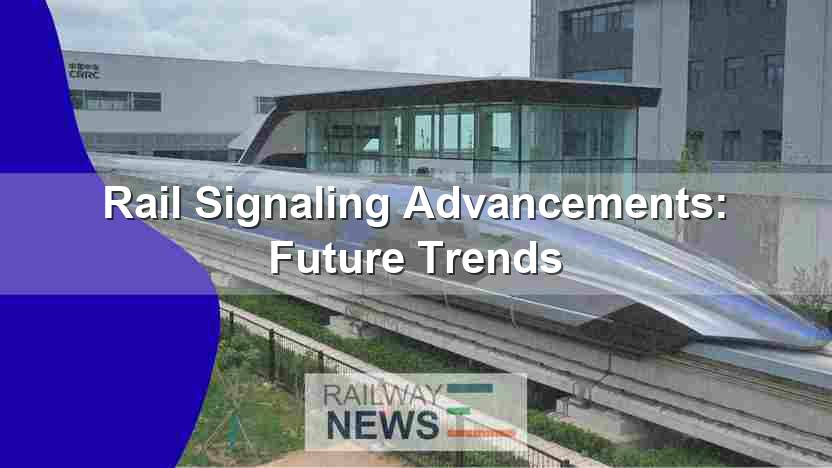
The modern railway system is a marvel of engineering, a complex interplay of rolling stock, infrastructure, and signaling systems working in concert to move millions of passengers and tons of freight daily. This article explores the crucial role of rail signaling in enhancing both the capacity and safety of railway networks. We will explore the historical development of signaling technologies, from rudimentary semaphore signals to the sophisticated computerized systems of today. The analysis will highlight the critical advancements that have increased line capacity, reduced delays, and dramatically improved safety standards. We will also examine the ongoing technological innovations shaping the future of rail signaling, including the integration of data analytics and AI (Artificial Intelligence) to further optimize network performance and anticipate potential problems. Finally, we will consider the challenges and opportunities presented by the increasing complexity of modern railway systems and the need for robust and reliable signaling infrastructure. This exploration will provide a detailed overview of how signaling systems have evolved and continue to be central to the efficient and safe operation of railways worldwide.
The Transition from Mechanical to Electronic Signaling
Early railway signaling systems relied on mechanical devices like semaphores and track circuits. These systems, while effective for their time, were limited in capacity and prone to human error. The introduction of electronic signaling marked a significant leap forward. Electrically controlled signals allowed for more complex routing and increased operational flexibility. This transition also facilitated the development of automatic train protection (ATP) systems, which actively monitor train speed and position, automatically applying the brakes if necessary to prevent accidents. The development of centralized traffic control (CTC) further improved efficiency by allowing a single operator to control the signaling and train movements across a significant stretch of track. This significantly increased throughput and reduced the risk of human error in coordinating train movements. This electronic shift formed the foundation for more advanced systems yet to come.
The Rise of Computer-Based Signaling Systems
The advent of computers revolutionized rail signaling. Modern signaling systems utilize sophisticated software to manage and monitor train movements in real-time. These systems offer significant advantages over their predecessors: improved reliability, increased capacity, and enhanced safety features. Computer-based systems can handle a far greater volume of train movements than older mechanical or even early electronic systems, allowing for denser train schedules and increased operational efficiency. Additionally, these systems allow for advanced features such as automatic train supervision (ATS) and train control management systems (TCMS), which provide operators with real-time data on train locations, speeds, and other critical parameters. These systems are central to managing and optimizing today’s complex railway networks.
Integration of Communication-Based Train Control (CBTC)
Communication-Based Train Control (CBTC) represents the cutting edge of rail signaling technology. Unlike traditional systems that rely on fixed track circuits, CBTC uses continuous communication between the train and the signaling system to precisely control train movements. This allows for much shorter headways (the distance between trains) and significantly higher capacity compared to traditional systems. CBTC systems enhance safety by constantly monitoring the train’s position and speed and can automatically adjust train speed to maintain safe distances. Many modern urban rail systems are now adopting CBTC to increase their capacity and enhance operational efficiency. The high level of precision and real-time control offered by CBTC represents a significant advancement in rail technology, impacting system capacity and safety in substantial ways.
The Future of Rail Signaling: Data Analytics and AI
The future of rail signaling lies in leveraging the power of big data and artificial intelligence (AI). The vast amounts of data generated by modern signaling systems offer valuable insights into network performance and potential problems. Data analytics can be used to identify bottlenecks, predict equipment failures, and optimize train schedules for improved efficiency and punctuality. AI can further enhance this process by automating tasks such as fault detection and diagnosis, reducing the need for manual intervention. The integration of AI and machine learning (ML) will enable predictive maintenance, allowing railway operators to proactively address potential issues before they cause significant disruption. The use of advanced analytics is crucial for proactive management of railway assets, maximizing uptime, and reducing operational costs. The Elizabeth line roundels, for example, are a visual representation of the modern, technologically advanced signaling system underpinning the line’s operation, showcasing the seamless integration of technology and infrastructure.
You might be interested in:
Last May 2019, we had a great article about CAF’s acquisition of EuroMaint and its impact on the Nordic rail market. Click here to read – CAF Acquires EuroMaint: Nordic Rail Expansion
Conclusions
This article has explored the significant advancements in rail signaling technology, tracing its evolution from basic mechanical systems to sophisticated computer-based and communication-based systems. The transition from mechanical semaphores to electronic and then computer-based systems has drastically increased railway network capacity. Centralized Traffic Control (CTC) and Automatic Train Protection (ATP) have played pivotal roles in improving operational efficiency and safety. The introduction of Communication-Based Train Control (CBTC) represents a major leap forward, allowing for significantly higher train densities and further enhancing safety protocols. The integration of data analytics and AI promises to revolutionize railway operations further, enabling predictive maintenance, optimized scheduling, and proactive problem-solving. The Elizabeth line roundels serve as a powerful visual symbol of the technological sophistication behind modern rail signaling systems. The ongoing development and implementation of these advanced technologies are essential to meet the growing demands on railway networks worldwide, ensuring both safety and efficiency for passengers and freight transport. The future of rail signaling lies in the continued development and integration of cutting-edge technologies to create even safer, more efficient, and sustainable railway systems capable of handling the increasing demands of global transportation needs. The benefits of these improvements extend beyond simple efficiency gains; improved signaling translates to increased safety, reducing accidents and protecting both passengers and railway workers. This ongoing evolution is crucial for the future of rail transportation, ensuring its continued role as a vital mode of transport for both people and goods in the years to come.

Railway infrastructure, rolling stock and transport technologies specialist focused on global rail industry developments, high-speed rail systems, signaling technologies and freight transportation. Covering railway investments, public transport modernization, rail operations and international mobility projects across Europe, Asia and North America.
RELATED POSTS

October 1, 2026 7:09 am
United States regulators confirmed a September 30 deadline for the...

October 8, 2026 1:15 pm
Alstom secured a €1bn contract to build 13 automated trains,...

October 4, 2026 5:14 pm
Alstom secured a CA$4.7 billion order from VIA Rail Canada...

October 1, 2026 12:13 am
Illinois approved $1.5 billion annually for the Northern Illinois Transit...

October 6, 2026 2:14 am
Union Pacific launched export rail shipments with Ferromex to deliver...

October 1, 2026 6:10 am
Amtrak approved a System Expansion Committee on July 30 to...