
Rail Safety Revolution: DAS Intrusion Detection Pilot for CTA
CTA pilots intrusion detection system to boost rail safety. New tech automatically detects intrusions, fallen objects.

CTA to Pilot Cutting-Edge Intrusion Detection System to Enhance Rail Safety
The Chicago Transit Authority (CTA) is poised to revolutionize its rail safety protocols. In a significant move, the CTA has approved an agreement with Sensonic, a leader in fiber optic sensing technology, to pilot a system that automatically detects intrusions and fallen objects on its right-of-way. This 12-month pilot program, scheduled to begin shortly, aims to leverage innovative Distributed Acoustic Sensing (DAS) technology to bolster passenger safety, reduce service disruptions, and improve overall operational reliability. The project’s impetus lies in mitigating the risks posed by unauthorized access to tracks and the presence of debris, which can lead to catastrophic consequences. The initiative, which will be tested across elevated, grade-level, and subway sections of the CTA’s vast network, underscores the agency’s commitment to proactive safety measures and the integration of advanced technologies. The “how” of the project involves the use of highly sensitive sensors that can distinguish between normal train movements and anomalous events, such as falling objects or people on the tracks, and is part of a USD 110,700 investment.
Innovations in Track Maintenance
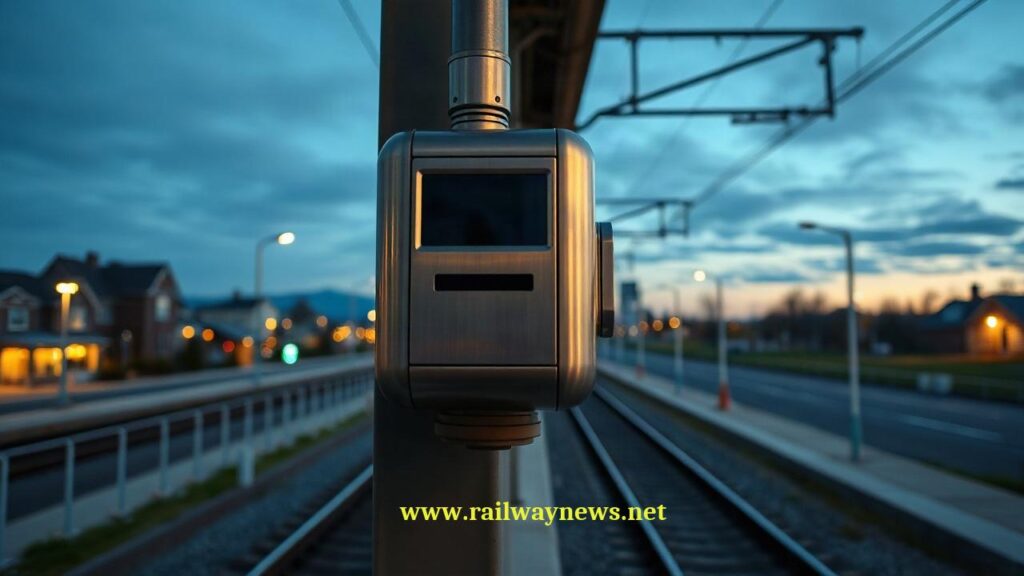
Sensonic’s solution will utilize a fiber optic vibration sensing device that monitors large objects falling onto the tracks. The core of this system is Sensonic’s DAS technology, which transforms existing fiber optic cables into a continuous network of acoustic sensors. By monitoring minute changes in light scattering caused by acoustic vibrations, the system can differentiate between routine operational vibrations and those caused by intruders or falling debris. This is an innovative approach to track maintenance, moving away from reactive responses to potential safety hazards toward a proactive detection system. The system’s ability to detect anomalous events in real-time allows for immediate responses, significantly reducing the risk of accidents and service delays. A single Sensonic sensing device is capable of covering up to an 85.5-km range, making it suitable for the CTA’s extensive network.
A Deep Dive into Distributed Acoustic Sensing (DAS)
The efficacy of the CTA’s pilot program heavily depends on the functionality of DAS technology. DAS is a technique that uses fiber optic cables to measure the vibrations and acoustic changes in the surrounding environment. When used in this rail application, the fiber optic cable acts as a continuous array of acoustic sensors. When an intrusion or an obstruction occurs, the vibrations are recorded and then transmitted to the monitoring center. The system’s intelligent algorithms then analyze the vibration patterns to trigger a real-time alert, notifying the appropriate CTA staff for immediate intervention. The system’s sensitivity allows it to detect subtle changes, thus ensuring early warnings in potentially dangerous situations. This early warning capability is vital for minimizing the impact of incidents and enhancing safety across the rail network.
Pilot Program Implementation and Phases
The 12-month pilot program will unfold in two phases. The initial phase will focus on feasibility testing, which involves collaborating with the CTA to identify the optimal deployment locations across different track types – elevated, grade-level, and subway sections. This initial phase includes in-depth feasibility testing, equipment purchase, and installation at one selected location. The second phase will involve the installation of hardware at a designated location and the acquisition of a software license for real-time alert monitoring. This staged approach allows for careful evaluation and refinement of the system before full-scale implementation. The pilot program is meticulously planned to ensure the system integrates effectively within the CTA’s existing infrastructure and operational protocols, providing a blueprint for future adoption across the entire network.
The Urgent Need for Enhanced Safety
“Intrusions onto CTA rail tracks cause service disruptions and can be a deadly, life-changing mistake,” said CTA Acting President Nora Leerhsen. This technology is essential for passenger safety while reducing delays and improving service reliability. The CTA recognizes that safety is paramount. The system’s capability to automatically detect intrusions is not merely an improvement; it’s a necessity. It protects not only passengers but also CTA staff and any individual who might inadvertently be near the tracks. The new technology’s real-time alert system minimizes the human element and reduces the time required to react to threats, creating a safer environment for everyone.
Conclusion
The Chicago Transit Authority’s pilot program with Sensonic represents a significant step forward in rail safety technology. By harnessing the power of Distributed Acoustic Sensing (DAS), the CTA is proactively addressing the risks associated with track intrusions and falling objects, ultimately working to enhance passenger safety. The successful integration of this technology has significant implications for the wider railway industry, paving the way for similar initiatives in other urban transit systems. The program’s phased approach—emphasizing feasibility testing, strategic deployment, and careful monitoring—provides a valuable model for other transit agencies exploring advanced safety solutions. Looking ahead, the success of this pilot could lead to widespread adoption of DAS technology, ushering in a new era of proactive safety management across the rail sector. The advancements could also enable greater automation and data-driven decision-making for operational efficiency improvements. The commitment of the CTA to investing in cutting-edge safety measures sets a precedent, potentially sparking innovation and accelerating the adoption of preventative measures in other transportation systems.
Company Summary: Sensonic
Sensonic specializes in fiber optic sensing solutions, focusing on enhancing safety and efficiency across various industries, including rail transport. They provide real-time monitoring and data analytics solutions, leveraging their expertise in Distributed Acoustic Sensing (DAS) to provide advanced threat detection capabilities. Sensonic’s approach emphasizes the integration of advanced technology to support more intelligent, safer, and more reliable infrastructure management. Their railway-focused solutions are designed to be easily integrated into existing infrastructure, offering improved safety, reduced operational costs, and increased operational efficiency. They focus on railway applications in the fields of intrusion detection, track monitoring, and asset protection.

Railway infrastructure, rolling stock and transport technologies specialist focused on global rail industry developments, high-speed rail systems, signaling technologies and freight transportation. Covering railway investments, public transport modernization, rail operations and international mobility projects across Europe, Asia and North America.
RELATED POSTS

October 1, 2026 7:09 am
United States regulators confirmed a September 30 deadline for the...

October 1, 2026 12:13 am
Illinois approved $1.5 billion annually for the Northern Illinois Transit...

October 1, 2026 6:10 am
Amtrak approved a System Expansion Committee on July 30 to...

October 4, 2026 5:14 pm
Alstom secured a CA$4.7 billion order from VIA Rail Canada...
October 1, 2026 4:10 am
DART launched two public ridership dashboards in March 2026 to...
October 1, 2026 5:14 am
Siemens confirmed delivery of the first new S200 train to...