
Rail Network Modernization: Future Trends & Insights
Modernize your rail network now! Cutting-edge technology and strategic investments create a more efficient, sustainable, and profitable future for your railway. Discover how!
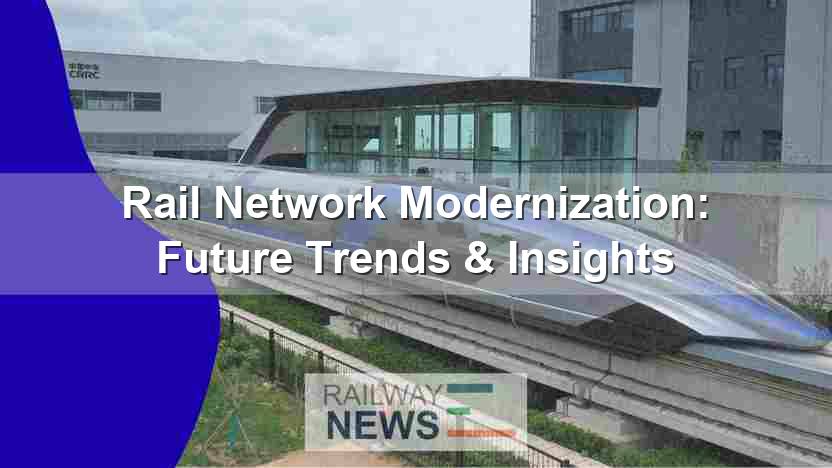
The global rail industry is undergoing a period of significant transformation, driven by the need for improved efficiency, sustainability, and passenger experience. This article explores the crucial aspects of rail network modernization, examining the technological advancements, economic considerations, and societal benefits that shape the future of railway systems. We will explore how modernizing existing infrastructure and incorporating innovative technologies can lead to more resilient, efficient, and attractive rail networks. The increasing demand for reliable and sustainable transportation solutions underscores the importance of investing in robust rail networks, and this evolution requires thoughtful planning, strategic investments, and a proactive approach to address challenges and opportunities across the various facets of the industry. From enhanced safety protocols to the adoption of intelligent transportation systems (ITS), the modernization of rail networks is not simply a matter of upgrading infrastructure, but a pivotal step toward creating integrated, intelligent, and sustainable transportation systems.
The Technological Leap Forward
The adoption of cutting-edge technologies, such as advanced signaling systems (e.g., CBTC – Communication-Based Train Control), precision train control, and automation, is revolutionizing railway operations. These systems enhance safety by minimizing human error and improving responsiveness to changing conditions. Additionally, they optimize train schedules, leading to reduced delays and increased passenger throughput. Integration with real-time data analytics allows for dynamic route adjustments and predictive maintenance strategies, reducing downtime and improving the overall reliability of the rail network. The use of data analytics allows for greater precision in managing resources and planning for future demands, which is critical in ensuring the network’s long-term viability.
Economic Drivers and Infrastructure Upgrades
Investing in rail network modernization is not just about technological advancements; it’s a critical economic driver. Enhanced capacity and reduced congestion result in significant cost savings for businesses and individuals. The increased efficiency of a well-maintained rail network reduces operational costs, leading to lower ticket prices and attracting more passengers. These factors stimulate economic activity in surrounding areas, creating jobs and boosting the overall economic prosperity of communities served by the rail system. These investments represent a strategic move that fosters both economic growth and greater environmental sustainability. Modernizing infrastructure also extends the lifespan of existing assets, lowering the long-term maintenance costs.
The Societal Impact and Future Trends
Rail network modernization fosters significant societal benefits, including improved accessibility, enhanced safety, and environmental sustainability. Modern rail systems offer faster, more reliable, and comfortable transportation options, particularly for commuters, enhancing the overall quality of life. Integration with public transportation networks allows for a more detailed multimodal transportation solution, catering to a wider range of travel needs. Additionally, the emphasis on electrification and the adoption of alternative energy sources, where applicable, contributes significantly to reducing carbon emissions and promoting environmentally friendly transportation. The focus on incorporating intelligent transportation systems (ITS) means real-time information for travelers, promoting a more reliable and intuitive passenger experience.
Conclusions: Charting the Course for a Modern Rail Network
The imperative for rail network modernization is undeniable. Technological advancements, coupled with strategic infrastructure upgrades, present a unique opportunity to create more efficient, resilient, and sustainable transportation systems. Improved safety protocols, optimized schedules, and streamlined operations enhance passenger experience, leading to increased ridership and economic growth. The societal benefits extend beyond enhanced transportation, encompassing improved accessibility, environmental sustainability, and a heightened quality of life. Addressing the various considerations outlined in this article – from technological integration to economic feasibility to societal impact – is crucial for shaping the future of rail transport.
Modernization efforts are essential in responding to the evolving needs of communities and individuals, leading to a more robust and integrated rail system. This multifaceted approach recognizes the significance of not only improving infrastructure but also incorporating cutting-edge technologies, enhancing passenger experience, and promoting environmental sustainability. These investments will ensure that rail systems remain a vital component of modern transportation infrastructure, fostering economic growth, and providing essential accessibility solutions. Through strategic investments in rail network modernization, we can secure a future where rail transport serves as a powerful engine for economic development and societal progress.
You might be interested in:
Last April 2019, we published an article about Brisbane’s Cross River Rail project. Click here to read – Brisbane’s Cross River Rail: A $5.4B Transformation

Railway infrastructure, rolling stock and transport technologies specialist focused on global rail industry developments, high-speed rail systems, signaling technologies and freight transportation. Covering railway investments, public transport modernization, rail operations and international mobility projects across Europe, Asia and North America.
RELATED POSTS

October 1, 2026 7:09 am
United States regulators confirmed a September 30 deadline for the...

October 8, 2026 1:15 pm
Alstom secured a €1bn contract to build 13 automated trains,...

October 4, 2026 5:14 pm
Alstom secured a CA$4.7 billion order from VIA Rail Canada...

October 1, 2026 12:13 am
Illinois approved $1.5 billion annually for the Northern Illinois Transit...

October 4, 2026 11:08 pm
Sound Transit confirmed the September 30 opening of Seattle Pinehurst...
October 1, 2026 10:14 am
HS2 installed a 55-metre steel span in Birmingham, completing phase...