
Rail Baltica Lithuania: €165M Substructure Boost
This article delves into the significant progress being made on the Rail Baltica (RB) project in Lithuania, specifically focusing on the substructure development currently underway.
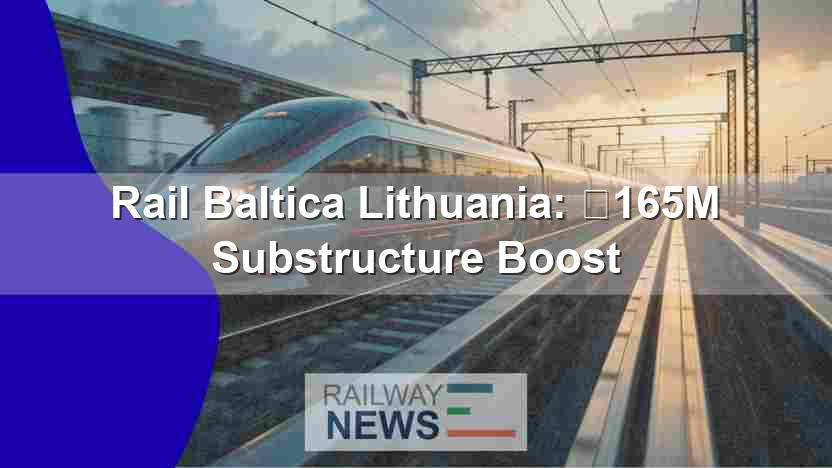
This article focuses into the significant progress being made on the Rail Baltica (RB) project in Lithuania, specifically focusing on the substructure development currently underway. The Rail Baltica project, a crucial European Union (EU) initiative, aims to create a modern, high-speed railway connecting the Baltic States (Estonia, Latvia, and Lithuania) with Poland and the rest of the European rail network. This ambitious undertaking involves extensive infrastructure development, including the construction of new double-track lines, modernized stations, and improved signaling systems. This article will examine the recent contract awards for substructure works in Lithuania, analyzing the scope of the projects, the timeline for completion, and the broader implications for the overall Rail Baltica project. We will also discuss the importance of these substructure works within the larger context of modern railway construction, highlighting the complexities and challenges involved in such large-scale endeavors. Finally, we will explore the potential long-term economic and societal benefits of Rail Baltica for the region.
Lithuanian Substructure Development: A Major Milestone
Lithuanian companies Fegda and Tilsta have secured two substantial contracts from LTG Infra (Lithuanian Railways Infrastructure), the state-owned company responsible for managing and developing the country’s railway infrastructure. These contracts, totaling approximately €165.54 million, encompass the construction of the Rail Baltica substructure and associated engineering works on the crucial Kaunas–Lithuanian-Latvian border section. This section is vital as it represents a significant portion of the Rail Baltica route within Lithuania.
The contracts are divided into two distinct sections: Šveicarija–Žeimiai (€87.88 million) and Žeimiai–Šėta (€77.6 million). The former is expected to be completed within 18 months, while the latter will require 24 months. These timelines underscore the significant scale and complexity of the projects, emphasizing the need for efficient project management and logistical coordination.
Scope of Works: Beyond Tracklaying
The project extends beyond simply laying track. Fegda and Tilsta’s work includes constructing 17.7 kilometers of substructure, encompassing various elements crucial for a high-speed railway’s stability and functionality. This encompasses:
- Land preparation and acquisition
- Installation of robust railway drainage systems to prevent water damage and ensure operational efficiency
- Construction of protective fencing for safety and security
- Development of service roads to facilitate maintenance and access
- Construction of railway bridges and wildlife crossings to minimize environmental impact and ensure safe passage for wildlife
- Installation of noise barrier walls to mitigate noise pollution in surrounding areas
- Reconstruction and upgrades of existing telecommunication and electricity networks to support the new railway infrastructure
- Reconstruction of state and national roads to integrate with the new railway alignment
Project Significance and Challenges
These substructure works are pivotal for the overall Rail Baltica project. They form the foundation upon which the entire railway system will be built. The successful and timely completion of these projects is paramount. However, large-scale infrastructure projects like this inevitably present challenges, including:
- Complex logistics: Coordinating the movement of materials, equipment, and personnel across multiple sites.
- Environmental considerations: Minimizing disruption to the surrounding environment and mitigating potential environmental impacts.
- Stakeholder management: Effectively communicating and collaborating with various stakeholders, including local communities, businesses, and government agencies.
- Resource allocation: Securing and effectively utilizing the necessary financial, human, and material resources.
Conclusions: A Look Ahead at Rail Baltica
The awarding of these significant contracts to Fegda and Tilsta marks a crucial step forward in the development of Rail Baltica in Lithuania. The projects represent a substantial investment in the country’s infrastructure and demonstrate the ongoing commitment to this pan-European railway initiative. The scope of work, extending beyond simple track laying to encompass a detailed range of substructure elements, highlights the complexities and technological sophistication involved in modern railway construction. The successful completion of these projects within the stipulated timelines will be a significant achievement, demonstrating the efficiency and capacity of Lithuanian companies in undertaking large-scale infrastructure projects. Additionally, the careful consideration given to environmental factors, including the construction of wildlife crossings and noise barriers, underlines the commitment to sustainable development. The integration with existing road infrastructure and utility networks underscores the project’s commitment to seamless integration within the existing urban and regional landscape. Beyond the immediate impact, the long-term benefits of Rail Baltica are undeniable. It promises improved connectivity, enhanced regional economic development, reduced transportation times and costs, and a significant contribution to the European Union’s transportation network. The timely completion of these substructure works will serve as a critical foundation for the subsequent stages of the Rail Baltica project in Lithuania and will ultimately contribute to realizing the full potential of this ambitious infrastructure initiative. The ongoing expansion and development will transform Lithuania’s transportation capabilities, connecting the nation to its neighbors and the wider European network, fostering economic growth, and improving quality of life for its citizens. The success of these initial phases sets a positive precedent for the subsequent phases of the project, offering a promising outlook for the future of Rail Baltica.

Transport and railway industry editor covering global rail infrastructure, sustainable mobility, urban transit systems and next-generation railway technologies with a focus on accessible and industry-focused reporting.
RELATED POSTS

October 1, 2026 7:09 am
United States regulators confirmed a September 30 deadline for the...

October 8, 2026 1:15 pm
Alstom secured a €1bn contract to build 13 automated trains,...

October 4, 2026 5:14 pm
Alstom secured a CA$4.7 billion order from VIA Rail Canada...
October 1, 2026 10:14 am
HS2 installed a 55-metre steel span in Birmingham, completing phase...

October 4, 2026 11:08 pm
Sound Transit confirmed the September 30 opening of Seattle Pinehurst...

October 5, 2026 6:12 pm
AECOM and Jacobs secured a contract in September 2026 to...