
Pinsly Railroad: A Short Line Giant Rises
The rebranding of Gulf & Atlantic Railways as Pinsly Railroad Company consolidates six short line railroads under a single, recognizable brand, revitalizing its historical reputation for reliability and leveraging established legacy assets to attract investors and optimize operational efficiency in the North American short line railroad industry.
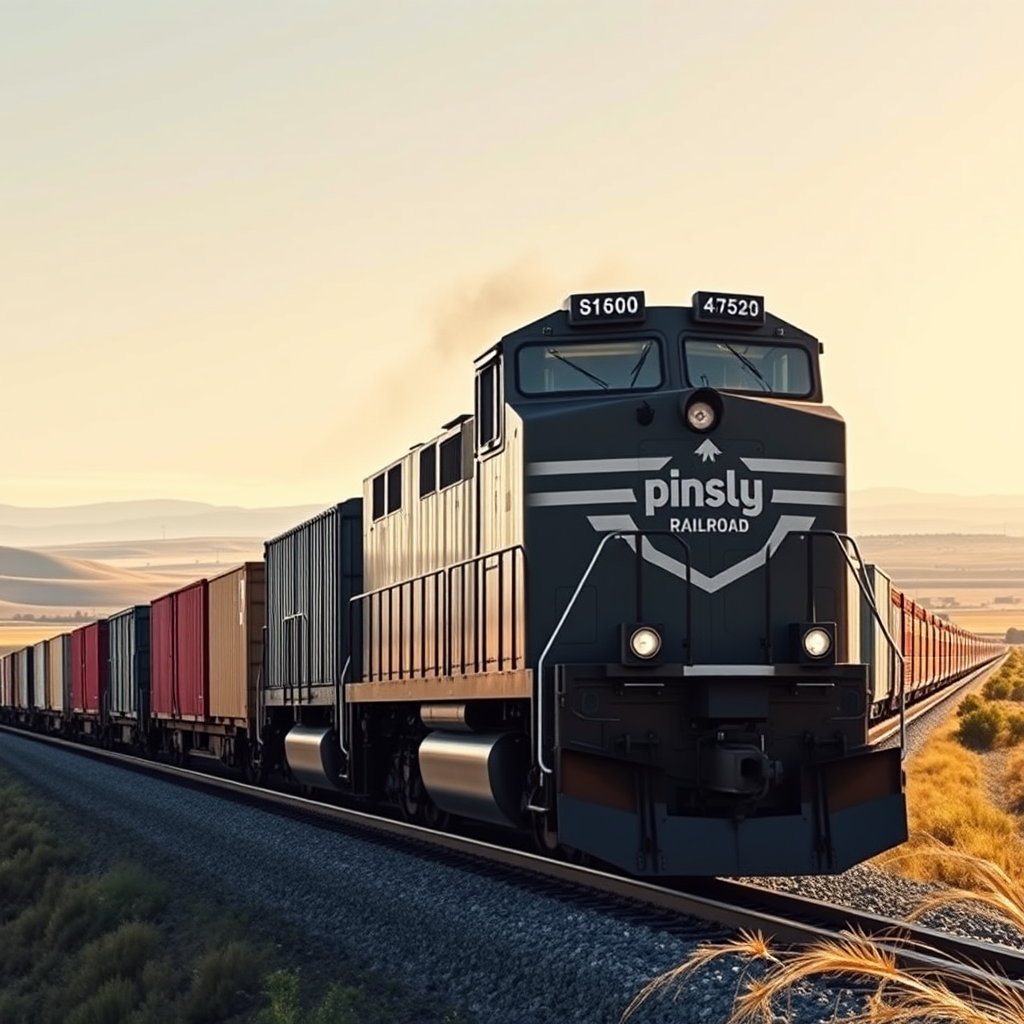
This article explores the recent rebranding of Gulf & Atlantic Railways (G&A) to Pinsly Railroad Company, analyzing the strategic implications of this move within the context of the North American short line railroad industry. The acquisition of Pioneer Valley Railroad in 2023, the final remaining asset of the historic Pinsly Railroad, culminated in the adoption of the Pinsly name, signifying a consolidation of six distinct short line railroads under a single, recognizable brand. This rebranding is not simply a cosmetic change; it represents a significant strategic decision aimed at leveraging the established reputation and legacy of Pinsly, attracting investors, and optimizing operational efficiency. The following sections will delve into the history of Pinsly, the operational aspects of the merger, the strategic advantages of the rebranding, and the future prospects of the newly formed company. We will examine the significance of this consolidation in the broader context of the short line railroad industry, highlighting its potential impact on competition, service provision, and infrastructure development.
A Legacy Rekindled: The History of Pinsly Railroad
Pinsly Railroad boasts a rich history, operating and acquiring various railroads since its inception in 1938. Its long-standing presence within the US short line railroad (SLR) industry established a strong reputation for safety and reliable service. However, a series of divestments in 2014 and 2019 left Pioneer Valley Railroad as its sole remaining asset. This acquisition by G&A marks a significant turning point, revitalizing the Pinsly name and consolidating its historical operational expertise with the broader resources and capabilities of the acquiring company. The decision to adopt the Pinsly name is a testament to the strength of its brand recognition and the potential value derived from associating the newly formed entity with this legacy of reliability.
Operational Integration and Geographic Reach
The newly formed Pinsly Railroad now operates six distinct short line railroads: Pioneer Valley Railroad, Grenada Railroad (Mississippi), Florida Gulf & Atlantic Railroad (Florida Panhandle), Chesapeake and Indiana Railroad, Vermilion Valley Railroad, and Camp Chase Railway (Midwest). This geographically diverse portfolio expands operational reach and provides access to a wider range of freight markets. The integration of these diverse operations presents logistical challenges, including harmonizing operational procedures, maintenance schedules, and safety protocols. Success will hinge on the company’s ability to efficiently manage these diverse assets while maintaining high standards of service and safety across all its lines. This requires robust communication, streamlined processes, and consistent application of best practices across all segments of the newly consolidated operation.
Strategic Advantages of the Rebranding
The rebranding to Pinsly Railroad offers several key strategic advantages. Firstly, it leverages the established reputation and brand recognition of a long-standing player in the industry. This instantly enhances credibility and trust with customers, partners, and investors. Secondly, the consolidation simplifies brand identity, improving marketing and communication efforts. A unified brand allows for more effective coordination of resources and streamlining of operational procedures. Finally, the rebranding underscores the strategic intent of building a larger, more resilient, and competitive short line railroad operation, attracting further investment and expansion opportunities.
Future Prospects and Industry Implications
The future success of Pinsly Railroad will depend on several factors, including its ability to effectively integrate acquired operations, maintain high safety standards, and attract new business. The strategic decision to rebrand under the Pinsly name reflects a long-term commitment to building upon the company’s historical reputation for service and operational excellence. The consolidation of these short line railroads under a single, well-established brand has significant implications for the broader short line rail industry. It highlights a trend towards consolidation, suggesting that larger, more integrated operations are becoming increasingly important for competitiveness and survival in the industry. This could lead to increased efficiency, improved service offerings, and enhanced capacity for handling freight volumes. However, it also raises concerns about competition, particularly for smaller, independent operators. The success of Pinsly Railroad’s strategy will serve as a case study for other companies considering similar consolidation efforts within the dynamic landscape of the North American short line railroad market.

Railway infrastructure, rolling stock and transport technologies specialist focused on global rail industry developments, high-speed rail systems, signaling technologies and freight transportation. Covering railway investments, public transport modernization, rail operations and international mobility projects across Europe, Asia and North America.
RELATED POSTS

October 8, 2026 1:15 pm
Alstom secured a €1bn contract to build 13 automated trains,...

October 1, 2026 7:09 am
United States regulators confirmed a September 30 deadline for the...

October 4, 2026 5:14 pm
Alstom secured a CA$4.7 billion order from VIA Rail Canada...

October 8, 2026 12:18 pm
Siemens Mobility signed an agreement with VinSpeed to supply 350...

October 5, 2026 6:12 pm
AECOM and Jacobs secured a contract in September 2026 to...

October 4, 2026 11:08 pm
Sound Transit confirmed the September 30 opening of Seattle Pinehurst...