
Parramatta ISD: Sydney Metro’s Rail Infrastructure Transformation
Sydney’s Parramatta gets transit-oriented development approval, boosting public transport & economic growth. Integrated station development, featuring new metro line & buildings, planned.
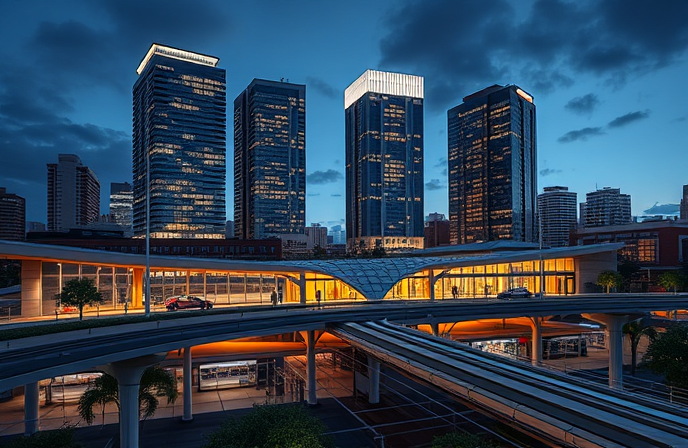
Parramatta Set for Transit-Oriented Transformation with Integrated Station Development
A major urban renewal project centered around Sydney’s forthcoming metro line has received planning approval, signaling a significant boost for public transport and economic development in Parramatta, a key hub in Sydney’s western suburbs. This Integrated Station Development (ISD) represents a paradigm shift in urban planning, placing “fast and reliable” metro services at its core. The project, which includes four new buildings atop the future Parramatta metro station, will encompass residential, commercial, retail, and community spaces, promising a vibrant, mixed-use precinct. The development is slated to integrate seamlessly with the existing transport network, providing convenient access to Parramatta Station, bus services, and light rail stops. The announcement of the planning approval, from Sydney Metro, sets the stage for the selection of a development partner in 2026. This article will delve into the specifics of this ambitious project, exploring its features, the competitive landscape, and the anticipated impact on Sydney’s rail network.
The Heart of the Development: The Integrated Station
The ISD is centered around the design and construction of the new Parramatta metro station. This includes not only the underground infrastructure but also the above-ground precinct and the four new buildings. This development, which will be constructed above and adjacent to the station, is a key aspect of the Parramatta metro line. The emphasis on seamless integration with the existing transport network is a key element in encouraging public transport usage and decreasing reliance on private vehicles. The ISD will provide direct access to various transport modes, which highlights Sydney Metro’s commitment to a future-proof transport network. The project’s integrated design aims to minimize disruption and maximize convenience for commuters and residents.
Competitive Landscape: Shortlisted Consortia
Two leading consortia have been shortlisted for the project, each bringing significant expertise in construction, development, and railway infrastructure to the table. Gamuda Engineering Pty Ltd, in partnership with Billbergia Pty Ltd, Gamuda (Australia) Pty Ltd, and MTR Corporation (Australia), is one contender. MTR Corporation (Australia) is a key partner, given its extensive global experience in operating metro systems. The second consortium consists of Lendlease Construction and Lendlease Development, both established players in the Australian property and infrastructure markets. The award is expected in 2026.
A Phased Approach: From Concept to Completion
The approval granted pertains to the Concept State Significant Development Application (SSDA). This means the initial phase is complete. The next step involves further detailed SSDAs, to be prepared by the future development partner. These subsequent applications will provide specific guidelines for the final design and detailed plans for the buildings. Stakeholders and the community will be consulted throughout this process, enabling feedback and allowing for fine-tuning. This phased approach to planning and execution enables flexibility and ensures the project responds to evolving needs and community aspirations.
Conclusion
The Parramatta ISD represents a bold vision for transit-oriented development, demonstrating the potential of railway infrastructure to act as a catalyst for urban renewal. The project, by its very nature, is multifaceted, bringing together various elements to generate an integrated, modern hub for Sydney’s residents. The emphasis on creating “fast and reliable” metro services will likely enhance the appeal of the public transportation network for both commuters and businesses. This new station precinct is set to become a landmark for urban planning in Sydney, which could lead to significant long-term benefits. The ISD will provide a blueprint for future rail projects across the region, promoting sustainability and community well-being. Its success hinges on the seamless integration of transportation, commercial, and residential components, creating a vibrant and interconnected hub in the heart of Parramatta. The evolution of the SSDA will be key in shaping the precinct’s final form, reflecting the input from both stakeholders and the public. The project’s impact on property values, employment, and overall economic activity is likely to be substantial, heralding a new era of growth for the western Sydney region and signaling a strong endorsement of the critical role public transportation will play in that future.

Railway infrastructure, rolling stock and transport technologies specialist focused on global rail industry developments, high-speed rail systems, signaling technologies and freight transportation. Covering railway investments, public transport modernization, rail operations and international mobility projects across Europe, Asia and North America.
RELATED POSTS

October 8, 2026 1:15 pm
Alstom secured a €1bn contract to build 13 automated trains,...

October 1, 2026 7:09 am
United States regulators confirmed a September 30 deadline for the...

October 4, 2026 5:14 pm
Alstom secured a CA$4.7 billion order from VIA Rail Canada...

October 1, 2026 12:13 am
Illinois approved $1.5 billion annually for the Northern Illinois Transit...

October 5, 2026 1:13 pm
New York MTA confirmed a late 2026 DEIS release for...

October 1, 2026 6:10 am
Amtrak approved a System Expansion Committee on July 30 to...